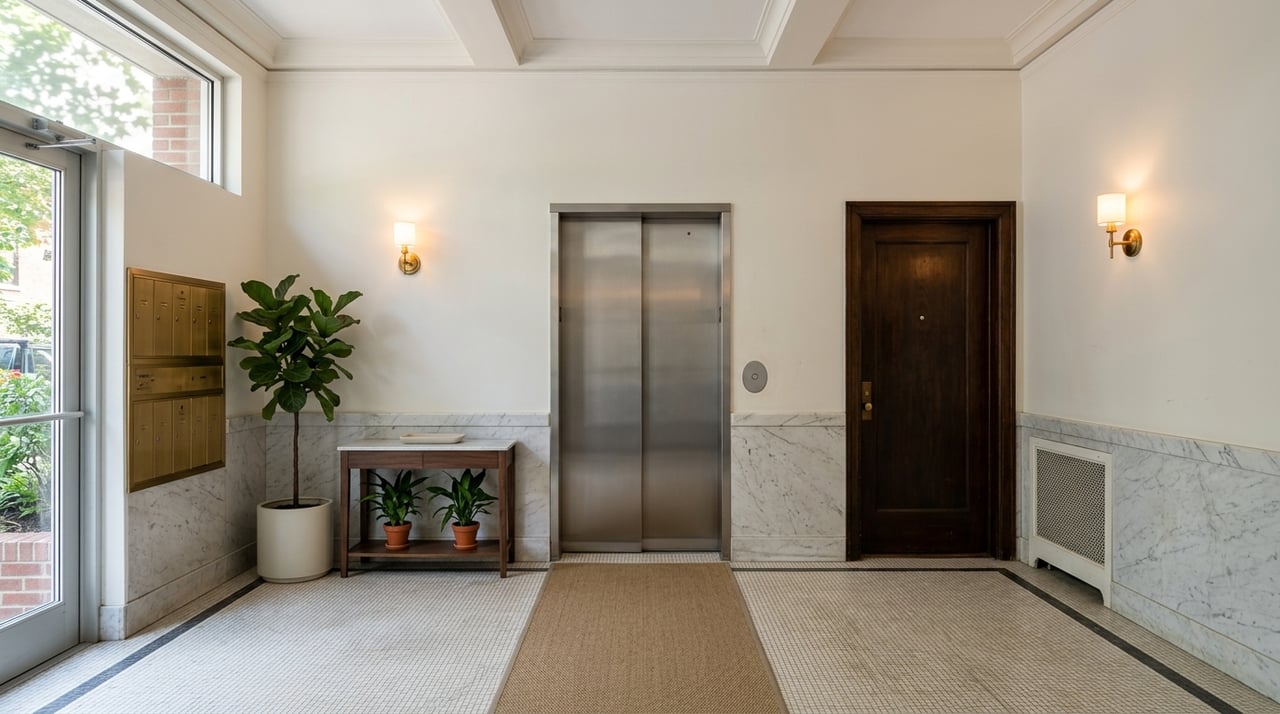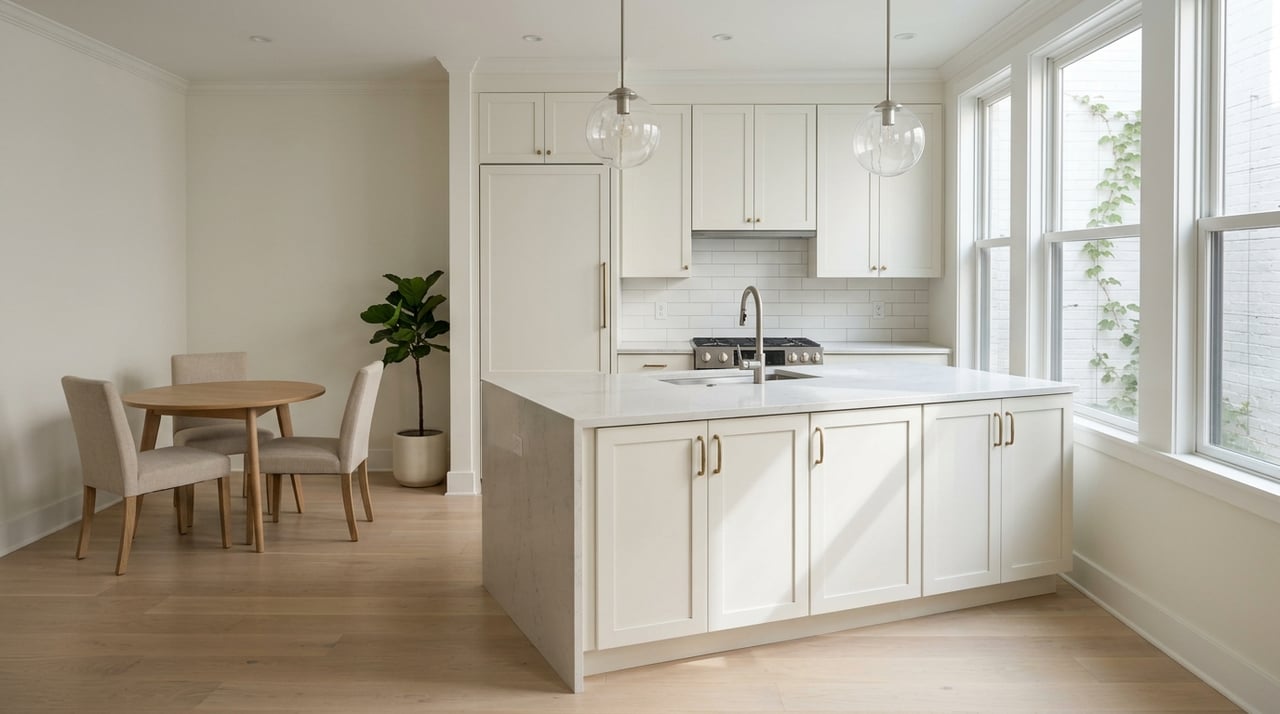
If you know a Dupont Circle condo sale is coming, waiting until the last minute can cost you time, leverage, and buyer interest. In a neighborhood where buyers can compare many similar units, small details like lighting, storage, and condition can shape how your home is perceived from the first photo onward. The good news is that a few months of smart preparation can make the process far smoother and more strategic. Let’s dive in.
Why prep time matters in Dupont Circle
Dupont Circle remains a highly desirable, transit-oriented condo market, but it is not a market where every listing sells instantly just because of the address. Current snapshots point to a price-sensitive environment where buyers have options and tend to compare units carefully on condition, layout, and presentation.
Recent market data shows mixed but consistent signals. Redfin reports a median sale price of $539,818 in the neighborhood over the last three months and average time to sell of about 50.5 days, while Realtor.com describes the market as balanced to warm, with a 99% sale-to-list ratio, 37 median days on market, and 125 active listings. Bright MLS also shows active condo inventory across the broader DC metro, which supports the same takeaway: preparation and pricing matter.
What buyers often notice first
In a Dupont Circle condo, buyers often focus less on outdoor features and more on how the unit lives day to day. Redfin gives the area a Walk Score of 98 and notes access to Dupont Circle Metro, which helps explain why interior function tends to carry so much weight.
That means your photos, showings, and first impressions need to answer practical questions quickly. Does the space feel bright? Is there enough storage? Does the layout flow well? Does the condo feel move-in ready, or does it create a mental to-do list for the buyer?
Why a six-month runway helps
If you can start preparing about six months before you want to list, you give yourself room to make better decisions. You can handle repairs without rushing, request condo documents early, and line up photography and marketing before the seasonal spring window.
Realtor.com’s 2026 research points to mid-April as the strongest national listing week and notes that spring, roughly April through June, remains the broad high-activity selling season. That does not make spring the only time to list, but it does support using the months before it to get your condo fully ready.
A practical prep timeline
Six months out
Start with the big-picture logistics. Confirm whether the unit will be sold vacant, owner-occupied, or tenant-occupied, and begin requesting association materials.
This is also the time to walk through the condo with a critical eye. Make a list of deferred maintenance, cosmetic issues, storage problems, and any updates you have been postponing.
Four to five months out
Next, decide what is worth fixing and what is not. In most cases, targeted improvements make more sense than a major remodel right before listing.
Focus on projects that improve how the condo looks, feels, and photographs. That often means paint, lighting, closet organization, and selective kitchen or bathroom touch-ups.
Two to three months out
This is the ideal window to complete work inside the unit. Once repairs and updates are done, you can begin deep decluttering and think about light staging or styling.
Try to remove visual noise from every room. Buyers should be able to understand the purpose and scale of the space within seconds.
One month out
At this stage, the condo should be close to show-ready. Finalize disclosures, confirm association paperwork, and prepare for professional photography and pricing strategy.
This is also when details matter most. Fresh bulbs, clean windows, organized closets, and polished surfaces can have an outsized impact on photos and in-person showings.
Which updates are usually worth doing
The strongest presale improvements are often the least flashy. According to NAR’s 2025 Remodeling Impact Report, projects with strong cost-recovery logic include closet renovation at 83%, minor kitchen upgrades at 60%, and bathroom renovation at 50%.
For most Dupont Circle condo sellers, that supports a simple strategy: improve what buyers see and use every day. You do not necessarily need a full renovation to make the condo more marketable.
High-impact updates to consider
- Fresh paint in a light, consistent color palette
- Closet organization or basic closet improvements
- Updated lighting or brighter fixtures
- Matching light bulb color throughout the unit
- Minor kitchen upgrades like hardware, paint, or select fixture updates
- Bathroom touch-ups such as caulking, mirrors, lighting, or vanity refreshes
- Repairs for dripping faucets, squeaky doors, or worn finishes
What usually does not pay off
A large remodel right before listing is not always the best use of money or time. If your kitchen or bath is functional, clean, and presentable, smaller improvements may deliver a better return with less disruption.
That matters even more in a condo market where buyers are comparing multiple homes at once. A polished, well-prepared unit often stands out more than a partially finished or over-customized renovation.
Decluttering and staging still matter
Staging is not just about making a condo look pretty. It helps buyers understand scale, flow, and how they might live in the space.
NAR’s 2025 staging research found that 29% of agents said staging increased the dollar value offered by 1% to 10%, while 49% said staging reduced time on market. The same research found that 83% of buyers’ agents said staging makes it easier for buyers to envision the property as their future home.
The condo-specific staging priorities
In a Dupont Circle condo, focus on the elements that make compact or urban spaces feel easier to live in:
- Clear walking paths and room flow
- Bright, even lighting
- Minimal surfaces and edited décor
- Organized closets and storage areas
- Furniture scaled to the room size
- Open blinds to maximize natural light
More than half of sellers’ agents in NAR’s staging research said they recommend decluttering or correcting property faults rather than staging every home the same way. That is a helpful reminder that your goal is not perfection. Your goal is to remove distractions.
Fix small problems before buyers see them
Small defects can create bigger doubts than you might expect. NAR’s staging guidance notes that items like dripping faucets, creaky floors, and poor lighting add to a buyer’s mental checklist.
In a condo, where buyers are often paying close attention to efficiency and upkeep, that checklist can build quickly. If a buyer sees several small issues, they may start to wonder what larger maintenance items they are missing.
Easy fixes with strong payoff
- Replace burnt-out bulbs
- Use consistent bulb temperature throughout the home
- Tighten loose hardware
- Repair dripping faucets
- Touch up scuffed paint
- Reduce crowded shelving
- Clean grout and caulk lines
- Address squeaks or sticking doors if possible
Start condo documents early
In DC, condo paperwork should not be an afterthought. Under D.C. Code § 42-1904.11, a seller of a resale condo unit must obtain condominium instruments and a certificate from the unit owners’ association and provide them to the purchaser by the 10th business day after contract execution.
That certificate can include information about reserves, capital expenditures, financial statements, pending suits, insurance coverage, alterations, and other key association details. If documents are not delivered on time, the buyer may have cancellation rights.
The practical takeaway is simple: request the resale packet well before listing. Doing this early helps avoid stress later and can keep your transaction moving once an offer comes together.
If your condo is tenant-occupied
Tenant-occupied condos usually need more lead time. In DC, once a third-party contract is ratified for a single rented condominium unit, the owner must send the tenant an Offer of Sale and the contract by certified mail and also send or file the same materials with DHCD on the same day.
That means lease timing, tenant communication, and move-out planning can affect your listing calendar. If your Dupont Circle condo is rented, it is wise to map out the timeline months in advance rather than trying to coordinate everything after you accept an offer.
Older Dupont buildings and lead paint rules
If your condo is in housing built before 1978, lead-based paint disclosure rules may apply. Sellers must disclose known lead-based paint hazards, provide the required pamphlet, and allow buyers an opportunity to conduct a lead inspection or risk assessment.
This is especially relevant in older central DC buildings and during prep work that may disturb painted surfaces. If your unit falls into this category, build that into your preparation timeline early.
When to aim for market
Many sellers still benefit from aiming for spring, especially if they can be fully ready by April through June. Realtor.com’s 2026 research suggests that listing activity and buyer attention tend to be strongest during that period, with views cooling later in the year.
Still, timing alone does not sell a condo. In a balanced, comparison-driven market, the better strategy is to launch when your pricing, presentation, and paperwork are ready to support a strong first impression.
The bottom line for Dupont Circle sellers
A successful condo listing usually starts months before the sign-up date. In Dupont Circle, where buyers have choices and often focus closely on interior condition, the best results often come from early planning, selective updates, and polished presentation.
If you are thinking about selling in the coming months, a clear plan can help you decide what to fix, what to skip, when to go live, and how to avoid last-minute surprises. For tailored guidance on timing, prep, and marketing your Dupont Circle condo, schedule a consultation with Maggie Daley.
FAQs
When should you start preparing a Dupont Circle condo to sell?
- If possible, start about six months before your target listing date so you have time for repairs, decluttering, condo documents, photography, and seasonal timing.
Are big renovations worth it before listing a Dupont Circle condo?
- Usually, smaller targeted improvements like paint, lighting, closet updates, and minor kitchen or bath touch-ups make more sense than a full remodel.
Why does staging matter for a Dupont Circle condo sale?
- Staging and decluttering can help buyers understand the space more easily, and NAR research shows staging can support stronger offers and less time on market.
What condo documents do DC sellers need to gather early?
- DC resale condo sellers should request the association resale packet early because required documents and the association certificate must be delivered to the buyer within the legal timeline after contract execution.
What should you know if your Dupont Circle condo has a tenant?
- Tenant-occupied condos can require extra planning because DC notice and Offer of Sale steps may affect your listing and contract timeline.
Does spring matter for listing a Dupont Circle condo?
- Spring is still a strong general window for seller activity and buyer attention, but the best time to list is when your condo is fully prepared and priced well for the market.