If you are selling a Capitol Hill rowhome, the biggest pricing mistake is usually not being too low. It is being just high enough to miss the buyers who would have rushed to see it in the first week. In a neighborhood where architecture, condition, and block-by-block appeal can shift value quickly, smart pricing is less about guessing the ceiling and more about creating momentum. Here’s how Capitol Hill rowhome pricing really works, and what you should pay attention to before your home hits the market.
Capitol Hill pricing is hyper-local
Capitol Hill is not a one-size-fits-all market. Even broad neighborhood numbers can be misleading when you are pricing a specific rowhome.
As of May 2026, Redfin reported a Capitol Hill median sale price of $925,114, 41 median days on market, and a 100.6% sale-to-list ratio. A rowhome-only local dashboard reported a much higher Capitol Hill rowhome median of $1.1 million and 11 days on market over the trailing 12 months ending June 8, 2026. That gap is the point: your pricing strategy should be built around the right peer group, not a headline number.
DCAR’s May 2026 citywide report showed a $740,000 median sold price, 41 average days on market, and a 97.7% sold-to-original-list-price ratio. Those citywide stats are useful for context, but they are not a shortcut for valuing a historic Capitol Hill house. A rowhome on Capitol Hill competes with similar rowhomes, not with every condo and house sold across the city.
Historic housing changes the equation
Capitol Hill sits within one of DC’s core historic districts. The DC Office of Planning says the Capitol Hill Historic District was designated locally in 1973 and listed on the National Register in 1976.
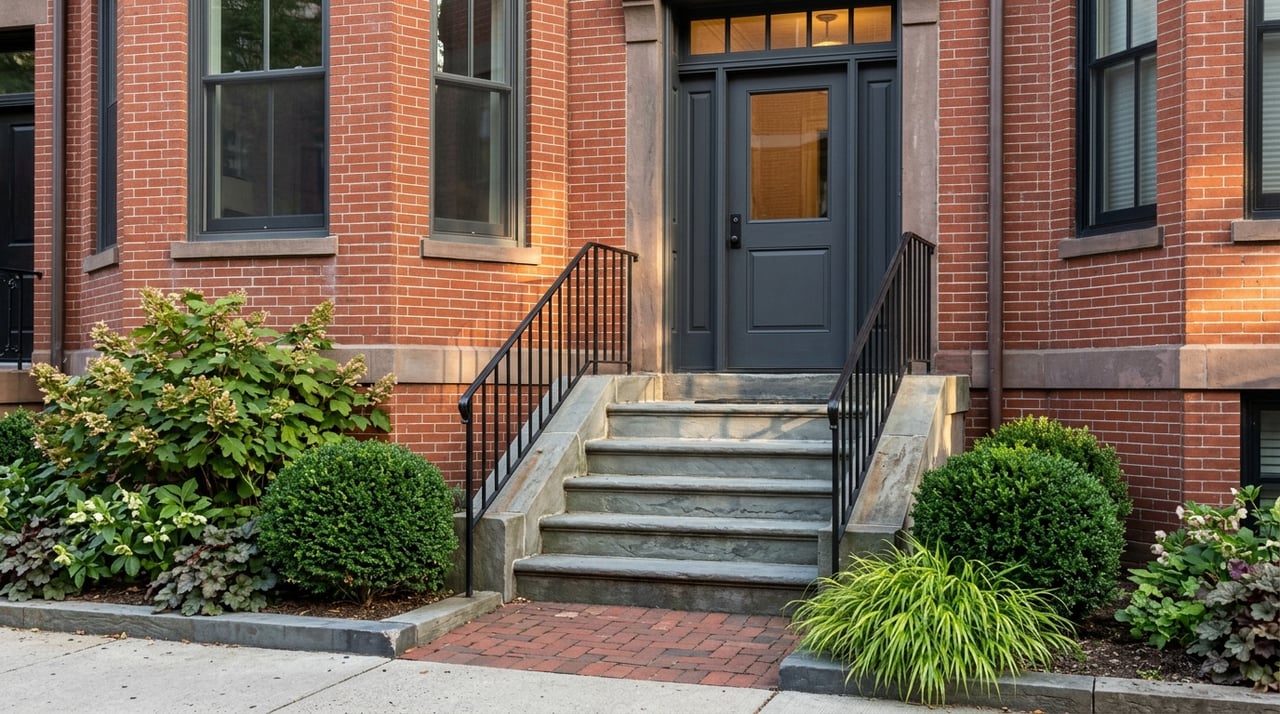
That historic context matters because buyers know they are looking at a limited, hard-to-replicate housing stock. According to CHRS, front-facade changes in rowhouse neighborhoods are typically limited to repair or compatible work, while more substantial additions are more likely to happen at the rear. In plain terms, buyers often place extra value on visible upkeep, thoughtful renovations, and move-in-ready condition because major exterior changes are not always simple later.
The best list price starts with the right comps
A strong list price usually comes from a careful comparison set, not a broad average. That means looking closely at homes that match your property in the ways buyers actually care about.
NAR’s consumer pricing guidance says agents should evaluate size, location, amenities, condition, and current market conditions when recommending a list price. It also notes that a comparative market analysis should include closed, pending, and active listings.
For a Capitol Hill rowhome, that often means narrowing the comp set to homes with similar square footage, layout, lot characteristics, renovation level, and location within the neighborhood. A fully updated rowhome near one commercial corridor may not compete directly with a partly renovated home several blocks away, even if the bedroom count looks similar on paper.
Closed sales show where buyers have been
Closed sales are the clearest proof of what buyers actually paid. They help establish the range the market recently supported for homes like yours.
But closed sales are also backward-looking. If the market is shifting, they can tell only part of the story.
Pending sales show where buyers are going
Pending listings matter because they are often the closest thing to next month’s market. NAR specifically advises watching pending sales closely for that reason.
If similar rowhomes are going under contract quickly, that may support a more assertive pricing strategy. If they are sitting longer or showing signs of resistance, that is a clue to stay disciplined.
Active listings shape buyer comparisons
Your home does not enter the market in a vacuum. Buyers will compare it side by side with the homes they can tour right now.
That means your list price has to make sense not only against past sales, but also against current alternatives. If a nearby active rowhome offers a similar layout with a fresher kitchen or better finished lower level, buyers will notice immediately.
Condition matters more than many sellers think
In Capitol Hill, condition is not just about taste. It is often tied directly to buyer confidence, convenience, and perceived risk.
Because historic-district guidelines can limit or complicate some exterior changes, unfinished projects and deferred maintenance can weigh more heavily here than in a newer subdivision. CHRS notes that preservation rules are meant to retain original features and keep facade changes compatible with the district, with front elevations and corner side elevations receiving the most scrutiny.
That is why buyers may discount a home that “has potential” more than a seller expects. If repairs, cosmetic updates, or exterior work feel complicated, your list price needs to reflect that cost and hassle up front.
Pricing is also about search visibility
Online search behavior plays a real role in pricing strategy. Buyers often search in round-number brackets, and a small pricing difference can affect whether your home appears in those results.
Zillow notes that a home priced at $399,000 will show up under a $400,000 search, while one priced at $405,000 will not. Redfin’s pricing psychology research also found that buyers commonly search in round-number ranges, and its Washington, D.C. analysis found that homes priced just below those thresholds sold for an average $422.93 premium, while homes priced just above tended to sell below list on average.
For Capitol Hill rowhomes, this tends to matter most near seven-figure cutoffs. A price like $999,000 instead of $1,000,000, or $1,249,000 instead of $1,250,000, may help capture more search visibility and align better with buyer mental budgets. It is not a gimmick for every listing, but when a home sits near a search threshold, it can be a meaningful decision.
The first two weeks matter most
A new listing gets its strongest burst of attention early. That is when your pricing strategy is tested in real time.
NAR suggests that pricing competitively at the outset may mean being 3% to 5% below the most recent sale or recent pending sales in some situations. It also suggests testing the market for about two weeks before deciding whether a reduction is needed.
That does not mean every Capitol Hill seller should automatically price below the latest comp. It means the best launch strategy depends on your goals, the strength of competing inventory, and how confident buyers are feeling in your price range.
Overpricing usually costs leverage
Many sellers hope to leave room for negotiation by pricing high. In practice, that often weakens the listing instead of protecting it.
Zillow says overpricing can increase days on market and may eventually lead to a lower sale price anyway. NAR also notes that when a home lingers, buyers often interpret that as an opportunity to negotiate on price, terms, or repairs.
Capitol Hill’s current numbers support that caution. Redfin reports that 29.3% of listings in the neighborhood have price drops, even though the market is somewhat competitive and some homes receive multiple offers. In other words, interest exists, but it tends to reward homes that enter the market at a compelling price.
A price reduction is a strategy, not a failure
Sometimes the market gives clear feedback, and the smartest move is to respond quickly. A reduction is not automatically a red flag.
NAR says price reductions are signals, not failures, and that a well-positioned 2% to 5% adjustment can renew attention and generate offers. The key is to act while the listing still feels relevant, not after weeks of fading interest.
If showings are light, online saves are underwhelming, or buyers consistently like the home but hesitate on value, pricing may be the issue. In those cases, a timely correction can improve both visibility and negotiating position.
Offer quality matters too
The highest list price does not always produce the best outcome. A well-priced home may attract stronger offers in more ways than one.
NAR notes that the strength of an offer depends on more than just price. Cash, financing strength, contingencies, and timeline can all matter.
That is why the real goal is not simply to name the highest possible number. It is to create the best mix of visibility, urgency, and offer quality for your specific rowhome.
What a smart Capitol Hill pricing strategy looks like
For most sellers, the most effective pricing plan blends market data with buyer behavior. It is both analytical and practical.
A thoughtful strategy usually includes:
- Comparing your home only to truly similar Capitol Hill rowhomes
- Reviewing closed, pending, and active listings together
- Adjusting for renovation quality, upkeep, and move-in readiness
- Considering whether your price should sit just below a major online search threshold
- Watching the first two weeks closely for real market feedback
- Responding quickly if buyer activity does not match expectations
Bright MLS has described 2026 as a reset year rather than a rebound year, with local conditions and federal-government volatility weighing on the broader DC area. That kind of uncertainty makes precise pricing even more important, especially for upper-price rowhomes where affordability and confidence can shift quickly.
If you are preparing to sell on Capitol Hill, pricing should never be an afterthought. It is one of the most important marketing decisions you will make, and it works best when it is tailored to your block, your house, and today’s buyer behavior.
If you want a pricing strategy built around Capitol Hill experience, professional marketing, and the realities of your exact rowhome, Maggie Daley can help you map out the right approach.
FAQs
How is a Capitol Hill rowhome priced differently from a DC condo?
- A Capitol Hill rowhome should be priced against similar rowhomes with comparable size, condition, layout, and location, not against broad citywide averages that include condos and other property types.
Why do pending sales matter when pricing a Capitol Hill house?
- Pending sales can signal where the market is heading next, which helps you avoid relying only on older closed sales.
Do historic district rules affect Capitol Hill home value?
- Yes. Historic district guidelines can make some exterior changes more limited or more involved, so buyers often place more value on condition, upkeep, and completed improvements.
Should a Capitol Hill seller price just below a round number?
- Sometimes. If your rowhome is close to a major search cutoff like $1,000,000 or $1,250,000, pricing just below that threshold may improve search visibility and buyer response.
What does it mean if a Capitol Hill listing needs a price reduction?
- It usually means the market is signaling that the original price did not match buyer expectations, and a timely adjustment may help renew interest and attract offers.