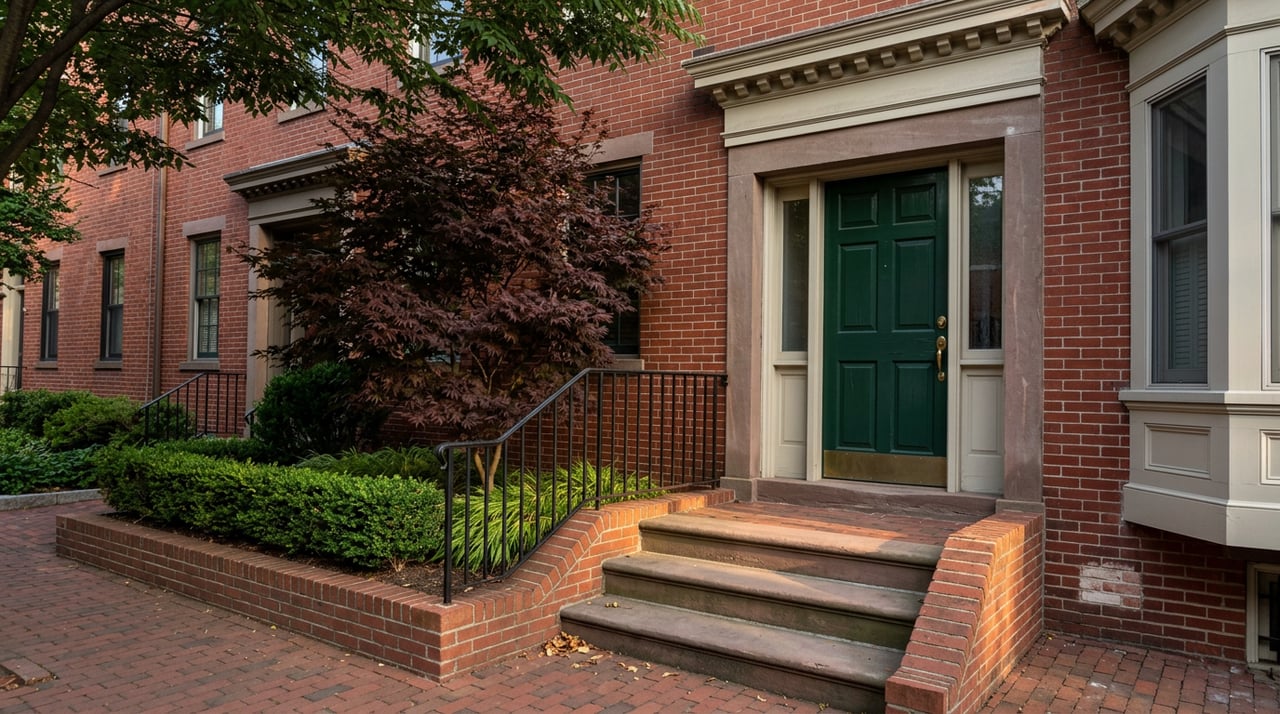
If you own a rowhouse inside the Logan Circle Historic District and you're hoping to finish an exterior renovation before you list this fall, here's the detail your contractor may not have mentioned: the board that has to sign off on that renovation isn't meeting this month at all. The DC Historic Preservation Review Board holds its regular session once a month, and August is the one month it skips entirely. If your project needs a hearing rather than a staff-level sign-off, the earliest it can be heard is September.
That single fact reshapes how a seller should think about pre-listing work in this neighborhood. Most advice about timing a renovation focuses on contractor schedules and listing seasons. In Logan Circle's historic core, the real constraint is a municipal calendar that runs on its own rhythm and has no makeup date for the month you skip.
What Actually Needs the Board's Approval
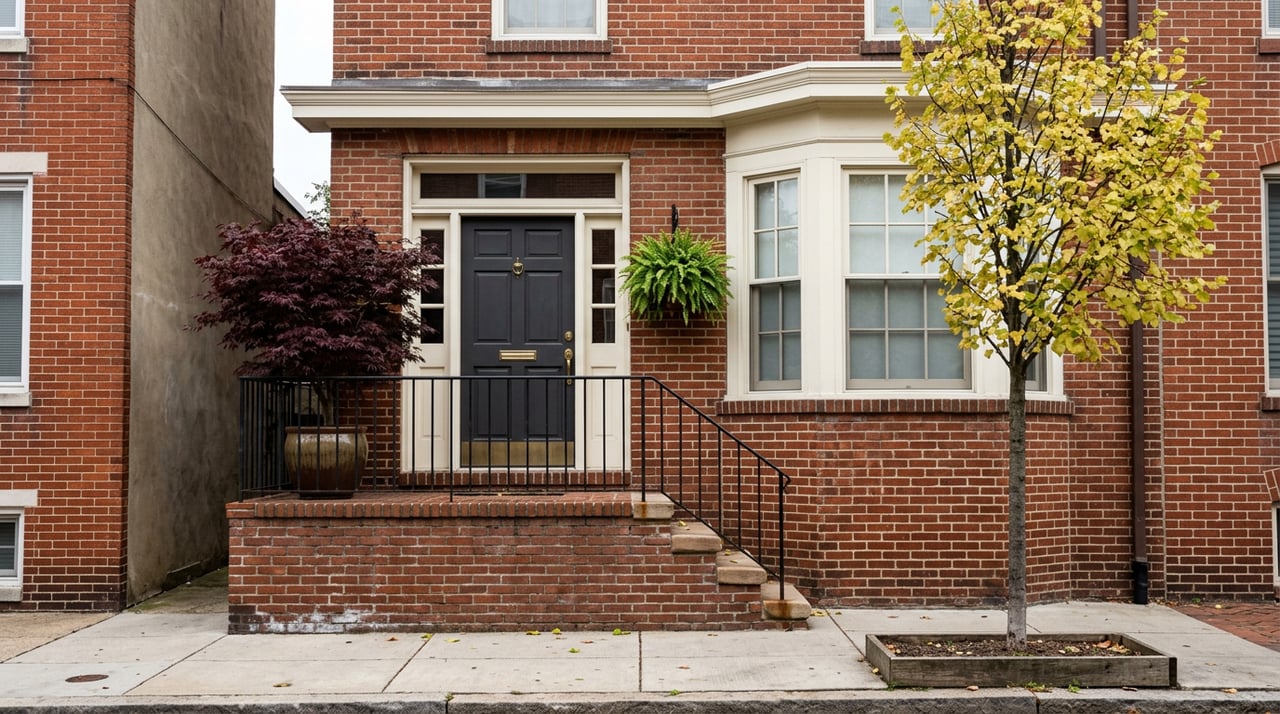
The good news is that most of what makes a Logan Circle rowhouse feel finished for a buyer has nothing to do with the preservation process. HPRB's authority covers what's visible from the street or a public alley: facades, windows, doors, rooflines, masonry, and paint color on brick. It generally does not reach the inside of the house.
Work that typically triggers review:
- Window or door replacement where materials or dimensions change
- Additions, rear ells, or dormers visible from a public right of way
- Roofline changes
- Masonry repointing or repainting brick
- Stoop, stair, or railing modifications
Work that typically doesn't:
- Kitchen and bathroom remodels
- Interior layout changes, including opening up a floor plan
- Basement finishing, as long as it doesn't require exterior excavation or a new areaway
- Electrical, plumbing, and HVAC upgrades
If your pre-listing punch list is entirely interior, you're working on your contractor's calendar, not the board's. It's the exterior items, the ones that often matter most for curb appeal photos, that put a project into HPRB's queue.
Two Historic Districts, One Rowhouse
Part of what makes Logan Circle's process more layered than a single historic district guide would suggest is that the neighborhood actually contains two overlapping districts. Properties near the 14th Street corridor can fall inside both the Logan Circle Historic District, designated in 1972, and the Greater Fourteenth Street Historic District. A rowhouse sitting in that overlap gets measured against two sets of design guidelines rather than one.
A staff report on file for a rear addition proposal at 1310 and 1312 Vermont Avenue NW shows what that looks like in practice. The filing specifically notes the site sits within both the Logan Circle Historic District and the 14th Street Historic District, and the proposal, a new three-story rowhouse above a partially raised English basement with a projecting bay and a rear addition, had to be evaluated against the character of both districts before staff would recommend it move forward. That's the kind of coordination a seller planning a rear addition or bay window restoration should expect if their address falls in the overlap zone, and it's worth confirming which district maps apply to your block before signing a renovation contract.
Why One Missed Deadline Costs a Month, Not a Few Days
Here's where the math gets unforgiving. Because HPRB meets monthly, missing a single submission deadline doesn't cost you a few days of rescheduling. It costs you the entire gap until the next meeting, a minimum of 30 days, and that's before accounting for the August blackout.
Not every project needs a hearing. The Historic Preservation Office clears more than 95 percent of applications through Expedited Review, a staff-level process for work that doesn't affect historic character, such as in-kind repairs with complete documentation. Straightforward cases can also move through a Consent Calendar, which lets HPO staff recommend approval without a full agenda slot. It's the larger or more visible projects, additions, new construction, significant window or door changes, that need Concept Review before the full board, and those are the ones bound to the monthly cycle.
The timeline stacks up like this for a Logan Circle property inside a historic district:
| Project scope | Typical DC permit timeline | Added time for historic district review |
|---|---|---|
| Simple exterior repair (in-kind window or door repair) | 2 to 4 months | Often cleared through Expedited Review, minimal added time |
| Complex project (addition, dormer, new rear ell) | 4 to 6 months | Add 2 to 4 months for HPRB Concept Review and hearing |
A complex project that needs a hearing, then, can realistically run 6 to 10 months from first contractor conversation to a completed, permitted exterior. If that project is meant to happen before a listing goes live, the planning has to start well ahead of the season you're targeting, not the month before.
The Cost of Skipping the Line
Some sellers, facing that timeline, are tempted to just do the work and deal with paperwork later. DC's 2024 Protecting Historic Homes Amendment Act makes that a costly shortcut. Unpermitted alterations in a historic district can carry fines up to $10,000 per violation, and willful demolition or unauthorized alteration starts at $10,000 and can reach $25,000. On top of the fine, the owner has to restore the property to its pre-alteration condition, at their own expense, before any new application can even be filed.
For a seller, the restoration requirement is the real trap. You end up paying to undo the work before you're allowed to redo it correctly, which means the shortcut can cost more time in the end than following the process would have from the start.
Reverse-Engineering a Realistic Listing Date
If you're reading this in August and you're weighing a rear addition, a new bay window, or a stoop rebuild before you list, work backward from the calendar rather than forward from your ideal listing date. HPRB isn't meeting this month. The next opportunity is September, and any project needing a full hearing has to hit that month's filing deadline to have a shot at being heard then. Miss it, and you're looking at the meeting after that.
If your project is more modest, in-kind window repair, masonry cleaning, a door replacement using matching materials, you're likely in Expedited Review territory, which moves on a much faster, staff-driven timeline and isn't tied to the monthly hearing schedule at all. The distinction between those two tracks is often the single biggest variable in whether a pre-listing renovation finishes on time.
Before signing any contract for exterior work on a Logan Circle rowhouse, it's worth a call to the Historic Preservation Office for a preliminary consultation. That conversation determines which track your project falls into, and it costs nothing compared to what a missed monthly deadline, or a stop-work order, would cost you in delay.
A Few Questions Worth Asking Before You Start
Does painting my rowhouse door count as work that needs HPRB approval? Paint color on masonry can fall under review in Logan Circle's historic districts, but repainting a wood door in a historically appropriate color is typically the kind of item HPO clears through Expedited Review rather than a full board hearing. Confirm with HPO before you buy the paint, not after.
Can I finish my basement without triggering HPRB review? Generally yes, since interior work sits outside the board's jurisdiction, which covers what's visible from the public right of way. The exception is if the project requires exterior excavation or a new areaway that would be visible from the street or alley.
What if a previous owner already changed a window without a permit? Under the 2024 Protecting Historic Homes Amendment Act, unpermitted alterations can carry fines up to $10,000, and the property may need to be restored to its prior condition before any new application can proceed. If you inherit this situation as a buyer or uncover it before listing, it's better to get ahead of it with an HPO consultation than to have it surface during a future buyer's due diligence.
Timing a Logan Circle renovation around a municipal meeting schedule isn't the kind of detail most sellers think to ask about, and it's exactly the kind of detail that determines whether your fall listing happens on schedule or slides into next year. If you're weighing a pre-listing project and want to sequence it against the real calendar before you commit to a contractor or a listing date, Maggie Daley can help you map out the timeline that actually applies to your address. Schedule a consultation before you start the work, not after.