Trying to choose between Capitol Hill and Logan Circle for your next DC condo? You are not alone. Both neighborhoods are central, historic, and highly walkable, but they offer different day-to-day rhythms that can shape how your home feels long after closing day. If you are weighing lifestyle, commute, condo inventory, and value, this guide will help you compare the two with more clarity. Let’s dive in.
Start With Daily Life
Logan Circle feels more urban
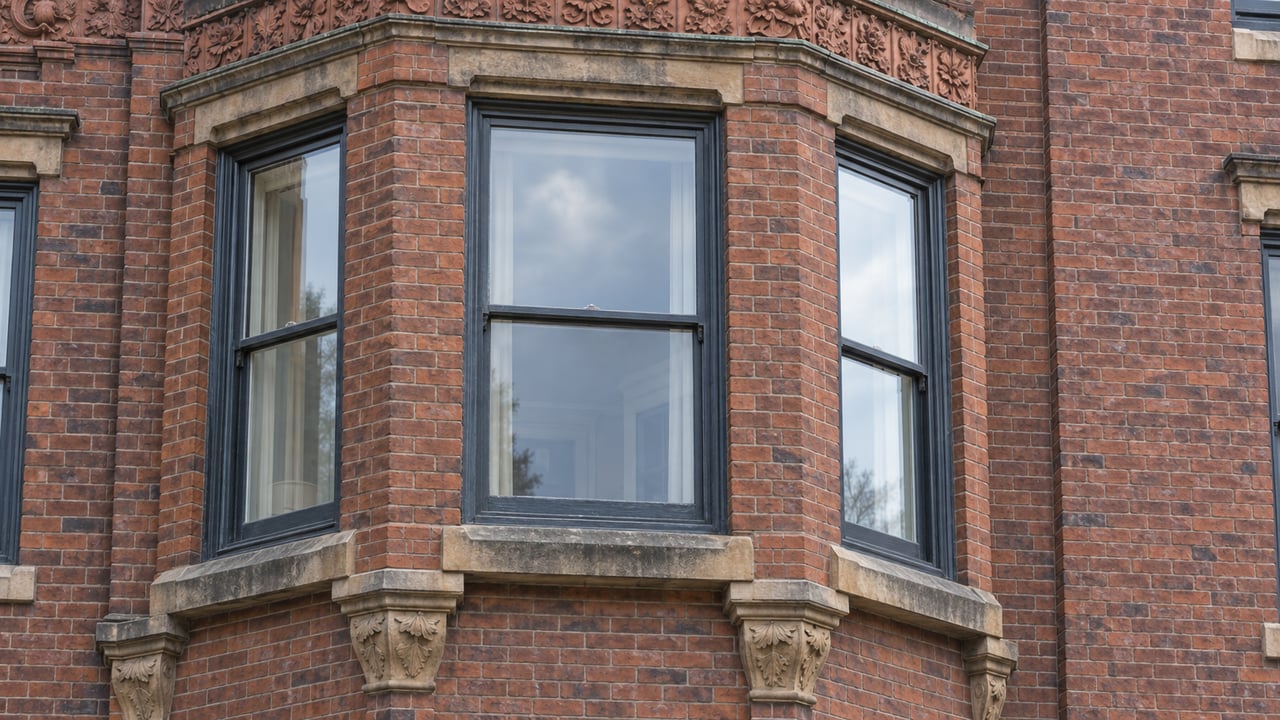
Logan Circle is a compact late-19th-century rowhouse neighborhood organized around the circle itself and the surrounding radial streets. Its historic district dates to 1972, with a period of significance from 1875 to 1900. In practical terms, that gives the area a strong architectural identity and a more concentrated city feel.
For many condo buyers, the biggest draw is the daily routine around 14th Street NW. That corridor acts as the neighborhood’s main commercial spine, so dining, nightlife, and errands tend to feel close at hand. If you want your neighborhood to feel active and connected throughout the day and evening, Logan Circle often checks that box.
Capitol Hill feels more residential
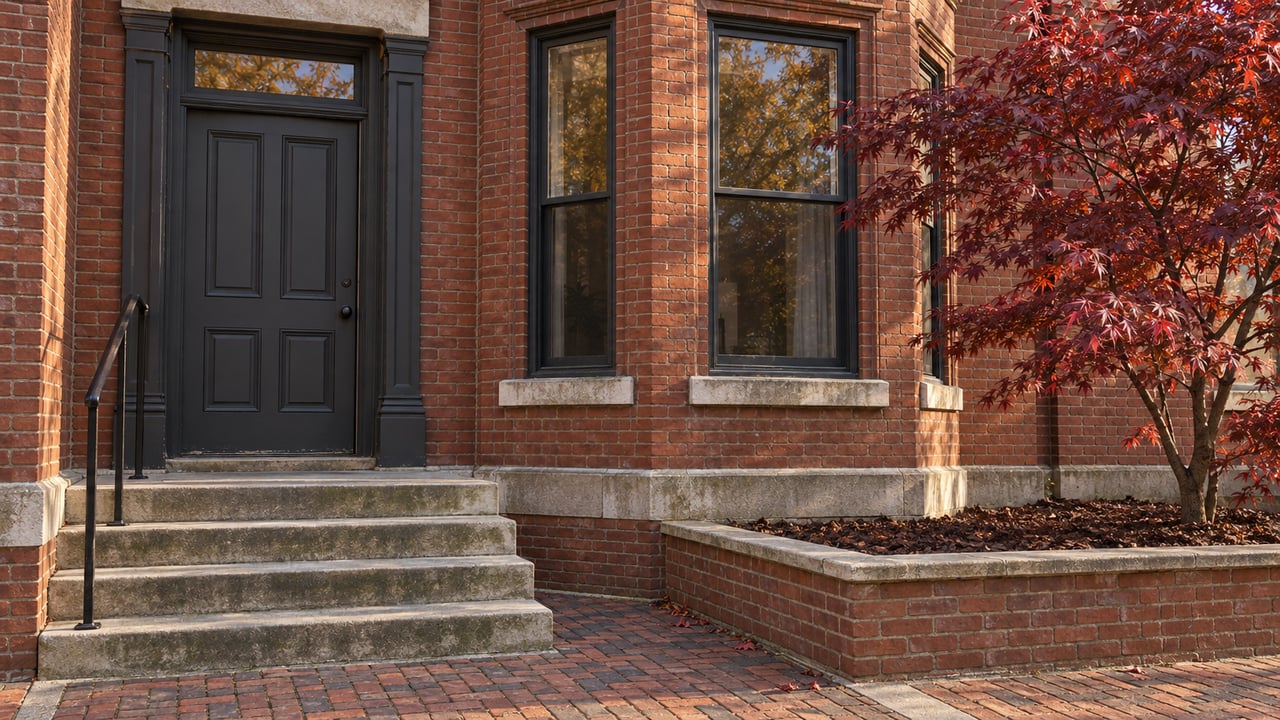
Capitol Hill is larger, older, and more spread out than Logan Circle. Its historic district was designated locally in 1973 and listed on the National Register in 1976, with a period of significance stretching from 1791 to 1945. The neighborhood is known for its long-standing rowhouse fabric, civic landmarks, and neighborhood-serving commercial areas.
Your routine here may center more on places like Eastern Market and Barracks Row than on one single main strip. Barracks Row is described by the Capitol Hill BID as the city’s oldest commercial corridor, and the broader neighborhood includes a mix of residential blocks, civic destinations, and local dining. If you want a condo in a setting that often feels quieter and more residential block to block, Capitol Hill may be the better fit.
Compare the Condo Inventory
Logan Circle leans more condo-oriented
Historically, Logan Circle was built almost entirely of rowhouses, usually 3 to 3.5 stories tall and finished in brick and stone. Over time, many former single-family homes were converted into flats or rooming houses. That history helps explain why today’s inventory often feels especially appealing to condo buyers.
Recent listing patterns support that impression. Buyers commonly see unit-style properties alongside the occasional townhouse, which suggests a housing mix that feels more condo-forward even though the neighborhood’s architectural base is still rowhouse-heavy. If you are hoping for more condo options as you search, Logan Circle may offer a more familiar product mix.
Capitol Hill has condo pockets
Capitol Hill is also full of historic rowhouses, but the condo inventory tends to appear in a different way. Preservation records describe it as a fundamentally residential district with small-scale commercial and institutional buildings mixed into a cohesive rowhouse neighborhood. That creates a setting where condo options often show up as conversions or boutique-style buildings rather than large tower developments.
Current listings reinforce that pattern, with unit-number properties appearing in smaller-format buildings across the neighborhood. For you as a buyer, that can mean condo shopping in Capitol Hill feels more like discovering pockets of opportunity within a rowhouse-centered area. If you like the idea of a condo without giving up a classic Capitol Hill streetscape, that can be a strong advantage.
Transit and Commute Matter
Logan Circle wins on walk and transit scores
If your daily routine depends on walking, biking, Metro, or bus service, Logan Circle has a strong case. The neighborhood is served by the Red Line at Dupont Circle and Green Line stations including U Street/Cardozo, Shaw/Howard University, and Mt. Vernon Square. It also has Metrobus routes 52, 54, and 64, plus the DC Circulator on 14th Street.
The neighborhood’s scores reflect that access. Logan Circle posts a 96 Walk Score, 90 Transit Score, and 95 Bike Score. If you want to rely less on driving and more on a flexible, multimodal routine, Logan Circle stands out.
Capitol Hill shines for regional rail
Capitol Hill is also very well connected, with Eastern Market and Capitol South on the Orange, Silver, and Blue lines, plus Union Station on the Red Line. For some buyers, Union Station is the deciding factor because it adds direct access to Amtrak, MARC, VRE, and Greyhound. That can make a real difference if your work, travel, or family routine extends beyond DC.
Its neighborhood scores remain strong at 88 Walk Score, 78 Transit Score, and 92 Bike Score. While those numbers trail Logan Circle slightly, Capitol Hill can be especially practical if your life connects to the Capitol complex, Eastern Market, or regional rail travel.
Prices Are Closer Than You Might Expect
The gap is small
In March 2026, the median sale price was nearly the same in both neighborhoods. Logan Circle came in at $825,000, while Capitol Hill was $830,000. That means your decision may have less to do with headline price and more to do with what kind of condo and neighborhood experience you want.
Price per square foot was also close, with Logan Circle at $622 and Capitol Hill at $616. That small spread suggests buyers are not choosing between a clearly cheaper and clearly pricier option. Instead, they are choosing between two different lifestyles with fairly similar pricing.
Capitol Hill moved faster
The biggest market difference in this snapshot was pace. Capitol Hill had a median 73 days on market, compared with 93 days in Logan Circle. That does not tell you everything about competition or negotiating power, but it does suggest Capitol Hill moved a bit faster during that period.
For you, this is a reminder to focus on fit, not just averages. A condo that works for your commute, social routine, and preferred building style may matter more than a small pricing difference between neighborhoods.
How to Decide Which Fits You
Choose Logan Circle if you want energy
Logan Circle may be the stronger match if you want a dense, urban routine with easy access to 14th Street dining and nightlife. Its slightly stronger walk, transit, and bike scores support that lifestyle. It also tends to read as a bit more condo- and apartment-oriented in the current market.
That can be especially appealing if you want low-maintenance living in a central location where going out, meeting friends, and running errands can happen mostly on foot. If that sounds like your version of convenience, Logan Circle deserves a close look.
Choose Capitol Hill if you want neighborhood rhythm
Capitol Hill may be the better fit if you want a historic residential setting with daily routines anchored by Eastern Market, Barracks Row, and neighborhood blocks that often feel more rowhouse-centered. Its access to Union Station also gives it a practical edge for regional commuters and regular rail travelers.
You may also prefer Capitol Hill if you want your condo search to include smaller buildings and conversion inventory within a broader historic district. For many buyers, that combination of local rhythm and central access feels like the right balance.
A Simple Side-By-Side View
| Factor | Logan Circle | Capitol Hill |
|---|---|---|
| Neighborhood feel | Compact and urban | Larger and more residential |
| Commercial pattern | 14th Street as main spine | Eastern Market, Barracks Row, and local nodes |
| Condo experience | More condo-oriented feel | Condo pockets in a rowhouse-centered setting |
| Walk Score | 96 | 88 |
| Transit Score | 90 | 78 |
| Bike Score | 95 | 92 |
| Median sale price | $825K | $830K |
| Median price per square foot | $622 | $616 |
| Median days on market | 93 | 73 |
| Strongest lifestyle fit | Urban convenience and nightlife | Residential rhythm and rail access |
The Bottom Line
If you are deciding between Capitol Hill and Logan Circle for your next DC condo, the numbers alone may not settle it. Prices are very close, and both neighborhoods offer strong walkability, central location, and historic character. The real difference is how you want your everyday life to feel.
Logan Circle tends to suit buyers who want a more continuously urban experience and a more condo-oriented search. Capitol Hill tends to suit buyers who want a residential historic district with neighborhood destinations and especially useful rail access through Union Station. If you want help sorting through available inventory, commute tradeoffs, and building styles in each area, Maggie Daley can help you compare your options and schedule a consultation.
FAQs
Which neighborhood is more walkable for condo buyers in DC?
- Logan Circle has the higher Walk Score at 96, compared with Capitol Hill’s 88, so it may appeal more if you want to do most daily errands and outings on foot.
Which neighborhood has better transit access for DC condo living?
- Logan Circle has the higher Transit Score at 90, but Capitol Hill offers direct access to Union Station, which can be especially useful for regional and intercity rail travel.
Are condo prices similar in Capitol Hill and Logan Circle?
- Yes. In March 2026, the median sale price was $825,000 in Logan Circle and $830,000 in Capitol Hill, so pricing was very close.
Does Logan Circle have more condo inventory than Capitol Hill?
- Logan Circle appears to feel more condo-oriented based on its historic pattern of rowhouse conversions and the current listing mix, while Capitol Hill tends to offer condo pockets within a more rowhouse-centered neighborhood.
Is Capitol Hill or Logan Circle better for a buyer who wants historic character?
- Both offer historic character, but Capitol Hill is a larger and older historic district with a broader residential rowhouse setting, while Logan Circle is a more compact late-19th-century district with a denser urban feel.
Which DC neighborhood is better for buyers who travel by train?
- Capitol Hill may be the stronger fit if train access matters because Union Station connects to Amtrak, MARC, VRE, and Greyhound.