Thinking about renting out your Capitol Hill home? It can look simple on paper: strong neighborhood demand, central DC access, and a property with historic charm. But once you move from idea to execution, the details matter fast. If you want to protect your investment, attract qualified renters, and avoid expensive missteps, it helps to understand both the market and DC’s rental rules before you list. Let’s dive in.
Why Capitol Hill Draws Renters
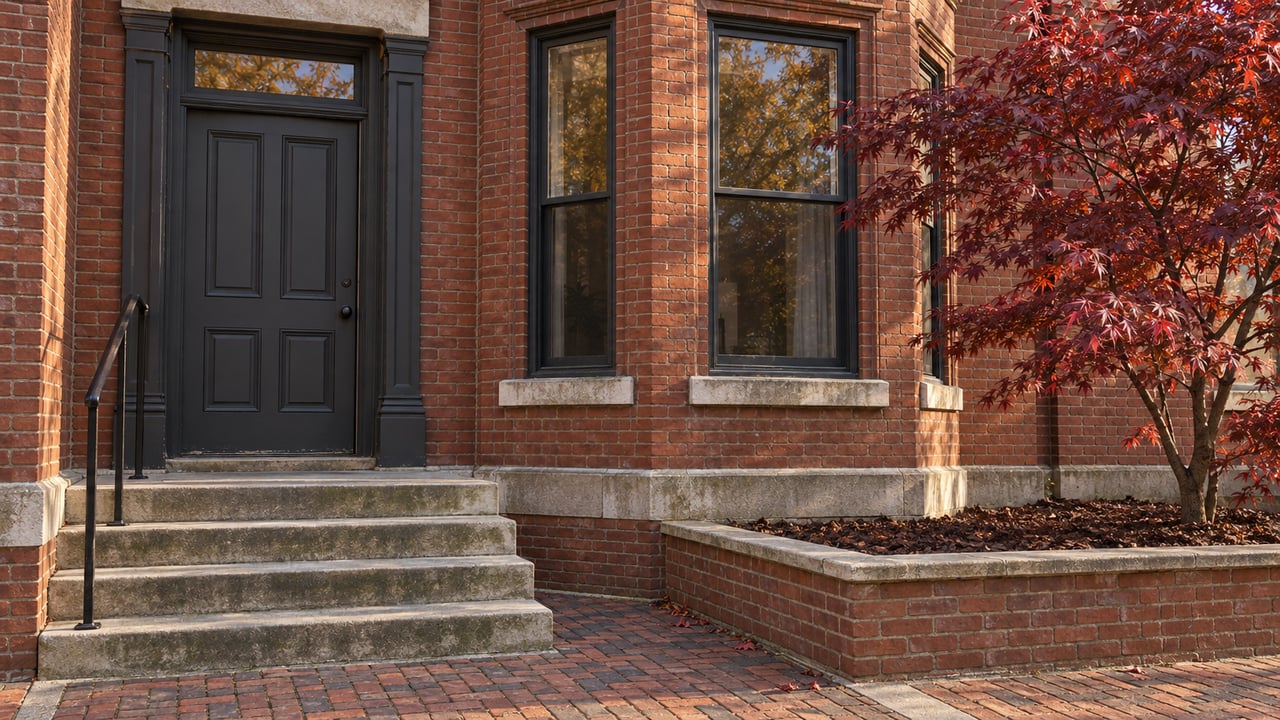
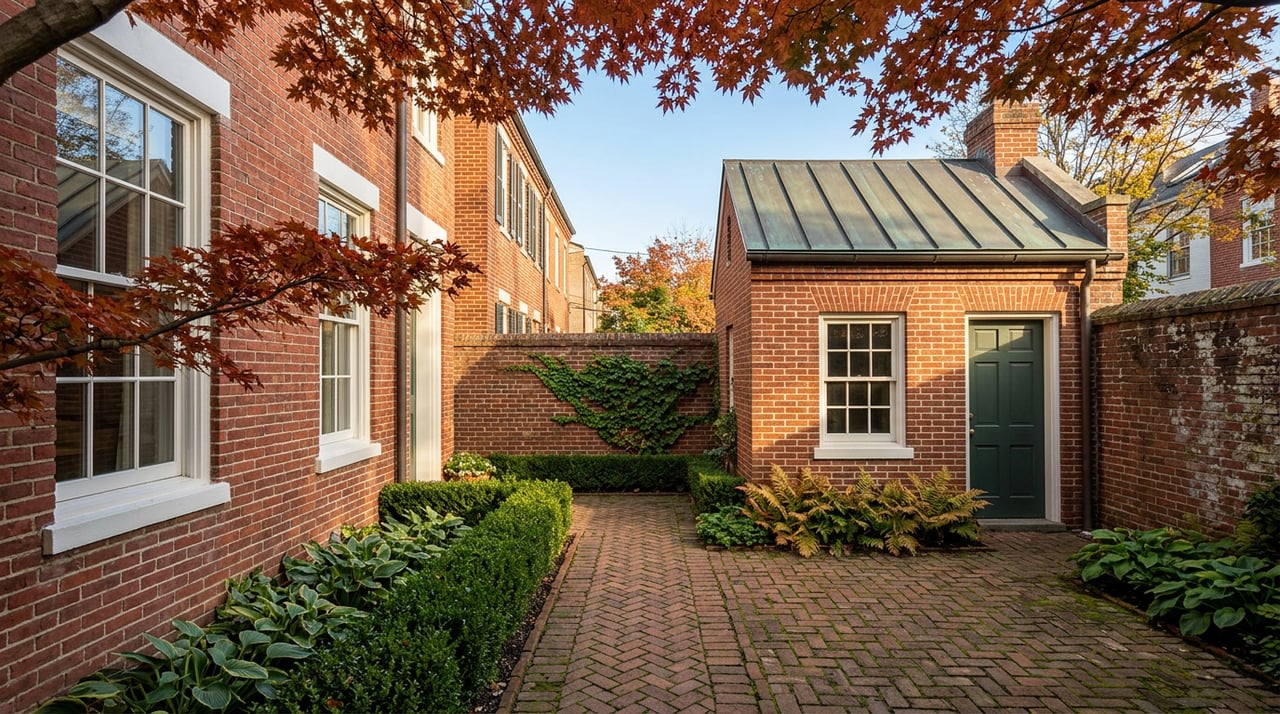
Capitol Hill has a lot working in its favor as a rental location. It is a designated historic district, and the neighborhood stands out for walkability, transit access, and bikeability, according to the DC Office of Planning’s historic districts information. For many renters, that mix of convenience and neighborhood character is a major reason to choose this part of the city.
If you own a rowhouse, townhouse, or condo here, your property’s appeal often goes beyond finishes alone. In Capitol Hill, location, daily convenience, and flexible living space can matter just as much as a renovated kitchen or new bath. That is especially true for renters looking for central DC access and a shorter commute.
Current market signals also support a careful, numbers-first approach. Zillow’s March 2026 report shows the typical asking rent in Washington, DC at $2,331, while Zillow also reports a Capitol Hill median sale price of $897,833 as of February 2026. For a small investor, that means rental demand may be solid, but the property still has to make sense when you compare likely rent to carrying costs, taxes, maintenance, and improvement budgets.
Start With Rental Readiness
Before you market the property, make sure it is legally and practically ready to rent. In DC, rental housing should be licensed through the Department of Licensing and Consumer Protection, inspected by the Department of Buildings, and registered through the Department of Housing and Community Development’s rent registry system, according to the District’s rental accommodation guide.
If the property has two or more units, a certificate of occupancy is also required. These are not small technicalities. They can affect your timeline, your compliance status, and how confidently you can move forward with leasing.
You should also review the home’s basic condition with a renter’s use in mind. Safety, code compliance, and habitability issues should be addressed before the property is shown. A clean, functional, well-maintained home is easier to market and easier to manage after move-in.
Check Historic District and Lead Rules
Because Capitol Hill is a historic district, exterior work may require preservation review. If you are planning visible repairs or updates before listing the property, it is smart to confirm whether that work needs approval first through the DC historic districts process.
For many Capitol Hill homes, lead-based paint rules also apply. The EPA requires owners of most pre-1978 housing to disclose known lead-based paint hazards and provide the approved lead pamphlet before renting. If your home was built before 1978, this step should be part of your standard lease preparation.
These rules do not mean you should avoid renting an older home. They simply mean older and historic properties need a little more planning at the front end.
Confirm Ownership and Registration Details
Many small investors become landlords after moving out of a former primary residence. If that is your situation, ownership structure and mailing details matter more than you might expect. DHCD instructions say that if your mailing address is outside DC, or if you move out and rent the property, you must appoint a registered agent for service of process in the District, as explained in the RAD Form 1 instructions.
If your property has a co-op or similar special ownership structure, there may be added steps. For example, cooperative-unit owners must attach authorization from the cooperative association permitting rental use. The takeaway is simple: do not assume every Capitol Hill property follows the same checklist.
Understand Rent Control Before Pricing
One of the most important questions in DC is whether your unit is rent-controlled or exempt. According to the Office of the Tenant Advocate’s rent control guidance, residential rental housing is generally covered unless an exemption applies. Common exemptions include buildings built after 1975 and units owned by a natural person who owns no more than four rental units in the District.
There is also an important warning built into the registration process. DC guidance says that if a rental unit is not properly registered, it is treated as rent-stabilized until the provider complies with registration requirements. That alone is a good reason to handle registration early and carefully.
If your property is subject to rent stabilization, annual rent increases are capped. For 2026, the Rental Housing Commission says the cap is 4.1% for most tenants and 2.1% for elderly or disability tenants. If an owner wants to increase rent beyond the standard amount, a formal petition process is required for certain situations such as capital improvements, changed services, hardship, or substantial rehabilitation.
Follow DC Screening and Advertising Rules
Tenant screening in DC requires care. The Office of Human Rights explains that source-of-income discrimination is prohibited, including discrimination against voucher holders. DC also includes additional protected traits beyond federal fair housing law, so your advertising and screening process should be neutral, consistent, and documented.
DC guidance also warns against advertising language that suggests discrimination. That includes voucher exclusions, rigid preference language, or screening standards that appear to shut out applicants unfairly. For small investors, this is an area where using a thoughtful process matters just as much as choosing the right price.
Application fees are capped as well. For calendar year 2026, the Rental Housing Commission states that the maximum rental application fee is $54. Landlords must also disclose screening criteria before taking an application, cannot rely on credit score alone, and must provide adverse-action notices when a denial or conditional approval is based on credit information.
Know the Lease and Deposit Rules
Your lease should be written for DC, not borrowed from another state. The District’s landlord guidance recommends a DC-specific lease and notes that lease expiration alone does not automatically end the tenancy, which can affect your planning around renewals and notice periods.
Security deposit rules are also specific. According to the DC landlord guide from the Rental Housing Commission, a security deposit cannot exceed one month’s rent, must be held in an interest-bearing account, and generally must be returned with interest within 45 days after move-out, subject to lawful deductions.
These requirements shape cash flow, documentation, and move-out procedures. If you are used to owner-occupant transactions, they may feel more detailed than expected.
Plan for Ongoing Management
Renting out one property can still involve a surprising amount of administration. The Rental Housing Commission’s landlord guide recommends considering a licensed property manager because DC rentals involve rent collection, repairs, notices, deposits, compliance, insurance coordination, taxes, and recordkeeping.
That does not mean every small investor needs full-service management. It does mean you should decide early how hands-on you want to be. If you hire help, confirm that the property manager is properly licensed and understands DC rental rules.
DHCD’s RentRegistry system is also worth understanding from the start. It is the central online database for many rental-property filings and stores information such as base rents, services, facilities, unit features, and vacancy status. In practice, that makes it important for both compliance and pricing strategy.
Do Not Overlook Tax Planning
If you are converting an owner-occupied home into a rental, tax treatment can change. The District’s Office of Tax and Revenue says the Homestead benefit ends when the owner moves out, and cancellation should be filed within 30 days of the change in eligibility.
This is an easy issue to miss, especially for accidental landlords who are focused on getting the home lease-ready. But it can affect carrying costs and should be part of your decision-making before the property goes on the market.
Think Ahead If You May Sell Later
Some owners plan to rent for a few years and sell later. If that is your likely path, it is wise to treat tenant-occupied exit planning as its own legal and financial review. The 2025 RENTAL Act FAQ changed several TOPA and Notice of Transfer rules, including formalized notice requirements and new exemption procedures for some transfers.
In other words, leasing now and selling later can be a workable strategy, but it should be planned intentionally. The rules around an occupied property sale are not something you want to figure out at the last minute.
A Smart Small Investor Approach
For most Capitol Hill owners, the best process is not just setting a rent and posting a listing. It is taking a coordinated approach that looks at market demand, likely rent, compliance status, rent control questions, tax changes, and management needs together.
That is where local guidance can make a real difference. A Capitol Hill property has its own facts, and those facts shape whether it should be rented now, improved first, professionally managed, or even sold instead. If you want help thinking through your options, pricing strategy, or next steps for a Capitol Hill rental, connect with Maggie Daley for a consultation.
FAQs
What makes a Capitol Hill home attractive to renters?
- Capitol Hill often appeals to renters because of its historic character, strong walkability, transit access, bikeability, and convenient access to daily amenities.
What must a DC owner do before renting out a Capitol Hill property?
- In general, a DC rental property should be licensed, inspected, and registered through the proper District agencies before leasing, and some properties may also need a certificate of occupancy.
What should owners know about rent control in Capitol Hill, DC?
- Many DC rental units are covered by rent control unless an exemption applies, so owners should confirm exemption status and registration before setting rent strategy.
What are the security deposit rules for a DC rental home?
- A security deposit in DC cannot exceed one month’s rent, must be held in an interest-bearing account, and generally must be returned with interest within 45 days after move-out, minus lawful deductions.
What fair housing rules apply when advertising a Capitol Hill rental?
- DC fair housing rules prohibit discriminatory advertising and screening practices, including discrimination based on source of income, so rental ads and approval criteria should be neutral and compliant.
What tax issue matters when converting a Capitol Hill home into a rental?
- If you move out of an owner-occupied home and convert it to a rental, the District’s Homestead benefit may no longer apply, and that change should be addressed promptly.