Thinking about trading your Dupont condo for a Capitol Hill rowhome? It is a move many Washington buyers consider when they want more space, a different daily rhythm, or a longer-term home base without giving up walkability. If that is your next step, it helps to understand how the budget, timing, and lifestyle shift can play out so you can move with confidence. Let’s dive in.
Why this move feels different
On paper, Dupont Circle and Capitol Hill are both historic DC neighborhoods. In day-to-day life, though, they often feel very different.
According to the DC Office of Planning, the Dupont Circle Historic District developed between 1875 and 1931 and includes rowhouses, embassies, art spaces, restaurants, and nightlife. The area also functions as a local and international destination, which helps explain its fast-paced, central feel.
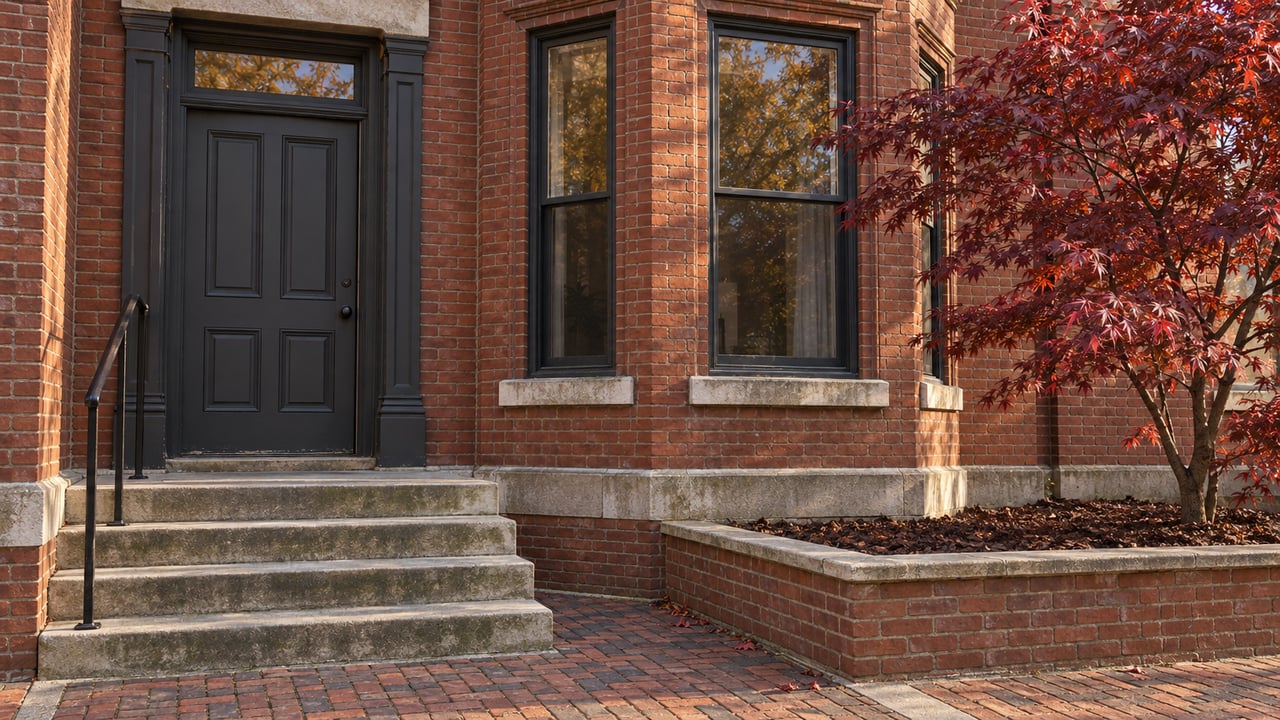
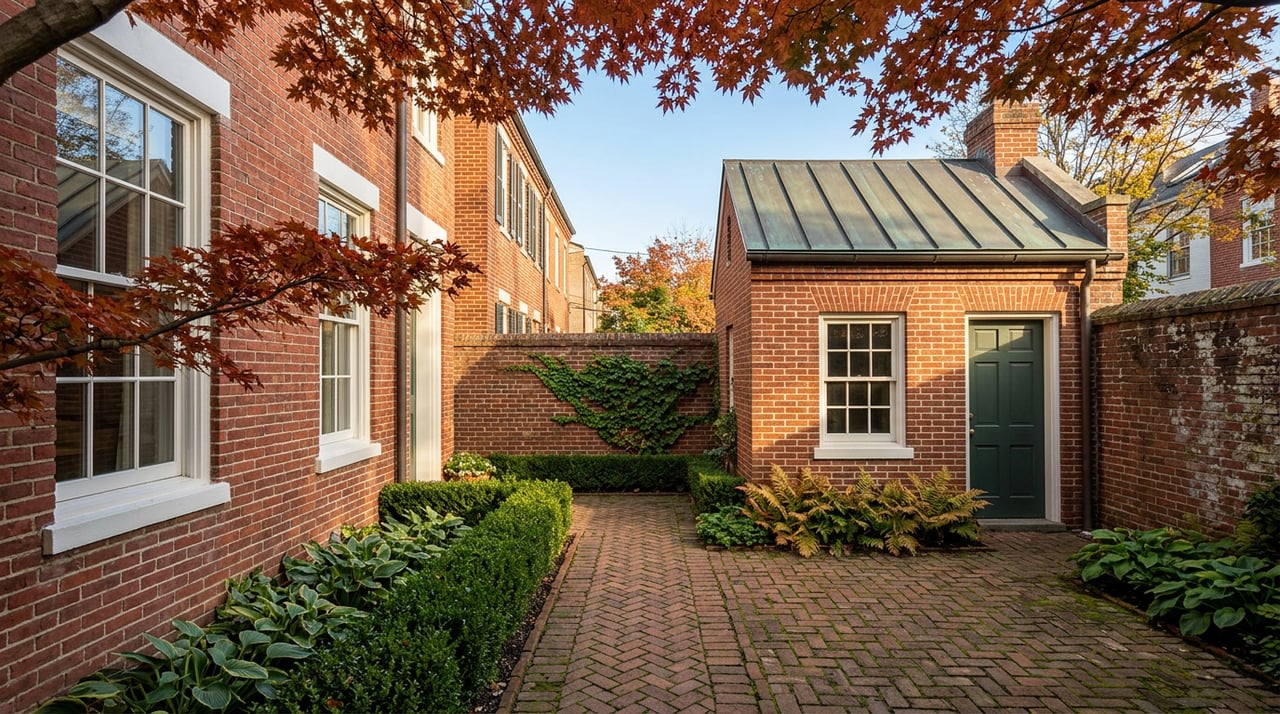
The Capitol Hill Historic District is described by DC as an extensive residential neighborhood east of the Capitol with parks and green spaces. Its historic development created a dense rowhouse neighborhood with a more residential street pattern and a strong block-by-block identity.
That difference often matters more than square footage alone. When you move from Dupont to Capitol Hill, you are not just changing homes. You are usually changing how your days look, where you spend time, and what kind of home base you want.
Capitol Hill lifestyle changes
If you love Dupont, you already know the appeal of being in the middle of everything. The Dupont Circle BID highlights galleries, art walks, embassies, restaurants, and nightlife, all of which reinforce that central, always-on atmosphere.
Capitol Hill tends to offer a different rhythm. Official neighborhood materials point to a residential network of streets, parks, and gathering places, including Eastern Market, which remains DC’s oldest continually operating public fresh food market and a long-standing neighborhood hub.
For many buyers, that translates to a more rooted feel. You may still be in a highly walkable part of the city, but your daily experience often becomes less about living near a destination district and more about living in a neighborhood with familiar blocks, green spaces, and local routines.
Walkability and transit
This is not a move from urban living to suburban living. Both neighborhoods support a car-light lifestyle.
Redfin neighborhood data shows Dupont Circle with a Walk Score of 98, Bike Score of 96, and Transit Score of 87. Capitol Hill comes in at 88 for walkability, 92 for biking, and 78 for transit. In practical terms, both areas are highly navigable without relying heavily on a car, though Dupont is the denser, more transit-saturated environment.
The transit map changes too. WMATA’s Dupont Circle station page confirms Dupont is a Red Line stop, while Capitol Hill buyers often look near Eastern Market or Capitol South, both of which serve the Orange, Blue, and Silver lines. Depending on your commute and routines, that can be a meaningful shift.
Budget realities of moving up
The biggest financial change is usually not a mystery: Capitol Hill rowhomes typically cost more than Dupont condos.
Based on Redfin’s February 2026 neighborhood data, Dupont Circle had a median sale price of $520,000, while Capitol Hill showed a median sale price of $842,000. Because the housing mix is very different, that is not a perfect one-to-one comparison, but it does show the likely direction of the move. For many buyers, the jump is substantial.
That price gap affects more than your mortgage. It also changes your cash needed at closing and your future carrying costs.
DC purchase taxes to plan for
One of the biggest line items buyers overlook is DC’s deed transfer tax and deed recordation tax. According to the DC Office of the Chief Financial Officer, each tax is 1.45% for properties above $400,000.
On an $842,000 Capitol Hill purchase, that combined cost is about $24,418. If you are using proceeds from your condo sale to fund the move, that number needs to be part of your planning from the start.
Property taxes after the move
Your annual ownership costs may rise too. The same DC tax rate page lists the Class 1 residential property tax rate at $0.85 per $100 of assessed value for owner-occupants.
Using the $842,000 example, that implies roughly $7,157 per year before the homestead deduction. With the 2026 homestead deduction of $91,950, that drops to about $6,375 if the property qualifies. If you currently receive the homestead deduction on your condo, you will also want to make sure that benefit is canceled when that home is no longer eligible.
Selling your Dupont condo first
For many move-up buyers, the real challenge is not finding reasons to love Capitol Hill. It is coordinating two transactions without creating unnecessary pressure.
Current market data suggests your condo sale may move a bit more slowly than your rowhome purchase. Redfin’s neighborhood data shows median days on market of 84 in Dupont Circle versus 68 in Capitol Hill.
That does not guarantee your condo will take longer to sell, but it does support a careful sequence. In many cases, getting the condo fully market-ready before actively shopping on the Hill is a smart move.
Why timing matters
The broader metro market offers some helpful context. In June 2025, the Washington metro area had 22.7% more active listings year over year, with a median of 36 days on market. At the same time, 35.7% of homes sold above final list price.
What does that mean for you? Buyers may have somewhat more room to negotiate than during the most frenzied periods, but well-presented homes can still move quickly. That makes preparation especially important on both sides of your move.
A practical move-up plan
When you move from a condo to a rowhome, the decision often feels emotional at first. Then it becomes operational very quickly. A clear plan can make the transition much smoother.
Here are the key issues to work through early:
- Estimate your condo net proceeds. Start with a realistic sale price, then subtract mortgage payoff, closing costs, and any condo-related expenses tied to the sale.
- Add purchase-side cash needs. Include your down payment, DC transfer and recordation taxes, and expected closing costs.
- Review future monthly costs. Your payment may change not only because of price, but also because of property taxes and the differences between condo ownership and rowhome ownership.
- Think through closing logistics. If your condo sells before your next home closes, a rent-back or short-term bridge plan may help reduce stress.
- Get the condo market-ready early. If your current home could take longer to sell than the one you want to buy, preparation buys you flexibility.
The goal is not to predict every detail. It is to give yourself options and avoid making your Capitol Hill purchase search depend on rushed decisions.
What many buyers are really buying
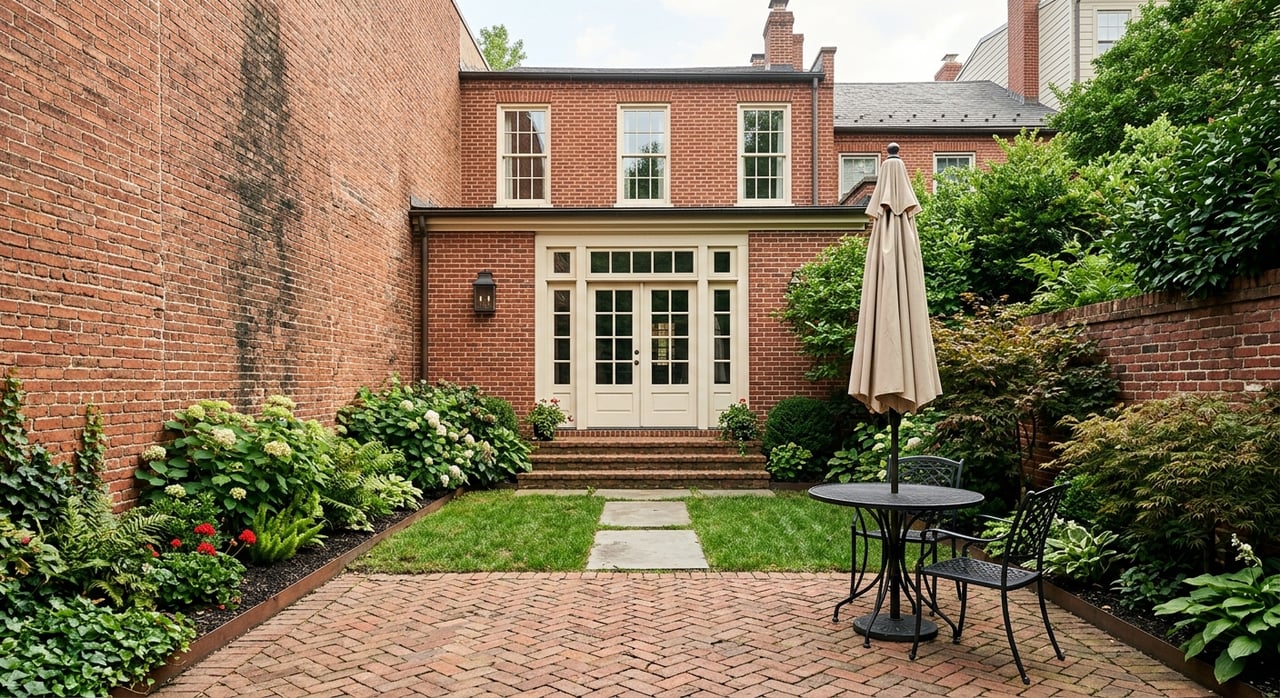
Extra bedrooms and outdoor space often drive the search, but they are rarely the whole story. Many people making this move are also looking for a different pace of life within the city.
Capitol Hill’s historic rowhouse fabric, parks, and neighborhood institutions create a living experience that feels distinct from Dupont’s more central condo lifestyle. That is one reason this move often appeals to buyers who want to put down longer-term roots while staying in a highly walkable part of Washington.
At the same time, Dupont still works beautifully for buyers who want maximum centrality and a more low-maintenance, urban setup. The right move is not about one neighborhood being better than the other. It is about which daily pattern fits your next chapter.
How to decide if now is the right time
If you are seriously considering the jump, ask yourself a few practical questions:
- Do you want more space, a different layout, or more privacy than your condo offers?
- Are you comfortable with the likely price increase from a Dupont condo to a Capitol Hill rowhome?
- Have you accounted for DC purchase taxes and higher annual ownership costs?
- Would your move be easier if you prepared your condo for sale before intensifying your home search?
- Are you looking for a more residential, block-oriented neighborhood experience while staying in the city?
If your answer is yes to most of these, the move may be less about impulse and more about timing your next step well.
With more than 30 years of Capitol Hill experience and a full-service, consultative approach, Maggie Daley can help you evaluate your condo’s sale potential, map out a two-closing strategy, and find the right rowhome for the way you want to live.
FAQs
How much more expensive is a Capitol Hill rowhome than a Dupont condo?
- Based on Redfin’s February 2026 neighborhood data, the median sale price was $520,000 in Dupont Circle and $842,000 in Capitol Hill, a directional gap of about $322,000, though the housing types are different.
Will moving from Dupont to Capitol Hill still feel car-light?
- Yes. Redfin data shows both neighborhoods are highly walkable and bikeable, though Dupont has somewhat stronger transit and walkability scores overall.
What taxes matter when buying a Capitol Hill rowhome in DC?
- The biggest local items are DC’s deed transfer tax, deed recordation tax, and annual property taxes, along with whether your new home qualifies for the homestead deduction.
Should you sell your Dupont condo before buying on Capitol Hill?
- Market data suggests Dupont homes may take longer to sell than Capitol Hill homes, so preparing your condo for sale before shopping seriously on the Hill can be a sensible strategy.
How does transit change when moving from Dupont to Capitol Hill?
- Dupont Circle is a Red Line station, while Capitol Hill buyers often use Eastern Market or Capitol South, which are served by the Orange, Blue, and Silver lines.