Selling in Logan Circle can feel like the hard part is over once you accept an offer. In reality, that is when the timeline often gets tighter and more detail-heavy. If you are selling a rowhouse, condo, or another home type in this part of DC, understanding what happens next can help you avoid delays, protect your contract, and get to closing with fewer surprises. Let’s dive in.
Why Logan Circle closings move fast
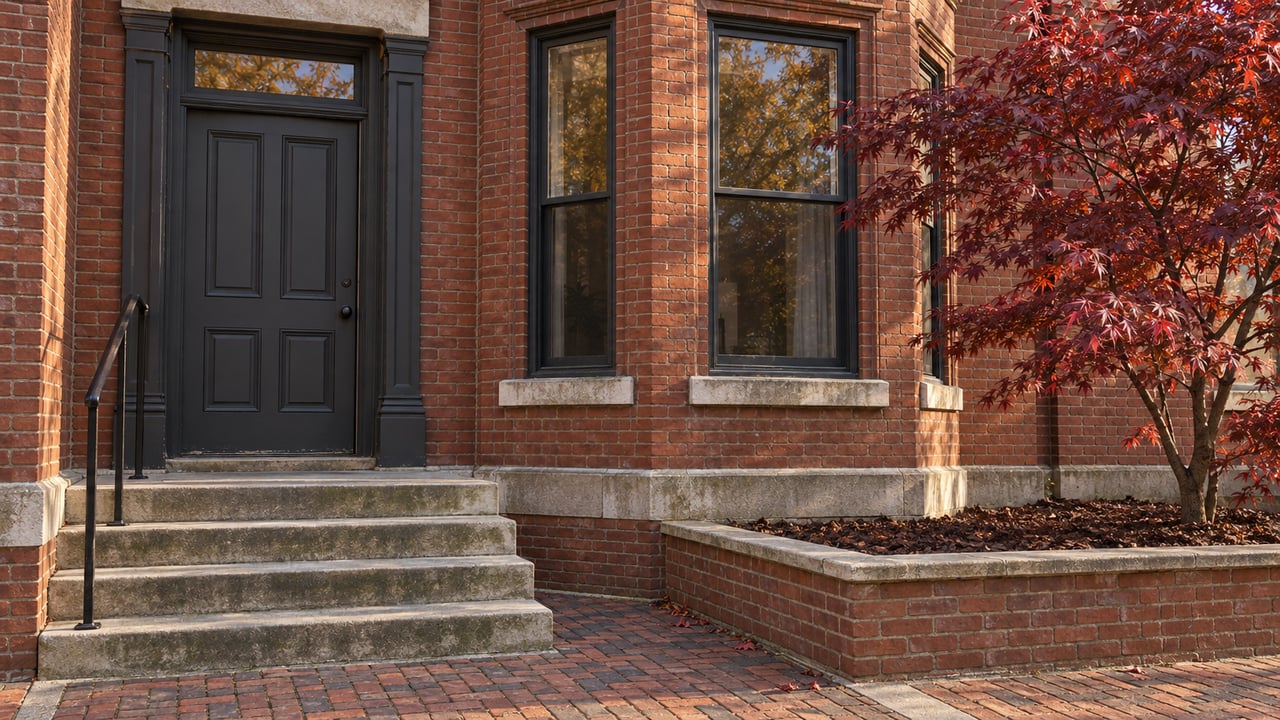
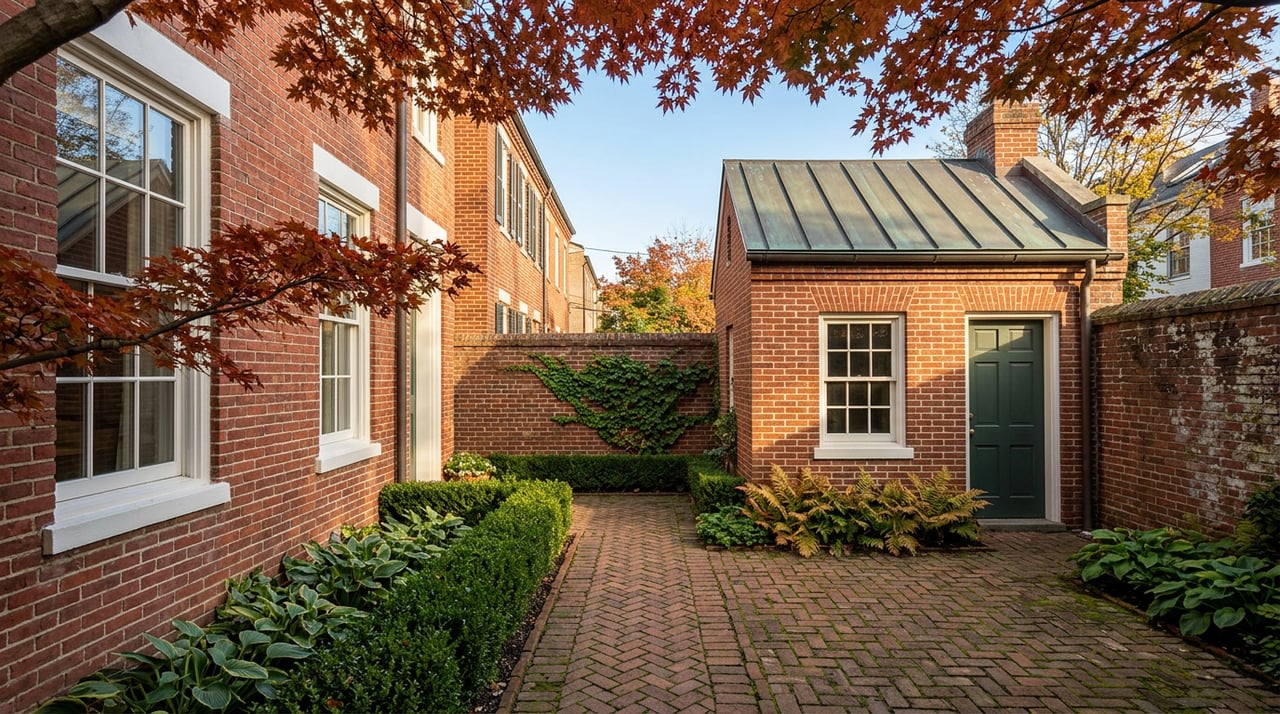
Logan Circle and the nearby 14th Street NW corridor include a broad mix of housing, from historic rowhouses and larger historic homes to low-rise apartments and high-rise buildings. According to the DC Office of Planning neighborhood cluster profile, that variety can shape what happens after your contract is ratified.
For you as a seller, that means the path from offer to closing may look different depending on the property type. A house sale may center on inspections, disclosures, and lender conditions, while a condo sale often adds resale packet deadlines and association review. In some cases, the post-offer process can feel compressed because several of these steps happen at the same time.
Contract ratification starts the clock
Once you and the buyer agree to terms and sign the contract, the transaction moves into a more deadline-driven phase. This is often called contract ratification, and it is the point when contingencies, disclosures, financing, and settlement tasks begin to matter on a day-by-day basis.
From here, your focus should shift from negotiating the offer to keeping the deal on track. That usually means responding quickly, delivering required documents on time, and making clear decisions if issues come up.
Seller disclosures in DC
In DC, the seller must provide the residential real property disclosure statement before or at the time the buyer signs the purchase agreement. Under DC Code Section 42-1302, if that disclosure is delivered after the contract is executed, the buyer generally has 5 calendar days to terminate and receive the deposit back promptly.
The disclosure covers actually known information or defects involving items such as the structure, plumbing, electrical systems, heating and air conditioning, infestations, appliances, fixtures, insulation, and water or sewer systems. It also includes other property-related information like alarm systems, intercoms, garage door openers, and known utility conditions.
Lead disclosure for older homes
Lead disclosure is especially important in Logan Circle, where many homes were built before 1978. Under DC law on lead-based paint disclosure, owners of dwelling units built before 1978 must disclose reasonably known information about lead-based paint and lead hazards before the buyer is obligated under the contract.
DC’s seller disclosure requirements also specifically include lead-test results, lead-bearing plumbing, and lead service line status. If your home falls into this category, having this information ready early can help avoid unnecessary contract risk.
Contingencies can shape the deal
Most buyers do not move straight from ratification to closing without conditions. Inspection and financing contingencies are common, and the Consumer Financial Protection Bureau recommends making an offer contingent on satisfactory inspection and financing.
For you as a seller, contingencies are important because they give the buyer a defined period to investigate the property and secure their loan. If problems surface during that period, the next step may be a renegotiation rather than a clean path to settlement.
Home inspection requests
If an inspection reveals serious defects and the contract allows it, the buyer can usually cancel without penalty or ask for repairs or a credit. In many Logan Circle sales, especially with older housing stock, this is one of the most important decision points in the deal.
You may have options. Depending on the issue and the timeline, a credit can sometimes be simpler than trying to complete repairs before settlement. The right response often depends on how urgent the repair is, what the contract says, and whether the buyer’s lender will require the issue to be addressed.
Material facts still matter
DC also requires a seller’s licensee to disclose material adverse facts about the property’s physical condition that the licensee actually knows. That standard matters because clear, timely communication can reduce the chance of last-minute disputes and help keep both sides focused on closing.
Financing milestones that affect closing
Even when the buyer seems well qualified, the financing process can still shift your timeline. After contract ratification, the lender typically orders an appraisal and continues reviewing the buyer’s file.
This stage can move smoothly, or it can create new negotiations. If the home needs major repairs, the lender may require those repairs before closing or allow an escrow-style holdback, according to the CFPB’s closing guidance.
What happens if the appraisal is low
If the appraisal comes in below the contract price, the buyer may use that lower value to request a price reduction. The CFPB notes that if the seller does not agree to reduce the price, the buyer may consider canceling depending on the contract terms.
That does not automatically mean the deal falls apart, but it does mean timing becomes more important. A prompt, practical response can make a major difference if you want to preserve the transaction.
Closing Disclosure timing
Another financing milestone happens near the end of the process. The buyer must receive the Closing Disclosure at least three business days before closing, and a significant loan change can trigger a new three-day review period, as explained by the CFPB closing process overview.
For sellers, this is one reason a closing date can shift even when everything seemed settled. A last-minute loan adjustment can create a delay that has nothing to do with your preparation, but it still affects your moving plans and settlement schedule.
Condo sales add another layer
If you are selling a condo in Logan Circle, the resale package is one of the most important parts of your timeline. In DC, the unit owner must provide the purchaser with the condominium instruments and a certificate by the 10th business day after the contract is executed, under DC Code Section 42-1904.11.
If the packet is not delivered on time, the buyer can cancel before receiving it. Once the buyer receives it, they generally have 3 business days to cancel and must receive any earnest money back without delay or deduction.
What buyers review in condo documents
The required certificate includes several items that can influence a buyer’s confidence in the purchase. These include planned capital expenditures not reflected in the current budget, reserve balances, the association’s most recent financial statement and operating budget, pending suits or judgments, insurance coverage, unauthorized unit alterations, any leasehold term that remains, and the certificate date.
In practice, the reserve, budget, and capital expenditure sections often get close attention because they can point to future association costs or project-related expenses. That makes early ordering and careful review especially valuable in a condo transaction.
Final walkthrough and settlement
As closing gets near, the buyer typically conducts a final walkthrough before signing. The CFPB explains that this gives the buyer a chance to confirm agreed repairs were completed and that anything you agreed to leave behind is still in the home.
For you, this is the moment to make sure the property matches the contract expectations. If an item was supposed to stay, or a repair was supposed to be completed, the walkthrough is where that gets checked.
What settlement looks like in DC
In DC, settlement is the closing itself. Buyer and seller sign the required documents, funds are disbursed, and ownership transfers by deed. DC also requires at least one person with a current Title Producer or Title Attorney License to be present at every settlement or closing in the District, and the deed is then sent for recording.
That means the transaction is not truly finished just because the boxes are packed. The goal is a clean signing, timely disbursement, and successful recording so ownership transfers without unnecessary friction.
Common delay points to watch
Some issues come up more often than others in Logan Circle transactions. Based on the legal requirements and closing process outlined above, the most common delay points include:
- Missing condo resale documents
- Unresolved inspection issues
- Appraisal or repair conditions
- Last-minute loan changes that require revised closing disclosures
The best way to reduce friction is to prepare early, respond quickly, and keep a close eye on deadlines once your home goes under contract.
A simple seller roadmap
If you want a straightforward way to think about the post-offer process, use this sequence as your guide:
- Ratify the contract and confirm all deadlines.
- Deliver required disclosures on time, including lead-related disclosures if applicable.
- Navigate contingencies such as inspection and financing.
- Address appraisal or repair issues quickly if they arise.
- Provide condo documents on time if the property is a condominium.
- Prepare for walkthrough and settlement so the home matches contract terms.
- Close and record the deed to complete the transfer.
Selling in Logan Circle often rewards preparation more than speed alone. When you understand the milestones ahead, it becomes much easier to make smart decisions, keep your transaction moving, and avoid surprises between contract and closing. If you are planning a sale and want a clear, high-touch strategy from listing through settlement, connect with Maggie Daley to schedule a consultation.
FAQs
What happens after a home goes under contract in Logan Circle?
- After contract ratification, the transaction usually moves through required disclosures, buyer contingencies, financing steps, possible appraisal review, final walkthrough, settlement, and deed recording.
What seller disclosures are required for a Logan Circle home sale?
- In DC, sellers must provide the residential real property disclosure statement before or at the time the buyer signs the purchase agreement, covering actually known property conditions and system information.
What lead disclosures apply to older Logan Circle homes?
- For dwelling units built before 1978, DC law requires sellers to disclose reasonably known information about lead-based paint and lead hazards before the buyer is obligated under the contract.
How long does a Logan Circle condo seller have to provide resale documents?
- In DC condo resales, the seller must furnish the condominium instruments and required certificate by the 10th business day after the contract is executed.
Can a buyer cancel after receiving Logan Circle condo documents?
- Yes. Once the condo resale packet is received, the buyer generally has 3 business days to cancel and receive earnest money back without delay or deduction.
What can delay closing on a Logan Circle home sale?
- Common delay points include missing condo documents, unresolved inspection items, appraisal or repair conditions, and last-minute loan changes that trigger revised closing disclosures.