If you love the charm of a bay-front window but also crave a concierge and a gym, you are not alone. Choosing between an older Dupont Circle condo and a newer, amenity-rich building can feel like choosing between character and convenience. The good news is you can make a confident decision once you understand how these buildings differ in daily life, monthly costs, financing, and DC rules. This guide walks you through the trade-offs and a clear checklist so you can buy with confidence. Let’s dive in.
What counts as older vs. newer in Dupont
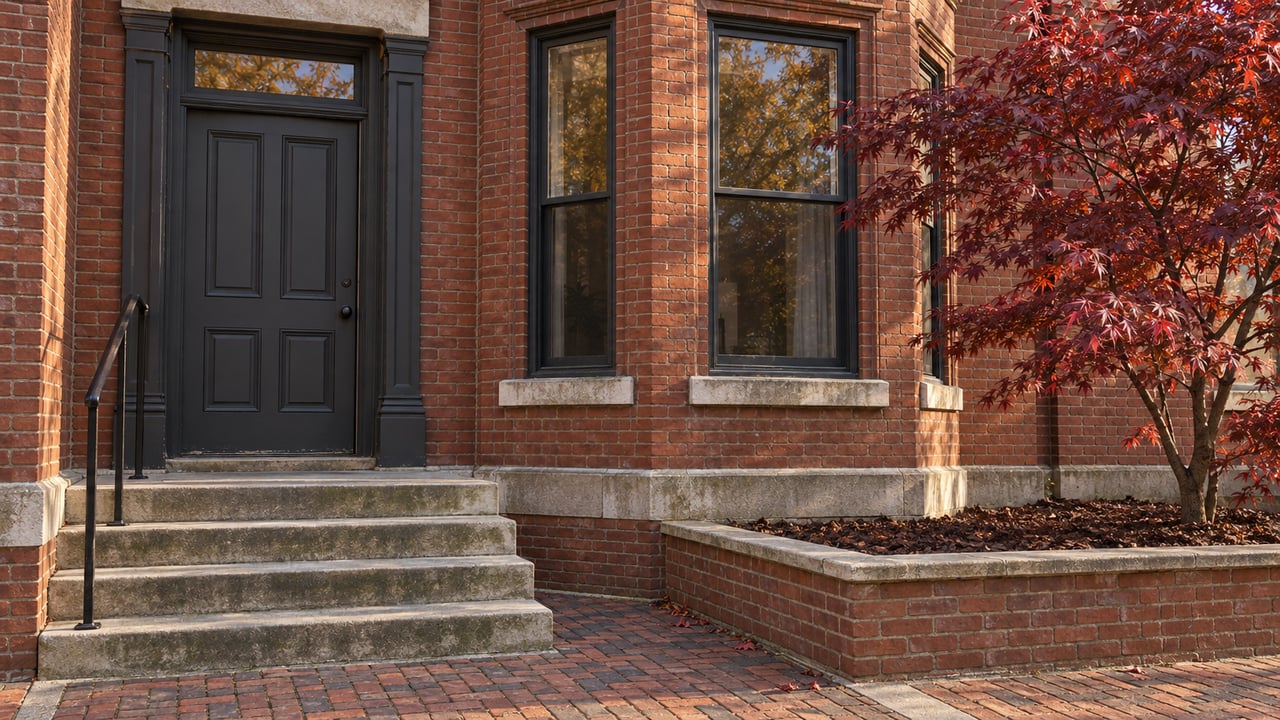
Dupont Circle’s historic fabric shines. Many “older” condos are conversions of Victorian, Beaux-Arts and early 1900s buildings within the Dupont Circle Historic District, whose primary period of significance runs from about 1875 to 1931. You will see boutique buildings, rowhouse conversions, and classic apartment houses with period details.
Newer buildings in Dupont are usually ground-up developments or substantial modernizations. They tend to offer contemporary layouts, consistent finishes, and on-site amenities like package rooms, gyms, and roof decks.
A quick note on prices: neighborhood pricing shifts with listing mix and timing. Different portals report different snapshots. For example, recent market snapshots from major portals can vary because they use different samples. Lean on current MLS data and your lender to set expectations for your specific search.
How the homes feel and function
Older condos: character and quirks
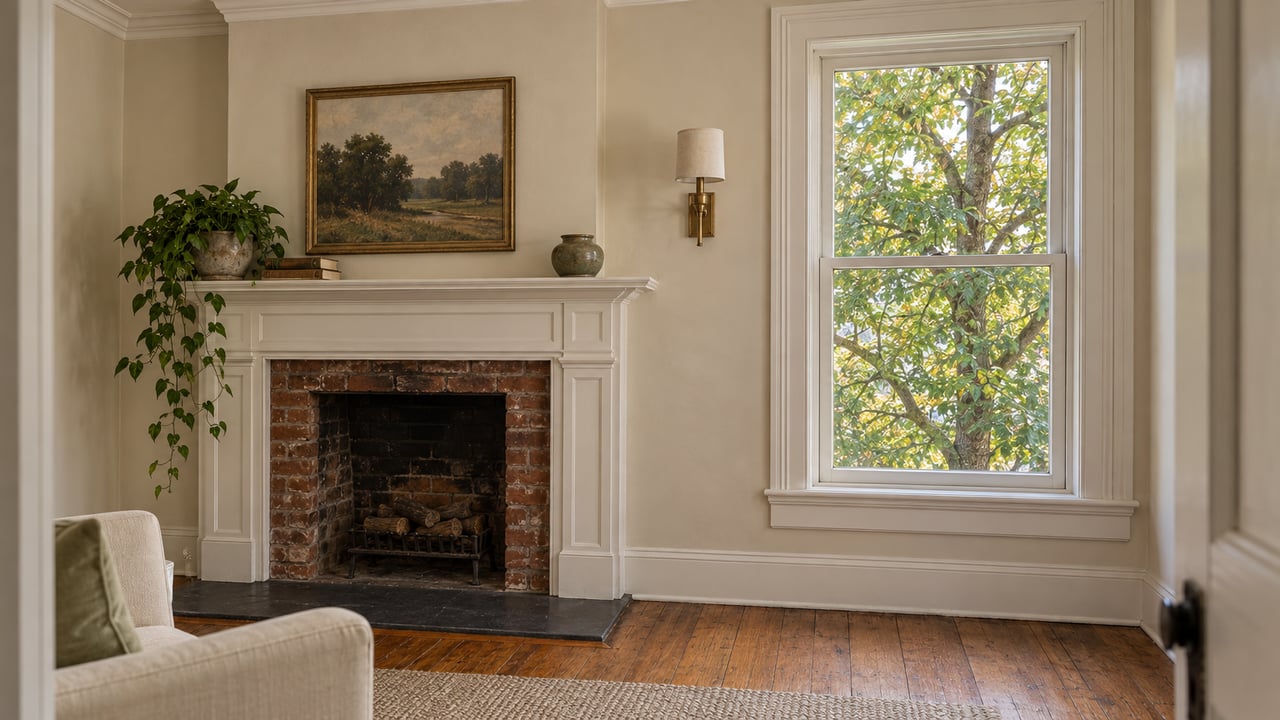
You often get original millwork, crown molding, tall baseboards, fireplaces, and even exposed brick. Ceilings may be higher and room shapes less uniform, which can feel unique and cozy. Storage can be tighter, and in-unit laundry or central HVAC may not be standard. Building systems can vary unit to unit, so condition and upgrades matter.
Newer condos: comfort and convenience
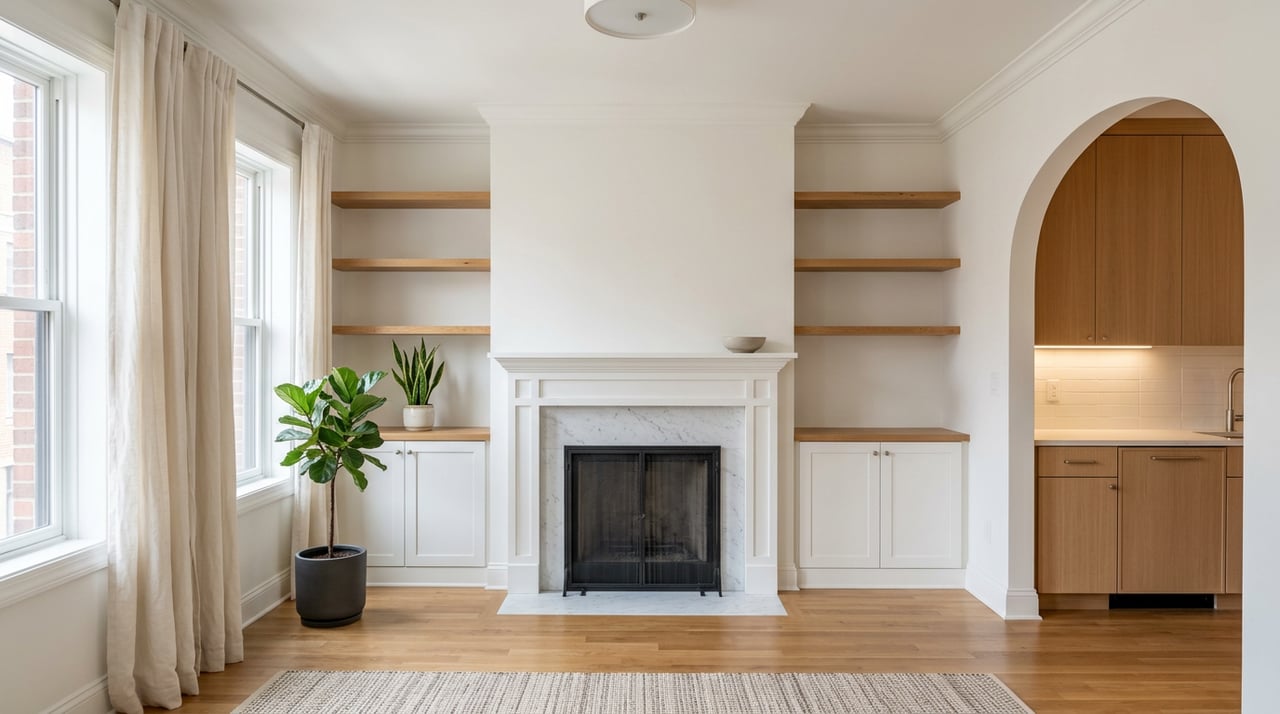
Expect open floor plans, modern kitchens and baths, energy-efficient windows and HVAC, and full-size in-unit laundry. Amenities such as climate-controlled storage, fitness centers, package rooms, concierges, and EV charging are common. Mechanical systems are more uniform, which can make maintenance more predictable.
Monthly cost and HOA fees
Condo fees fund building insurance, common-area upkeep, management, utilities when included, staffing, and reserves. Amenities like gyms, pools, 24-hour staff, landscaped rooftops, and EV charging increase operating costs, which raises monthly dues. The Community Associations Institute guidance on reserves highlights how amenities and long-term planning shape fees.
Smaller historic conversions often have fewer shared services, which can mean lower dues. That said, lower dues sometimes come with smaller reserve contributions, so it pays to look under the hood.
Reserves, assessments, and your risk
A reserve study maps every major common element, estimates remaining useful life, and recommends annual reserve funding. Well-run associations follow the plan and build reserves steadily.
In practice, some older conversions have leaner reserves due to small owner pools or timing of developer turnover. That can increase the chance of special assessments or sharp dues increases when a roof, façade or boiler needs work. Ask for the association’s percent-funded number, the most recent reserve study, and meeting minutes that note planned projects.
Insurance basics lenders care about
Lenders expect a master property insurance policy that covers common elements and building improvements on a replacement-cost basis. As an owner, you still carry an HO-6 policy for your interior finishes and personal property. The Fannie Mae project standards also address master-policy deductibles. High deductibles can create exposure, so confirm whether you need loss assessment coverage in your HO-6.
Financing: warrantable vs. non-warrantable
A condo is “warrantable” when it meets Fannie Mae and Freddie Mac project rules for reserves, owner occupancy, delinquency levels, commercial space mix, litigation, insurance, and more. See Fannie’s condo project eligibility rules for the factors lenders review.
Why this matters: most buyers use conforming loans. If a building is non-warrantable, your lender options narrow and rates or down payment needs can rise. Smaller historic conversions and mixed-use buildings are more likely to be non-warrantable. Newer, professionally managed buildings are often structured to meet conforming standards. Have your lender check project eligibility early, including through tools like Condo Project Manager.
Rules that shape how you can use the condo
DC resale package and your review window
In DC, a resale by a unit owner must include a certificate and documents that outline reserves, the current budget, financial statements, pending assessments, and any material litigation. If these are not delivered on time, or when you receive them, you have limited statutory rights to cancel within a short review window. Review the DC condo resale package requirements carefully with your agent and lender.
Renting and short-term rentals
DC requires licensing for short-term rentals and distinguishes hosted stays from vacation rentals. Full-unit vacation rentals are generally capped at 90 nights per year in typical cases. Hosts must hold a license, meet insurance and compliance requirements, and confirm that condo rules allow short-term rentals. Many associations limit or prohibit this activity in their governing documents. Learn more on the DC short-term and vacation rentals page and confirm the condo’s leasing and STR rules in writing.
Resale appeal and long-term value
Wider buyer pools tend to support more predictable resale timelines. Warrantable, amenity-rich buildings usually attract more financed buyers. Very small historic conversions or buildings with restrictive leasing rules can appeal to a narrower audience. That can be fine if you value the uniqueness and plan to hold long term.
Across building ages, location, transit access, and a practical floor plan drive results. In Dupont, a well-located historic unit with strong character can command a premium. A newer building with parking, concierge, and storage can attract buyers who want convenience. In older buildings, verifying reserves and near-term capital plans helps you avoid surprise costs and preserve value.
Quick decision guide
- Older or conversion condos:
- Pros: distinctive finishes, boutique feel, potential for lower dues in small buildings.
- Watch-outs: more variability in systems and layouts, higher chance of deferred maintenance or assessments, higher risk of non-warrantable status.
- Newer or amenity-rich condos:
- Pros: modern layouts and systems, consistent finishes, amenities, smoother path to warrantable financing.
- Watch-outs: higher purchase prices and higher monthly dues due to amenities.
Due diligence checklist for Dupont Circle buyers
- Request the full resale package early and understand your 3-business-day review and rescission timelines under DC law. See the DC condo resale package requirements.
- Ask for the latest reserve study and the association’s percent-funded figure. If none exists, request written plans for capital projects.
- Have your lender confirm warrantability and approval path, including whether Fannie Mae or Freddie Mac will buy the loan or if portfolio financing is needed. Tools like Condo Project Manager help verify status.
- Review board minutes for the past 12 to 24 months and ask about recent or pending special assessments. CAI’s reserve planning guidance explains why this matters.
- Confirm master insurance coverage and deductibles and compare them to Fannie Mae project standards. Ensure your HO-6 includes loss assessment if appropriate.
- Read the leasing and short-term rental rules and verify your eligibility for a DC short-term or vacation rental license if rental income matters. Start with the DC short-term and vacation rentals guidelines.
- For older buildings, ask for recent engineering reports on the façade, roof, and mechanical systems or commission a targeted inspection focused on common elements.
Final thoughts
There is no one-size-fits-all winner in Dupont Circle. If you light up at original trim and a sunny bay window, an older conversion could be perfect once you confirm reserves, rules, and financing. If you prize a concierge, a gym, and predictable systems, a newer building may fit your lifestyle and budget better.
If you want a local sounding board to pressure-test options, compare HOA budgets, and coordinate lender project reviews, connect with Maggie Daley. You will get a clear plan, vetted listings, and a calm path to the right Dupont Circle condo.
FAQs
What defines an “older” Dupont Circle condo?
- Many older units are historic conversions of buildings from the 1875 to 1931 period within the Dupont Circle Historic District, often with original architectural details and boutique layouts.
How do HOA fees differ in older vs. newer Dupont condos?
- Newer, amenity-rich buildings often have higher dues due to staffing and facilities, while smaller conversions may have lower dues but smaller reserves, per CAI reserve planning guidance.
What is a reserve study and why does it matter for Dupont buyers?
- A reserve study estimates the life and replacement cost of major components and guides funding, which helps you gauge the risk of special assessments.
What does “warrantable” mean for a Dupont Circle condo loan?
- Warrantable projects meet Fannie Mae and Freddie Mac rules on reserves, occupancy, insurance, commercial mix, litigation, and more. See Fannie’s eligibility rules.
What are DC rules for Airbnb-style rentals in Dupont Circle condos?
- DC requires a license, distinguishes hosted from vacation rentals, and generally caps full-unit vacation rentals at 90 nights per year. Confirm building rules and review DC STR guidance.
What is in the DC condo resale package and how long do I have to review it?
- The package includes governing documents, budgets, financials, reserves, and litigation disclosures. Buyers have limited statutory rescission rights after delivery, per DC Code § 42–1904.11.