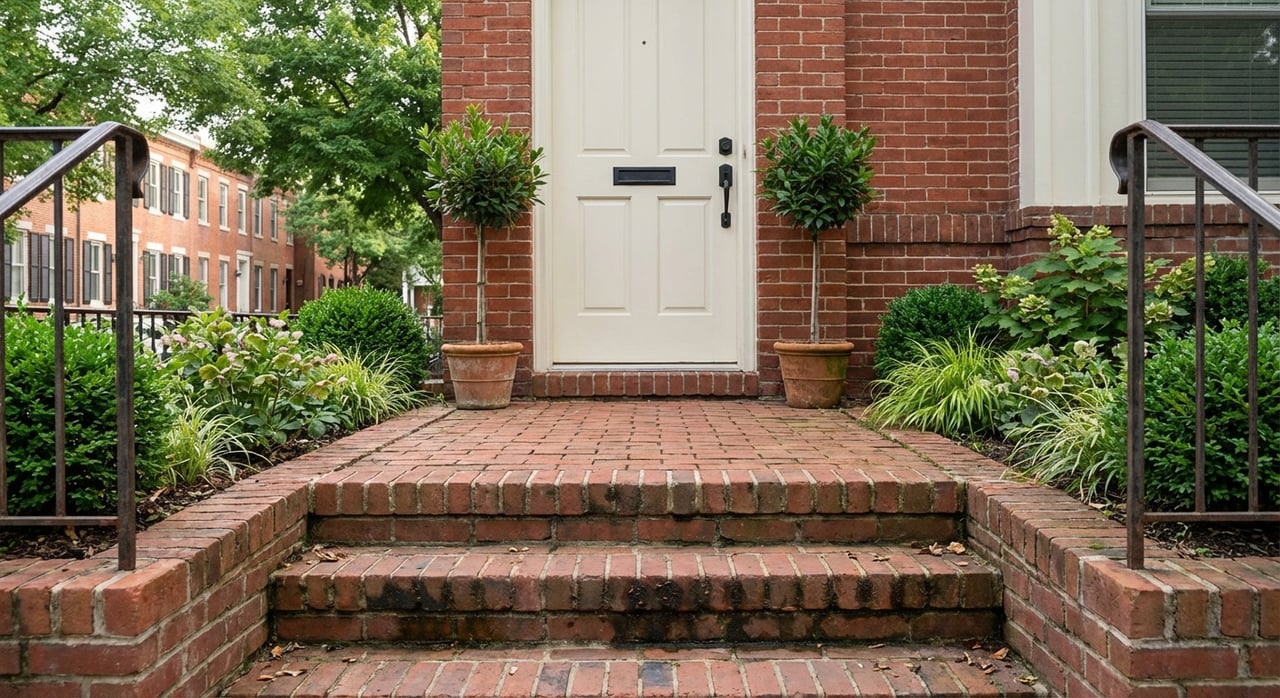
Is there a right month to sell your Capitol Hill rowhome? The short answer is often yes, but your best outcome depends on more than the calendar. You want a strong price, a smooth closing, and timing that fits your move. This guide gives you a clear, DC-specific plan to choose the right window, prep with purpose, and avoid common timing traps. Let’s dive in.
How seasonality shapes your sale
Spring is usually your strongest window. In the DC area, March through May tends to bring the most active buyers, faster sales, and the highest chance of competitive offers. Many data-driven studies point to April or May as sweet spots. Listing day matters too. Launching midweek, especially Wednesday or Thursday, helps you capture peak weekend traffic.
Capitol Hill has local twists. Federal employment cycles, congressional schedules, and return-to-office patterns can shift demand quickly. Recent reporting noted how workforce changes affected urgency and inventory in 2024 and 2025, which altered competition in some months. If you are counting on a spring premium, check buyer activity 6 to 8 weeks before your target date by watching pendings, showings, and new competing listings. You can get helpful context from recent regional coverage on changing market momentum in the DC area in 2025 and 2026, including how a softer period can set up a stronger season ahead. Read more in this Washington Post overview of shifting demand patterns in the region: signs of a hotter fall for DC-area buyers after a softer stretch.
Read the market right now
Seasonality sets the stage, but short-term supply and pricing trends tell you how your exact window is playing. Inventory and months of supply are early indicators. Rising active listings and longer months of supply usually reduce the spring premium, while tightening supply can intensify competition. Recent years brought inventory gains and longer days on market in some DC submarkets. The best way to calibrate is a current Comparative Market Analysis for your block and price band.
Watch these Capitol Hill signals
- Active listings in your price tier and how fast they go under contract.
- Months of supply in your micro-market. Falling supply favors sellers.
- Sale-to-list ratio in your tier. If it slips near or below 0.98, buyer leverage is rising and pricing should be more conservative.
- Buyer profile. Capitol Hill often attracts Hill staff, federal employees, and urban professionals who value walkability and proximity to transit and parks. Move-in-ready condition and easy access to daily needs perform well with this pool.
Your timing goals and strategy
Your best timing depends on what you value most. Use this quick framework to choose the right path.
Maximize price
- Target late spring in most years, roughly March to mid-May, and list midweek for best exposure.
- Prep 6 to 12 weeks ahead so you can stage well and handle punch-list items.
- Expect stronger early interest and be ready to support price with recent comps and a clear upgrade list.
Speed and certainty
- Price slightly under the most direct competition to draw more qualified buyers.
- Highlight readiness for fast close and prioritize strong financing or cash.
- Professional photos and strong staging still matter. First impressions drive quick offers.
Exterior work before selling
- If you plan visible exterior changes on a historic rowhome, start early. Many front-facing updates need review.
- Build in extra time for preservation approvals and avoid scheduling surprises that delay your launch.
Plan your pre-list timeline
You can go fast if your home is already show-ready, or you can slow down to chase a spring premium. Here are sample paths to help you decide.
Fast sale in 6 to 8 weeks
- Weeks 6 to 4 before listing: Hire your agent, finalize a pricing strategy, complete essential repairs, declutter, and deep clean.
- Week 3: Finish staging and schedule professional photography.
- Week 0: Go live on Thursday evening and hold open houses that weekend. Review offers within 1 to 3 weeks and target a 2 to 6 week close depending on buyer financing.
Price maximizer with a flexible schedule
- Weeks 12 to 8: Get an agent CMA, order a pre-list walk-through, and prioritize light, high-ROI updates. Verify if any exterior work needs historic review.
- Weeks 8 to 4: Complete updates, paint, and finalize staging.
- Week 1: Shoot photos and finalize your launch plan.
- Week 0: List in late spring, preferably Thursday. Negotiate for clean terms and plan for a 30 to 45 day closing after ratification.
Renovate first, then sell
- Month 0: If exterior changes are visible from the street, meet with preservation staff and your architect to map requirements.
- Months 1 to 3 or more: Allow time for historic review and any zoning steps before construction.
- Post-construction: Budget 2 to 6 weeks for finishing, cleaning, staging, and photography. Then list into the next strong seasonal window.
DC rules that impact timing
Historic district checks
Much of Capitol Hill is within historic districts. If you plan exterior work visible from public space, you may need review by the DC Historic Preservation Office and the Historic Preservation Review Board, often in coordination with the Department of Buildings. Some small, in-kind work can be approved at staff level, while larger changes can add weeks or months. Start early and get clarity on scope. Learn more in the Capitol Hill Restoration Society’s historic district FAQs.
Lead-based paint disclosures
Most Capitol Hill rowhomes predate 1978. Federal rules require you to disclose known lead hazards, provide buyers with the EPA-HUD pamphlet, and offer a 10-day inspection period unless waived. Any contractor who disturbs painted surfaces in pre-1978 homes must follow EPA RRP rules. Build these steps into your prep timeline if you plan to renovate before listing. Review the EPA’s Renovation, Repair and Painting program.
Closing window and appraisal timing
For financed buyers, closings typically take 30 to 45 days after contract. Cash deals can close faster. Appraisals rely on recent closed comps, usually the prior 3 to 6 months. In fast markets, contract prices can outpace comps, which may introduce appraisal risk. Prepare a clear list of upgrades and relevant recent sales to support value if needed.
DC transfer and recordation taxes
DC uses tiered residential rates that commonly apply at 1.10 percent for transfers under 400,000 dollars and 1.45 percent for 400,000 dollars and above, based on contract price or fair market value. Local practice can split or negotiate who pays what, so confirm allocations with your agent and title company. For official guidance, see the DC Office of Tax and Revenue’s Recorder of Deeds FAQs.
Pricing, appraisal, and your net
If you are targeting a spring premium, expect more attention in the first two weeks. Your list price should reflect current comps, nearby actives, and buyer behavior in your exact tier. Appraisals will look at closed sales from the last 3 to 6 months, so a hot moment may still face a conservative appraisal. To protect your net proceeds, prep a simple upgrade ledger, a features sheet, and a packet of recent comparable sales your agent can share with the buyer’s lender if needed.
When prioritizing pre-list work, stick with modest, high-visibility updates that buyers notice right away. In most markets, thoughtful curb appeal, minor kitchen refreshes, and midrange bath updates tend to deliver better payback than large luxury projects. A recent review of national Cost vs Value trends reinforced that exterior and entry improvements often rank high on ROI. See a summary of those findings here: 2024 Cost vs Value highlights.
Quick seller checklist
- Request a current CMA focused on your immediate block and price band.
- Ask for contractor referrals who have navigated Capitol Hill historic review if exterior work is planned.
- Get a preliminary net sheet that models DC transfer and recordation taxes and any concessions.
- Pick a target launch week and a midweek list day based on current actives and pendings.
- Build a 6 to 12 week prep plan that includes staging, photos, and a pricing road map.
The bottom line
You can time your sale for success. In most years, late spring brings the largest buyer pool on Capitol Hill. Your best result comes from aligning that seasonal lift with real-time supply, a clear prep plan, and an on-point list price. If you are thinking of selling, let’s map your goals, review the micro-market, and choose the right week to launch.
Ready to plan your sale on your timeline? Connect with Maggie Daley for a neighborhood-specific strategy and full-service marketing backed by Coldwell Banker.
FAQs
When is the best month to sell a Capitol Hill rowhome?
- In most years, March through May is the strongest window, with April or May often producing the most buyer activity. Your agent should confirm demand 6 to 8 weeks before you list.
How far in advance should I start prepping to list?
- If your home is close to show-ready, you can launch in 1 to 3 weeks. For light updates and staging, plan 3 to 8 weeks. Larger projects can take 8 to 12 weeks or more.
Do I need approval for exterior work before listing in Capitol Hill?
- If changes are visible from the street in a historic district, you likely need review by DC’s preservation staff or board. Start early and factor extra weeks or months if public review is required.
How long does it take to close after accepting an offer in DC?
- Most financed purchases close in 30 to 45 days. Cash deals can be quicker. Appraisal, underwriting, and title items are the most common causes of delay.
What DC closing taxes should I plan for as a seller?
- DC applies tiered transfer and recordation tax rates, commonly 1.10 percent under 400,000 dollars and 1.45 percent at 400,000 dollars and above. Confirm allocations with your agent and title company.