Selling a Capitol Hill rowhome can move quickly when you launch with a clear plan. Historic homes shine when you balance character with modern comforts and smart marketing. In this guide, you’ll get a practical, step-by-step checklist tailored to Capitol Hill so you can prep confidently, avoid last‑minute surprises, and go live with momentum. Let’s dive in.
Know the Capitol Hill context
Historic homes, real expectations
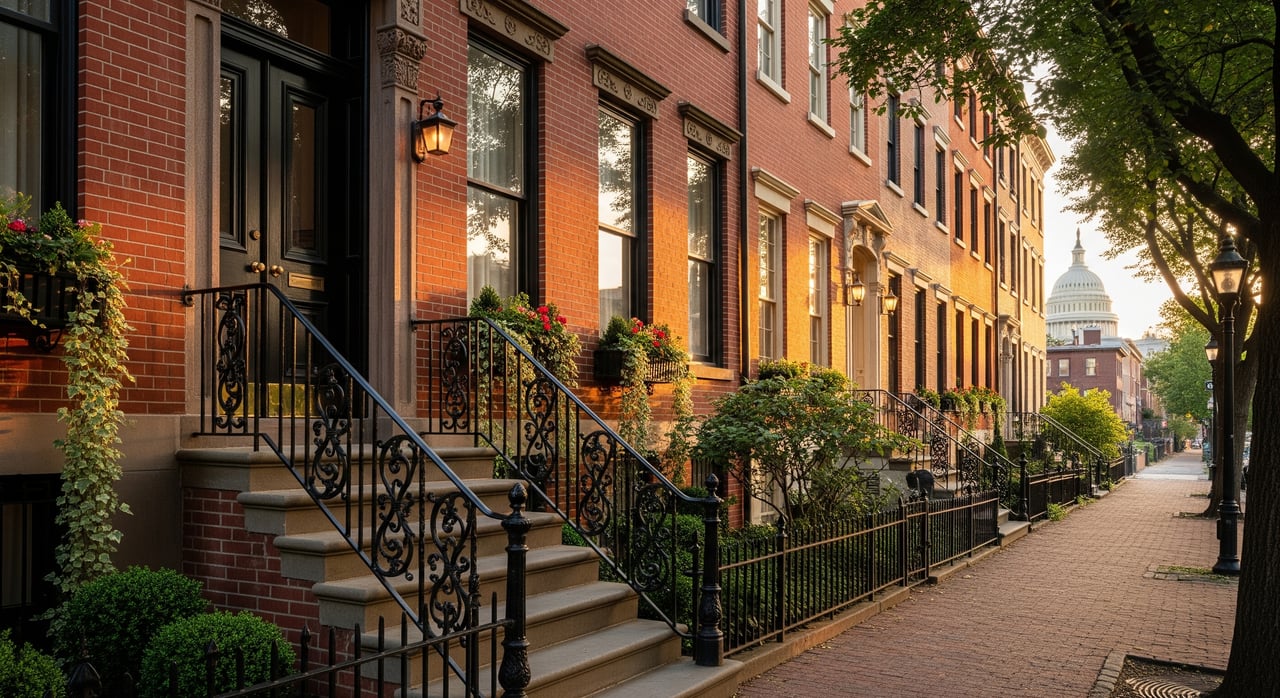
Many Capitol Hill rowhouses date to the late 1800s and early 1900s. Buyers expect tall ceilings, original moldings, fireplaces, and classic brickwork, paired with reliable systems like updated kitchens and baths, modern electrical, and dry basements. Narrow floor plates and small rear yards are common, and some homes include roof decks or multi‑unit conversions.
Buyer priorities to highlight
Walkability matters. Proximity to Metro stations such as Capitol South, Eastern Market, Judiciary Square, and Union Station, along with parks like Lincoln Park and Stanton Park, are strong selling points. Local retail corridors, including Eastern Market and Barracks Row, can help your listing stand out when you use clear neighborhood notes and photos.
Historic rules and permits
Portions of Capitol Hill fall within historic districts. Exterior changes visible from the street, such as window replacements, stoops, cornices, and front façades, may require review by the District’s Historic Preservation Office or Review Board. Interior work is usually not subject to historic review. Buyers often ask for proof of permits for past renovations, so assemble your records early.
Lead paint and federal disclosures
If your home was built before 1978, you must provide the federally required lead‑based paint disclosure package and the EPA/HUD pamphlet to buyers. Renovations on pre‑1978 homes must follow EPA Renovation, Repair and Painting rules when performed by contractors.
Drone and photography rules
Washington, DC sits within controlled airspace. Commercial drone photography typically requires FAA authorization and coordination. Many local photographers avoid drone footage in central DC. If you use drone media, confirm the operator has proper approvals.
Start with inspections
General home inspection
Use a pre‑listing inspection to spot issues that could slow a sale or cut into offers. For Capitol Hill rowhomes, focus on the roof and gutters, flashing, masonry and tuckpointing, porches and stair safety, electrical panel and any older wiring, HVAC age and maintenance, water heater, sewer lateral, and moisture in basements or cellars. You can fix items, disclose and price accordingly, or prepare to negotiate with confidence.
Specialty inspections to consider
- Sewer scope to assess older laterals that may be clay or terra cotta.
- Wood‑destroying insect inspection if there is evidence of pests.
- Radon testing, which is relatively inexpensive and reassuring when levels are low.
- Moisture or mold evaluation if there is a history of dampness.
- Asbestos or lead testing when you plan renovations or have specific materials of concern.
Disclosures and paperwork
Gather the lead‑based paint disclosure package for pre‑1978 homes, standard DC seller disclosures, proof of permits for past work, contractor invoices, warranties, and utility bills. If your property is in a historic district, include any HPO or HPRB approvals for exterior work.
Decide what to fix
After inspections, categorize items to move fast and protect value:
- Safety or major systems: repair or disclose clearly to maintain buyer confidence and loan eligibility.
- Cosmetic: refresh and stage.
- Negotiable: disclose and price for market acceptance.
- Investment upgrades: consider only when the likely return is strong.
Prioritize light repairs
Safety and systems first
- Fix electrical hazards, add GFCI protection in kitchens and baths, and update outdated panels as needed.
- Repair roof leaks and gutters. Address active basement or cellar water intrusion.
- Service HVAC and water heater. Keep invoices and warranty info ready.
- Repair major plumbing leaks and confirm functional supply and drainage.
Exterior and curb appeal
- Tuckpoint visible mortar and repair missing bricks or flashing.
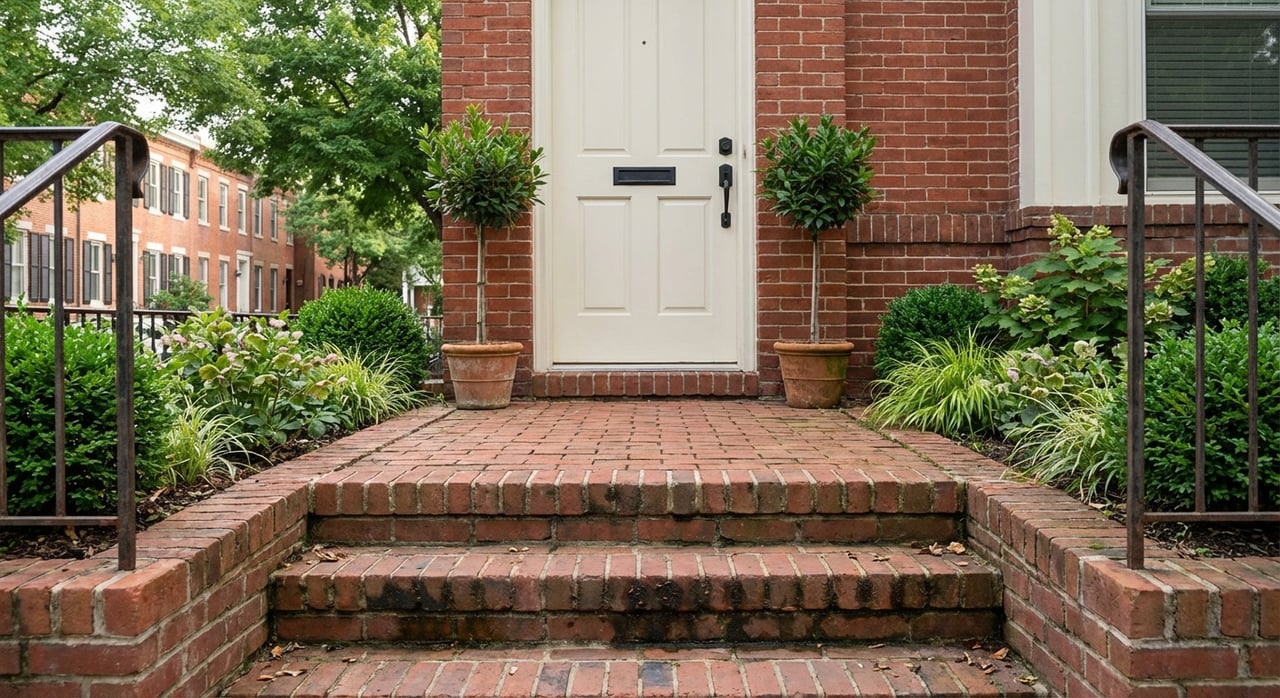
- Stabilize porches and stoops. Repaint doors and railings for a clean first impression.
- Clean and repair gutters and downspouts. Clear exterior drains.
- Repair or caulk windows where needed. For historic windows, consider repair over replacement when feasible.
Interior refresh that shows well
- Apply fresh, neutral paint to maximize light and scale.
- Refinish or deep‑clean floors. Repair stair treads and secure handrails.
- Update lighting for brighter, energy‑efficient warmth.
- Refresh kitchens and baths with hardware updates, grout cleaning, caulking, and modern but simple fixtures.
Basements and cellars
- Solve moisture and odor issues. Confirm sump pumps function and keep waterproofing documentation.
- Declutter to present clean storage or finished space as added utility.
Contractors and approvals
- Hire licensed contractors for work subject to code or historic review.
- If exterior work affects the façade or visible elements, consult the historic office early. Approvals can add weeks, so plan ahead.
- Where return on investment is uncertain, keep larger projects for buyers and price competitively.
Stage for rowhome flow
Staging goals for narrow floor plates
- Right‑size furniture to open walkways and show flow from room to room.
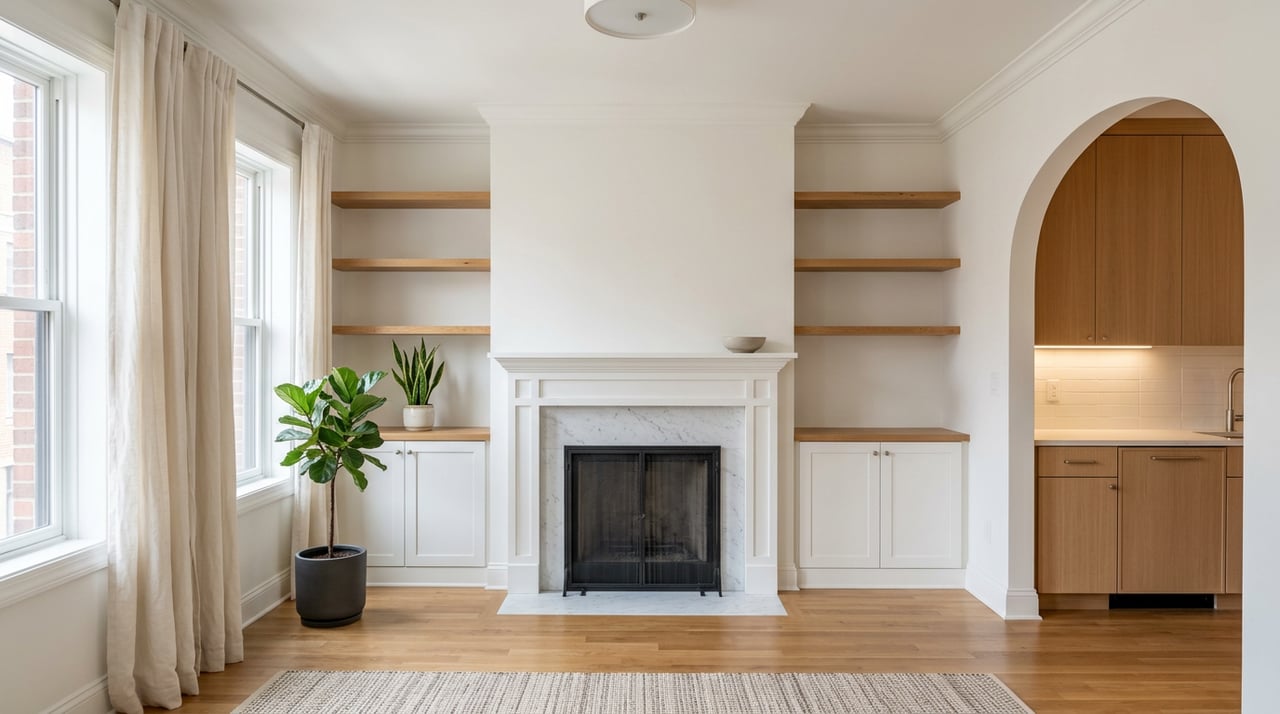
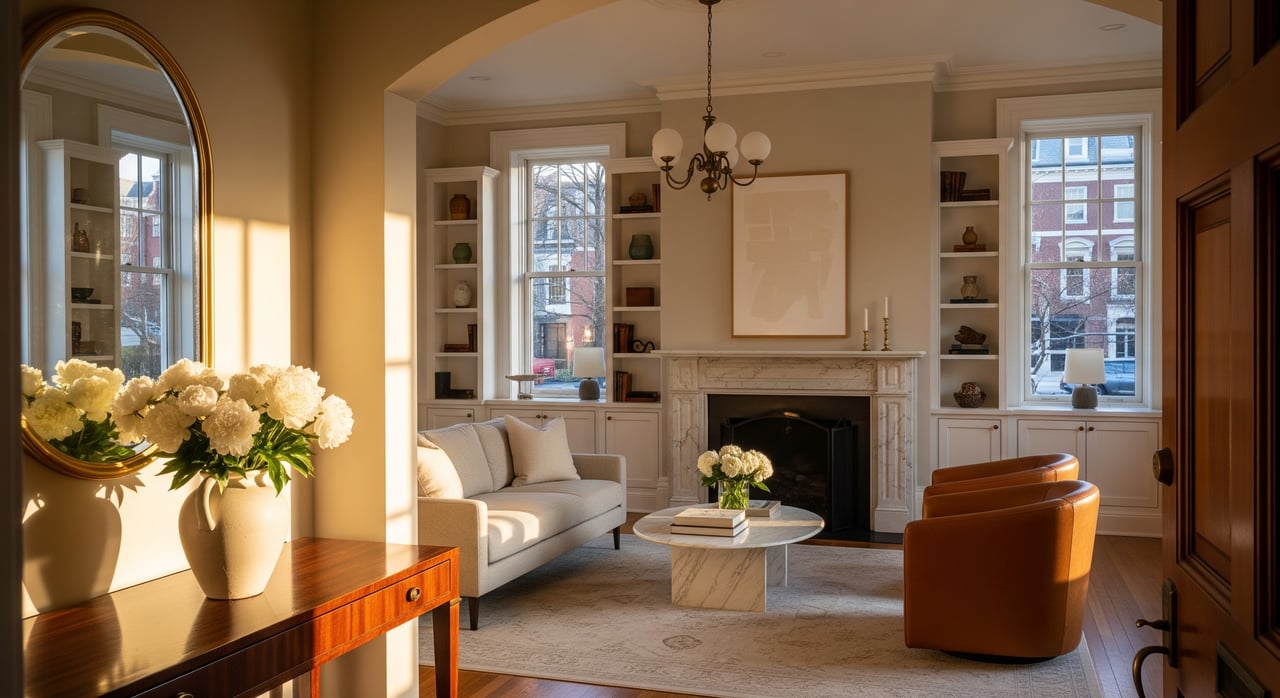
- Clear sightlines to emphasize ceiling height, original moldings, fireplaces, and built‑ins.
- Neutral, modern finishes that let character features shine.
- Tidy outdoor spaces, including rear yards, roof decks, and porches, to show easy outdoor living.
Professional media that matters
- High‑quality interior photography using wide, not distorted, angles and HDR for balanced light.
- Floor plans so buyers understand layout and room sizes.
- 3D tours or Matterport to serve out‑of‑town buyers and reduce low‑value showings. Use local pros who know how to capture tight stairs and narrow rooms.
- Simple video walk‑throughs and neighborhood B‑roll focused on factual highlights.
- Drone only with proper approvals. Most DC listings succeed with strong ground‑based media.
Media compliance
- Avoid images that suggest sensitive federal buildings or security sites.
- Do not misstate square footage or bedroom counts. Attribute measurements to verified sources.
- Disclose virtual staging when used, per MLS rules.
Quick staging checklist
- Declutter, depersonalize, and remove extra furniture.
- Clean windows and set consistent, warm light bulbs.
- Use strategic mirrors to reflect light and expand perceived space.
- Add small greenery or flowers. Secure pets during shoots.
- Create a day‑of‑showing quick‑clean plan: trash out, beds made, lights on.
Plan your launch timing
When to list
Spring can be active, but demand in Capitol Hill stays steady year‑round. Align timing with your goals. If speed matters most, a clean and accurate launch is better than rushing without prep.
Pre‑market steps
Follow this order to stay on schedule:
- Assemble documents. 2) Order pre‑listing inspection(s). 3) Choose repairs, prioritizing safety and systems. 4) Complete repairs and maintenance. 5) Stage and declutter. 6) Book photos, floor plan, and 3D tour. 7) Finalize disclosures and pricing. 8) List and begin showings.
Sample timelines
- Quick launch, 7–10 business days: decision to sell, fast fixes and cleaning, staging consult, professional media, then go live. Useful when the home is already in strong condition.
- Standard launch, 3–4 weeks: inspections and bids in week 1, repairs and deep clean in week 2, media and pricing in week 3, market live in week 4 with open houses.
- Full preparation, 6+ weeks: plan for permitted or exterior historic work, allow for curing and finishing, then complete staging and media before launch.
Open houses and showings
- Coordinate access and a showing schedule before you go live.
- Many sellers list mid‑week to build exposure into the first weekend.
- Consider a broker open for agent awareness and a public open for neighborhood buyers.
Price with purpose
Price to reflect condition, neighborhood comparables, seasonality, and any pre‑listing repairs completed. Use your inspection findings to inform pricing and any planned concessions.
Prepare answers and docs
Buyer questions to expect
- When were the roof, HVAC, electrical panel, and plumbing last replaced or serviced?
- Were renovations permitted and inspected? Can you share permit numbers?
- Has the basement ever had water intrusion? What remediation was done?
- Is the home in a historic district and were exterior changes approved?
- Are there known lead paint or asbestos issues? Do you have test results?
Documents to gather now
- Recent utility bills and tax assessment info.
- Survey or plat, if available.
- Permits, contractor invoices, warranties, and system manuals.
- Certificate of occupancy for past renovations if applicable.
- HOA or condo documents if relevant.
- Pre‑listing inspection report, optional but helpful.
- Lead‑based paint disclosure packet for pre‑1978 homes.
Next steps
A strong Capitol Hill launch is equal parts preparation and presentation. Focus on safety and systems first, lean into light cosmetic updates that show well, and use professional media to tell a clear story about layout and neighborhood lifestyle. With the right plan, you can shorten time on market and attract confident offers.
If you want a tailored plan for your rowhome, schedule a strategy session with Maggie Daley. With decades on Capitol Hill and full‑service marketing resources, you will get a clear path from prep to sold.
FAQs
What inspections should Capitol Hill sellers order first?
- Start with a general home inspection focused on roof, masonry, electrical, HVAC, plumbing, basement moisture, and sewer lateral, then add specialty tests as needed.
Do I need approval for exterior work in Capitol Hill?
- If your home is in a historic district, exterior changes visible from the street may require review by the District’s historic preservation authorities before work begins.
How should I handle lead paint in a pre‑1978 rowhome?
- Provide the federally required lead‑based paint disclosure and EPA/HUD pamphlet, and follow EPA rules for any contractor‑performed renovations.
Are drone photos allowed for DC listings?
- DC is within restricted airspace, so commercial drone flights typically require FAA authorization, and many photographers avoid drone use in central DC.
What is the best day to list a Capitol Hill rowhome?
- Many agents prefer Thursday or Friday to build exposure into the first weekend, but align timing with your preparation and goals.
Which documents should I compile before listing?
- Gather permits, contractor invoices, warranties, utility bills, historic approvals if applicable, standard disclosures, and the lead‑based paint packet for pre‑1978 homes.