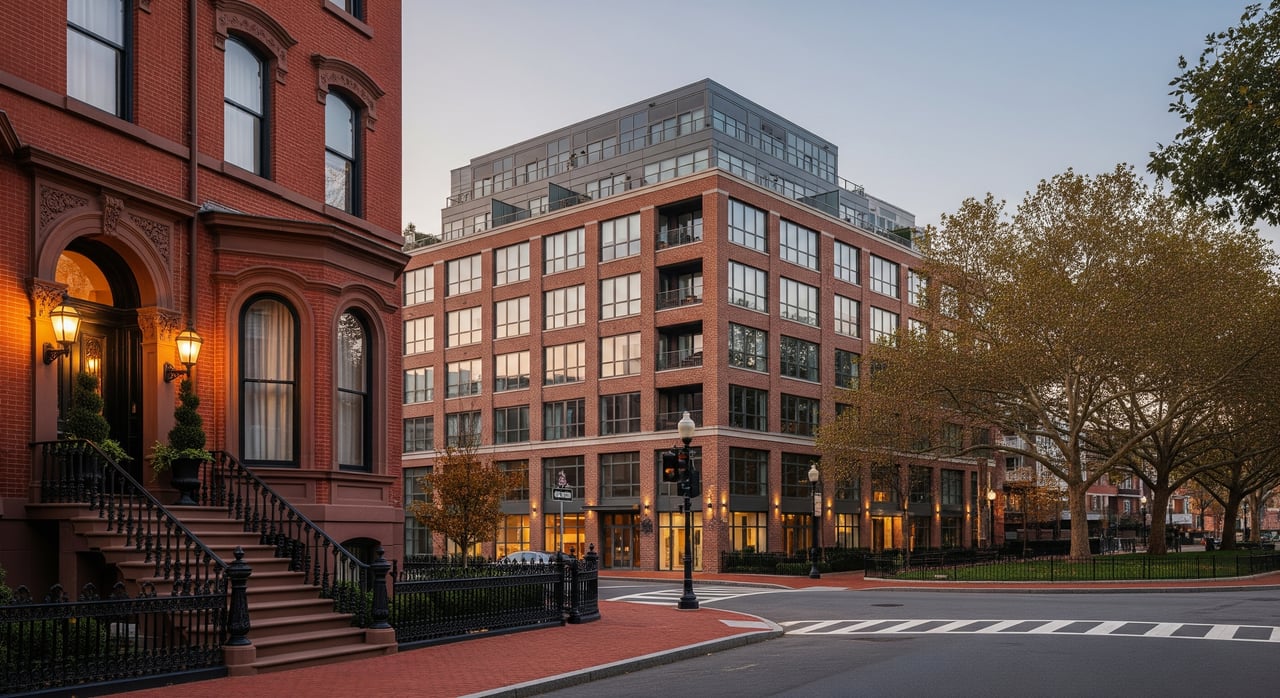
Choosing between a townhouse and a loft-style condo in Logan Circle can feel like comparing two great versions of city living. You want the right mix of space, style, and peace of mind on costs and maintenance. In this guide, you’ll get a clear, local comparison to help you weigh space, fees, noise, financing, and resale. You’ll also get a simple decision framework and a touring checklist you can use this week. Let’s dive in.
Quick snapshot: key differences
- Space and layout: Townhouses offer multi-level living with enclosed rooms. Lofts favor open plans, high ceilings, and flexible layouts.
- Outdoor and storage: Townhouses usually have more private outdoor space and storage. Lofts often have limited private outdoor areas but may offer shared amenities.
- Maintenance and fees: Townhouse owners manage exterior upkeep and costs. Loft condos bundle many costs into monthly fees that can rise over time.
- Privacy and noise: Townhouses have private entrances and yards, though many are attached. Lofts share walls, floors, and ceilings; construction quality drives sound transfer.
- Financing and ownership: Townhouses follow standard mortgage paths. Condos also require lender review of the building’s financial health and rules.
- Resale: Both can sell well in Logan Circle. Building finances matter for condos; condition and maintenance history matter for townhouses.
Space and layout
Townhouse living
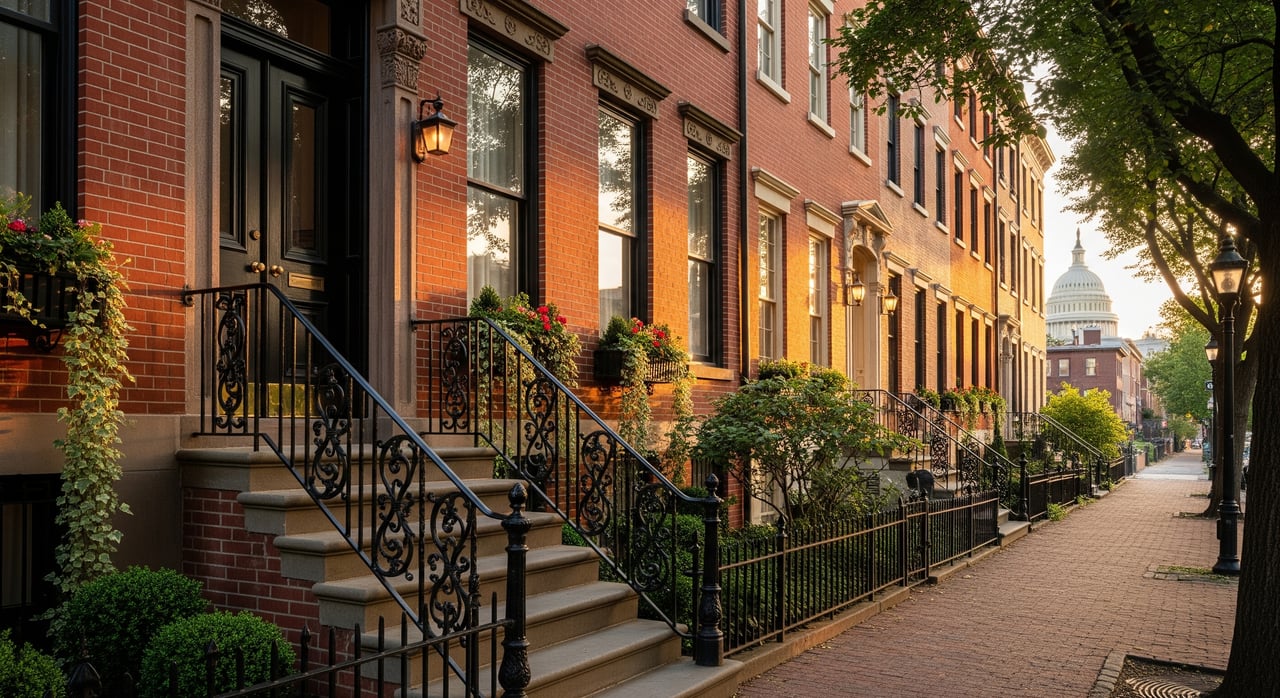
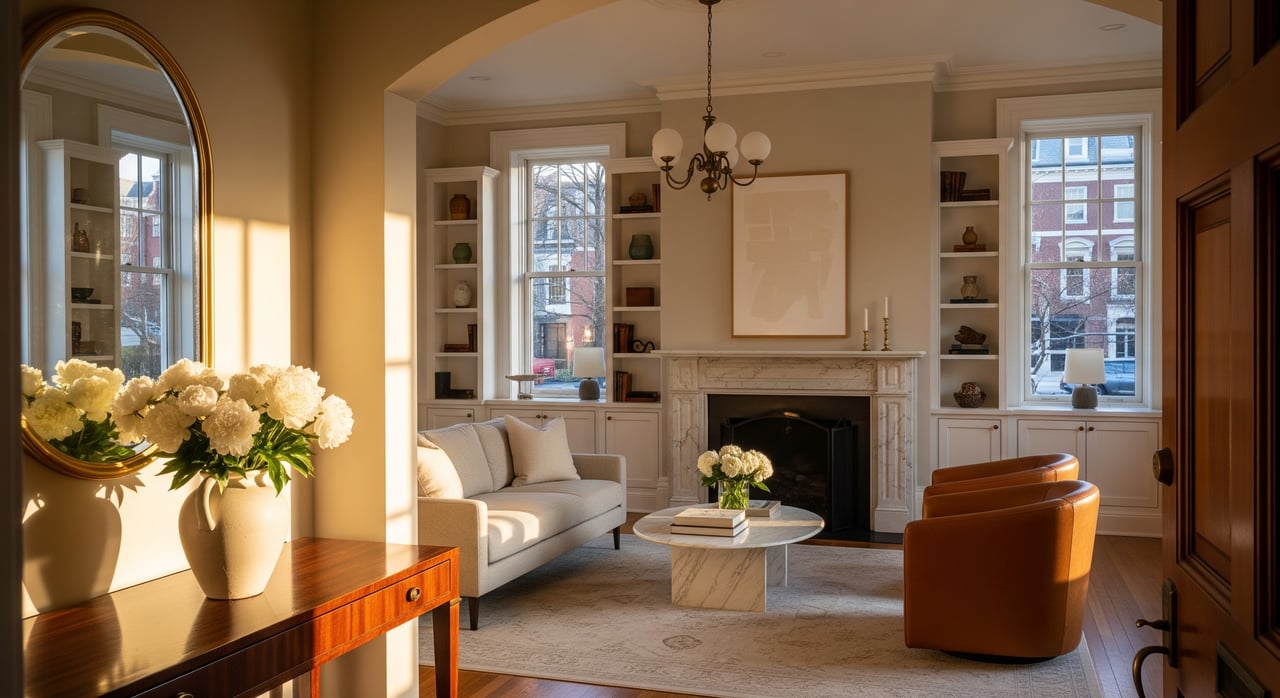
Townhouses in Logan Circle are often historic rowhouses with vertical layouts across 3 to 5 levels, sometimes including basements or attics. Floors tend to separate rooms by function, which is useful if you want defined living, dining, and bedroom spaces. Bedrooms are usually on upper levels, giving separation between private and public areas.
Loft condo living
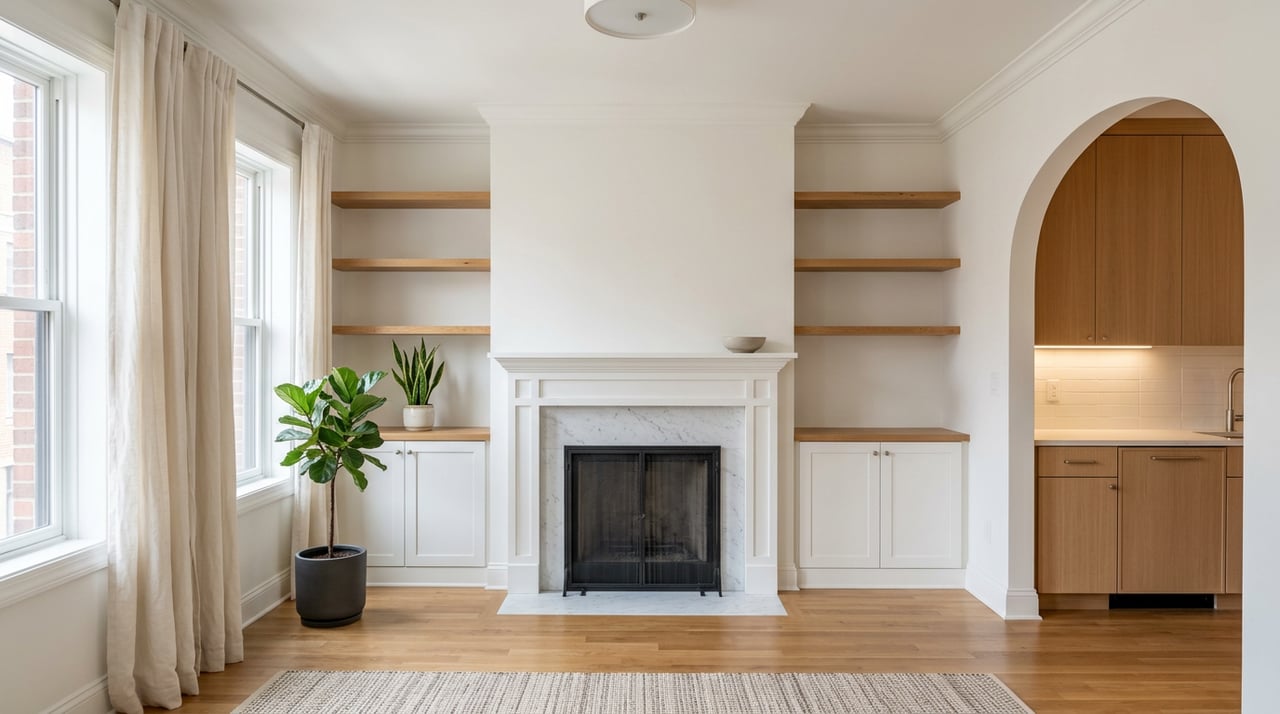
Loft condos emphasize open, airy rooms with high ceilings and large windows. Many are in converted buildings or modern developments with exposed brick or ductwork. Bedrooms may be open or partially enclosed, and some lofts use mezzanine levels. The feel is flexible and modern, but there are usually fewer fully enclosed rooms.
How to choose your layout
- Pick a townhouse if you want multiple enclosed bedrooms, formal rooms, and separation across levels.
- Pick a loft condo if you value open space, natural light, and a flexible, urban aesthetic.
Outdoor space, storage, and parking
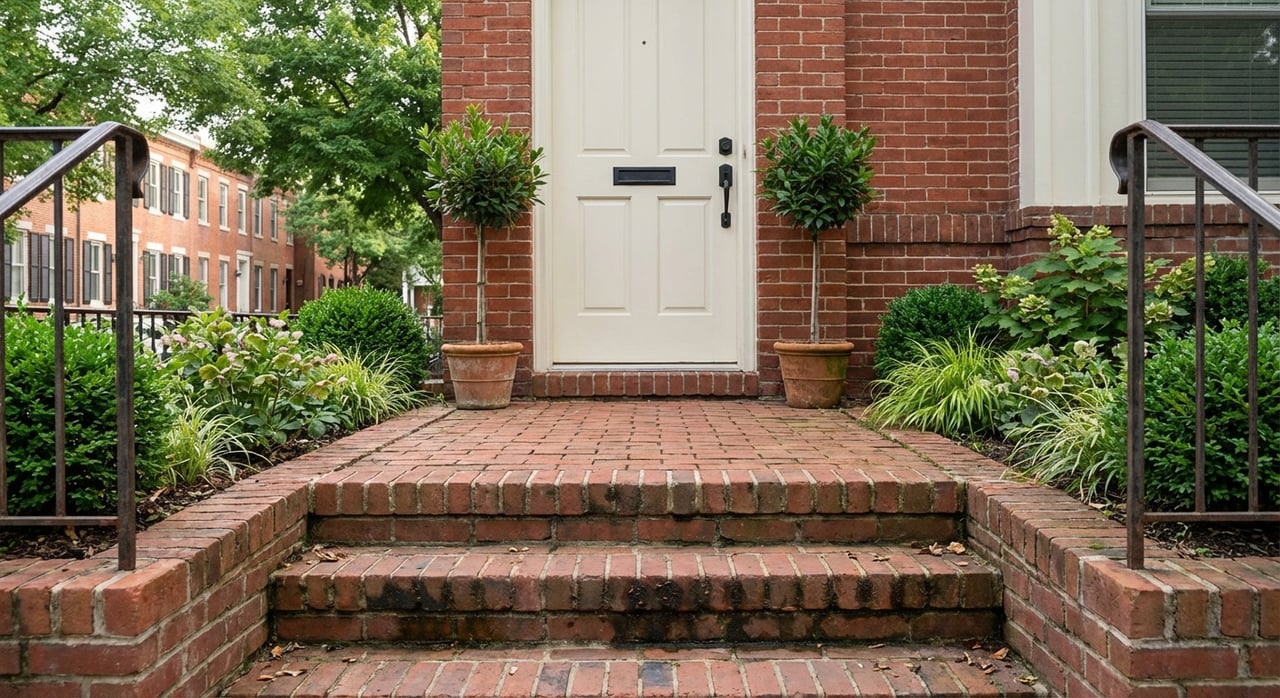
Townhouses often include a small rear yard, courtyard, or roof deck, plus basements or attics for storage. Some properties offer off-street parking through rear alley access, though many rely on street parking rules.
Loft condos may offer a balcony, shared roof deck, or no outdoor space. Storage is typically in-unit closets with a possible storage locker. Parking may be in a building garage and can come with an added cost or be limited.
Tip: If private outdoor space and storage are top priorities, a townhouse usually has the edge.
Maintenance and monthly costs
Townhouse responsibilities
If the townhouse is fee-simple, you are responsible for the structure, exterior, systems, and yard. There is no condo fee, but you should plan for routine and occasional larger expenses. A practical approach is to budget roughly 1 to 3 percent of the property value each year for maintenance and repairs. Actual costs vary by home age, condition, and improvements.
Some townhouses are in HOAs or condo regimes with monthly assessments for shared services. Review the governing documents to confirm what is covered.
Loft condo fees
Condo fees typically cover the building exterior, common areas, amenities, building insurance, reserves, and sometimes utilities. Fees make costs more predictable, but they can be substantial. Special assessments may occur if reserves are low or if major systems need replacement. Always review the budget, reserve study, fee inclusions, and any recent assessments.
Compare total cost of ownership
Create an apples-to-apples view: mortgage, taxes, utilities, and either HOA/condo fees or your estimated maintenance reserve for a townhouse. Revisit the numbers each year to track increases.
Privacy and noise
Townhouses offer private entrances and often private outdoor areas. Many are attached, so party walls matter for lateral sound transfer. Street-level noise varies by block and proximity to restaurants or nightlife.
Loft condos share walls, floors, and ceilings. Sound levels depend on the building’s construction type and soundproofing. Concrete slab buildings often transmit less sound than wood frame. Visit at different times of day and review any history of noise complaints in building records if available.
Financing, insurance, and ownership
Mortgages
Townhouses usually qualify for standard mortgages without building-level underwriting. Condos require lender review of the building’s financials and policies. Small or investor-heavy buildings can limit loan options. Co-ops are less common in DC; confirm the property type before you apply.
Insurance
Townhouse owners insure the structure and contents. Condo owners insure interior finishes and contents, while the building’s master policy covers common areas and the exterior. Confirm the master policy type and deductibles.
Legal and documents
For condos, request the declaration, bylaws, budget, reserve study, meeting minutes, rental and pet policies, and any litigation or special assessments. For townhouses, check permits for past renovations, party wall agreements, easements, and any historic district guidelines that affect exterior work.
Resale and liquidity
Townhouses in good condition with quality renovations, usable outdoor space, and parking often appeal to a wider buyer base. Deferred maintenance or structural issues can hurt resale.
Loft condos can sell quickly when the building is well managed with solid reserves, reasonable fees, and amenities that fit the local buyer profile. Fees, assessments, and low reserves can reduce interest.
Your best guide is recent comparable sales near the exact block or building. Preferences shift over time, so lean on current comps to set expectations.
A simple decision framework
Step 1: Define must-haves vs nice-to-haves
- Must-haves: number of enclosed bedrooms, private outdoor space, parking or garage, pet policies, elevator or step-free access.
- Nice-to-haves: rooftop deck, exposed brick, very high ceilings.
Step 2: Use a weighted score
Create categories and weights you value. Example: Space and layout (20 percent), Outdoor and storage (15 percent), Maintenance predictability (15 percent), Privacy and noise (15 percent), Resale potential (15 percent), Location and commute (20 percent). Score each property 1 to 5, multiply by the weight, and compare.
Step 3: Stress-test the top choice
Spend time in the unit and the block at day and night. Confirm what you are trading off. If the numbers are close, let layout and daily livability break the tie.
Touring checklist
Inside the home or unit
- Square footage and how it was measured
- Enclosed bedrooms and proper egress
- Ceiling heights and window orientation
- Condition and age of HVAC, water heater, windows, roof access
- Storage capacity: closets, basement, or storage locker
Building or property
- Year built and major renovations, with permits if applicable
- Condo reserve study, recent assessments, owner-occupancy rate, rental and pet rules
- For townhouses: structural repair history, party wall agreements, exterior maintenance responsibilities
- Noise sources: street activity, building mechanicals, neighboring units
Financing and ownership
- Condo project approval status for common loan programs
- Insurance responsibilities and master policy details for condos
Neighborhood and parking
- Street parking rules and enforcement on the block
- Access to Metro, bus routes, and bike lanes
- Proximity to 14th Street and nearby amenities
Local due diligence in Logan Circle
- Review recent comparable sales by building type within the past 6 to 12 months.
- Check DC property tax assessments and trends for operating cost estimates.
- Request 12 months of utility bills when possible.
- Order a comprehensive home inspection. Add radon, lead, or asbestos testing if appropriate for the property’s age.
- Walk the block at different times of day and week to gauge noise and activity.
- For townhouses: confirm boundaries, rear or alley access, permits for past work, and maintenance records for roof, foundation, and systems.
- For condos: obtain the full condo packet, budget, minutes, reserve study, and any pending litigation or special assessments.
Who each option fits
Best fit for townhouses
Buyers who want multi-bedroom layouts, private outdoor space, and more storage often prefer townhouses. It is also a good match if you want control over your property and are comfortable planning for exterior maintenance.
Best fit for loft condos
Singles or couples who value open space, high ceilings, and low exterior maintenance often lean toward loft condos. Predictable monthly fees and building amenities can be a plus if that fits your lifestyle.
Final thoughts
In Logan Circle, both townhouses and loft condos offer strong value. Your decision comes down to how you live day to day, your tolerance for maintenance, and the building or property’s financial health. If you keep your must-haves clear and compare total monthly costs, you will make a confident choice.
If you want local, step-by-step guidance as you compare options and tour properties, reach out to Maggie Daley to schedule a consultation.
FAQs
What costs differ between a Logan Circle townhouse and a loft condo?
- Townhouses have no condo fee but owners cover exterior maintenance; loft condos have monthly fees covering many building costs that can rise or include special assessments.
Are loft condos in Logan Circle harder to finance than townhouses?
- Sometimes; condos require lender review of the building’s budget, reserves, and owner-occupancy, which can affect loan options compared to fee-simple townhouses.
Do Logan Circle townhouses require more maintenance than loft condos?
- Yes; townhouse owners manage the structure, roof, exterior, and yard, while condo buildings handle most exterior work funded by monthly fees.
Which has better resale value in Logan Circle: townhouse or loft condo?
- Both can resell well; townhouses benefit from space and outdoor areas, while loft condos benefit from solid building finances, amenities, and reasonable fees.
How can you evaluate noise in a Logan Circle loft condo before buying?
- Ask about construction type and soundproofing, review any noise complaints in building records, and visit at different times to test street and neighbor noise.