Buying a condo in Dupont Circle is exciting, but the condo resale package can feel like a maze. You might wonder what matters most, whether the association is well run, and if any hidden costs are coming your way. With the right approach, you can read these documents quickly and make a confident, informed decision. This guide breaks down what to look for, Dupont‑specific considerations, and how to spot red flags before you commit. Let’s dive in.
What a DC condo resale package is
A resale package is the association’s disclosure set for buyers. It explains the building’s rules, finances, insurance, and any issues that could affect your ownership or loan. Buyers, their attorneys, and lenders use it to evaluate risk and confirm fit. Plan time in your contract for delivery and review, since associations often charge a fee and need several days to prepare it.
The key documents you will see
Governing documents
These include the Declaration, Bylaws, and Rules and Regulations. They define what you own inside the unit versus common elements, how the board operates, and the day‑to‑day rules you will live by. Look for voting rights, amendment procedures, and enforcement language. If you plan to renovate, review any architectural guidelines closely.
Financials
Expect the current operating budget, recent financial statements, and the most recent reserve study with the reserve fund balance. Review the schedule of common charges and what is included, plus records of past or pending special assessments. Check for notes on upcoming capital projects and any delinquency reports. Stable budgets and transparent capital plans are positive signs.
Insurance
You should receive a certificate for the master policy with coverage types, carrier, limits, and deductibles. Confirm whether the policy is all‑in or bare walls and whether there is Directors and Officers and fidelity coverage. Pay special attention to water damage and building deductibles. You will still need an HO‑6 policy for interior finishes, personal property, and loss assessment coverage if required.
Legal and compliance
Look for any litigation summaries and municipal or code violations. Lawsuits tied to structural defects or building systems can be costly. If the building is in a historic district, note any related notices. Significant legal exposure can affect your monthly costs and the building’s ability to complete projects.
Minutes and communications
Recent board and annual meeting minutes reveal how issues are handled, whether maintenance is proactive, and how owners and management work together. Scan for recurring problems like leaks, elevator downtime, or pest complaints. Minutes can also preview special assessments under discussion. A calm, professional tone and clear follow‑through are strong indicators of good governance.
Unit‑specific and operations
This part typically includes the estoppel or resale certificate that confirms monthly charges, whether the seller is current, and any unit violations. You may also see parking or storage assignments, moving rules, and utility setups. If parking is important in Dupont, confirm whether it conveys or if there is a waitlist. Clarify any fees for move‑ins and elevator reservations.
Lender and occupancy items
If you plan to use FHA or VA financing, ask whether the project holds the appropriate approvals. Lenders often review rental caps, owner‑occupancy levels, and single‑entity ownership concentration. Expect additional questions if many units are rented or if delinquencies are elevated. Factor this review into your closing timeline.
How to read the numbers
Monthly fees and what they include
Start with the monthly common charge and the services it covers. In Dupont, older or full‑service buildings may include heat, water, or staff costs, which can raise fees but reduce your outside expenses. Look at trends over the past few years to see if increases are predictable. Ask about long‑term vendor contracts that affect future budgets.
Reserves and the reserve study
Review the most recent reserve study, ideally completed within the last 3 to 5 years, and compare it to the current reserve balance. Check whether contributions match the study’s recommendations. Low reserves can lead to special assessments or deferred maintenance, especially in smaller boutique buildings. Planned capital projects without a funding plan are a red flag.
Delinquencies
Scan the accounts receivable report for total delinquencies and the percentage of units that are late. High delinquency can undermine the budget and worry lenders. As a general caution, delinquency meaningfully above typical norms can be a concern, especially in smaller associations where one unit can skew the numbers. Ask about the collections policy and recent trends.
Special assessments and litigation
Track any special assessments that are pending or discussed in minutes. Understand purpose, amount, and payment schedule. Litigation tied to structural defects, building envelope issues, or developer disputes can be costly and may limit lending options. Consider negotiating credits or holdbacks if exposure is significant.
Rules that affect daily life
Leasing and short‑term rentals in DC
Read the leasing rules for minimum lease terms, rental caps, and application procedures. Short‑term rentals in Washington, D.C. require city registration and must comply with association policies, which often restrict or prohibit them. If you plan to Airbnb, verify both local requirements and building rules before you make an offer. Lenders may also review investor ratios during underwriting.
Pets, smoking, and move‑ins
Check pet policies for size, number, and breed restrictions. Review smoking rules and any fines tied to violations. Confirm move‑in scheduling, elevator reservations, and fees so you can plan your logistics. Clear, consistently enforced rules help maintain building harmony and protect property values.
Renovations and historic districts
If you plan to renovate, study the architectural review process, required permits, work hours, and contractor insurance. Many Dupont buildings fall within historic districts, which can affect exterior elements like windows and entries. Even interior changes can implicate exits or egress windows. Ask about typical approval timelines so you can plan your project.
Dupont Circle specifics to keep in mind
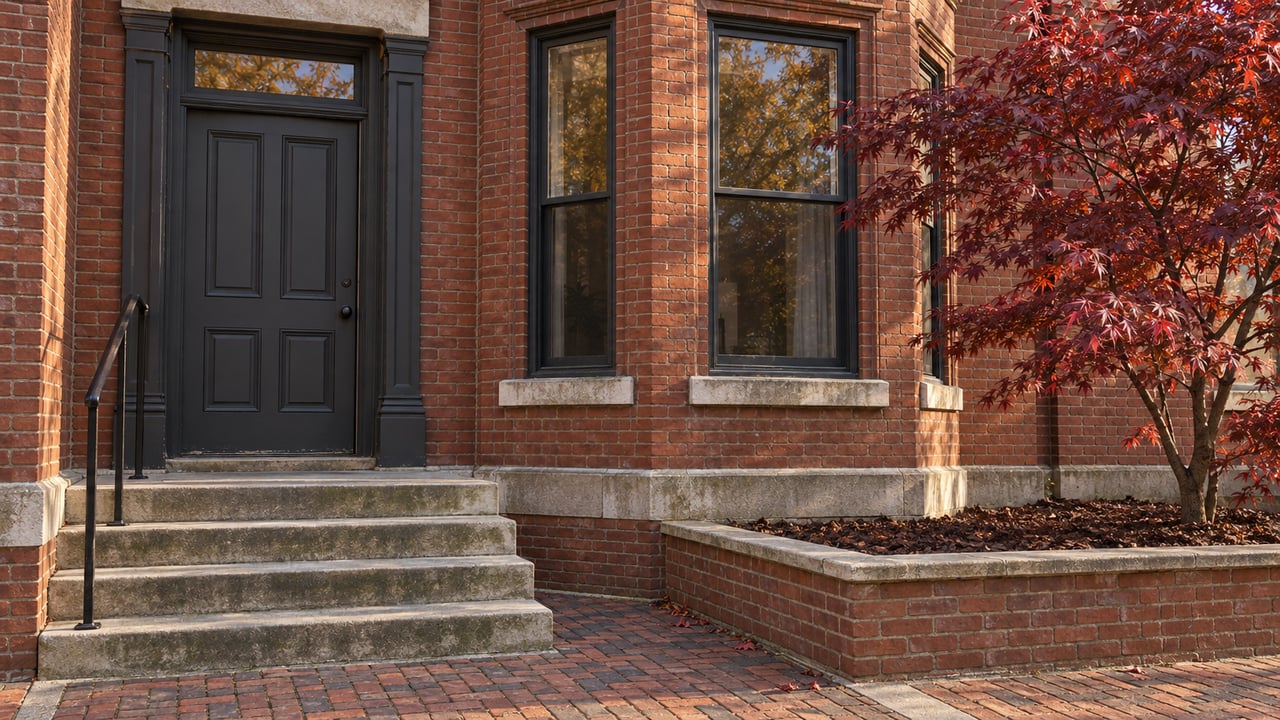
Many Dupont buildings are converted rowhouses or boutique low‑rises with smaller associations. Smaller associations often have smaller reserve pools, which increases the importance of reviewing the reserve study and special assessment history. Parking is limited, so written confirmation of any space or waitlist matters. For landmark buildings, review façade, roof, and elevator planning carefully, since capital work can be substantial.
Red flags and how to respond
- Large pending special assessment without a clear funding plan or schedule.
- Litigation tied to structural defects, roof or façade failures, or developer claims.
- No recent reserve study and a low reserve balance for an older property.
- Master insurance with very high deductibles or gaps, or missing D&O or fidelity coverage.
- Delinquencies that meaningfully exceed typical norms for the building type.
What to do next:
- Request missing documents or more detail, such as audited financials or board resolutions that authorize projects.
- Ask for seller credits or escrow holdbacks to address known assessments or risks.
- Confirm your lender’s project approval requirements early if you are using specific financing.
- For complex issues, consider involving a D.C. condominium‑savvy attorney.
Your due‑diligence checklist
Documents to request
- Declaration, Bylaws, Articles, Rules and Regulations, and Architectural Guidelines.
- Current operating budget and the last 2 to 3 years of financial statements.
- Most recent reserve study, current reserve balance, and contribution schedule.
- Estoppel or resale certificate and a schedule of common charges with any planned increases.
- Master insurance certificate and any available loss history.
- Board and annual meeting minutes for the past 12 to 24 months.
- List of pending or proposed special assessments and capital projects.
- Litigation summary and relevant correspondence.
- Parking or storage assignment documentation and waitlists.
- Any municipal or historic preservation notices affecting the property.
Questions to ask management or the board
- Are reserve contributions being made per the reserve study, and if not, why not?
- Are any major projects or assessments planned within the next 12 to 36 months?
- How many units are owner‑occupied versus rented, and is there a rental cap?
- Are there material claims or active disputes with vendors or contractors?
- Does the association use a management company, and what are the contract terms?
- What are typical renovation approval timelines and requirements?
Timing and costs
- Associations often charge a fee for resale certificates and need time to compile documents.
- Delivery can take a few business days to a few weeks, so build this into your contingency timeline.
- Lender project reviews can add time, especially for FHA or VA loans.
Financing and resale implications
Lender approval can hinge on project factors like reserves, litigation, insurance, and owner‑occupancy. If you rely on FHA or VA financing, verify the project’s eligibility early. Rental caps and investor ratios can affect both financing and future resale demand. Historic district rules can impact renovation timing and costs, which in turn can influence your longer‑term plans and exit strategy.
Bottom line
A solid Dupont condo purchase starts with a careful reading of the resale package. Focus first on monthly fees, reserve strength, and any assessments or litigation, then confirm rules that affect your daily life and goals. With a structured review and the right questions, you can avoid surprises and buy with confidence.
If you want a second set of eyes on a resale package or need guidance on financing and timelines, reach out to Maggie Daley to schedule a consultation.
FAQs
What is included in a DC condo resale package?
- Typically governing documents, financials, reserve study, insurance certificate, minutes, litigation and violations summaries, and a unit‑specific estoppel or disclosure.
How long does it take to receive and review the package?
- Delivery often takes a few business days to a few weeks depending on management, so include enough time in your contract to read and ask follow‑up questions.
What reserve study details should I focus on in Dupont?
- Look for a study completed within 3 to 5 years, current reserve balance, and whether contributions follow recommendations, especially in smaller boutique buildings.
How do FHA or VA loans affect my condo choice?
- Your lender may require project eligibility and documentation, so verify approval status early and expect extra review of reserves, litigation, delinquencies, and rental ratios.
Are short‑term rentals allowed in Dupont Circle condos?
- Short‑term rentals must follow D.C. registration rules and your association’s policies, and many buildings restrict or prohibit them, so confirm both before you buy.
What insurance do I need as an owner?
- You will need an HO‑6 policy to cover interior finishes, personal property, and loss assessment if required, since the master policy does not cover everything inside your unit.