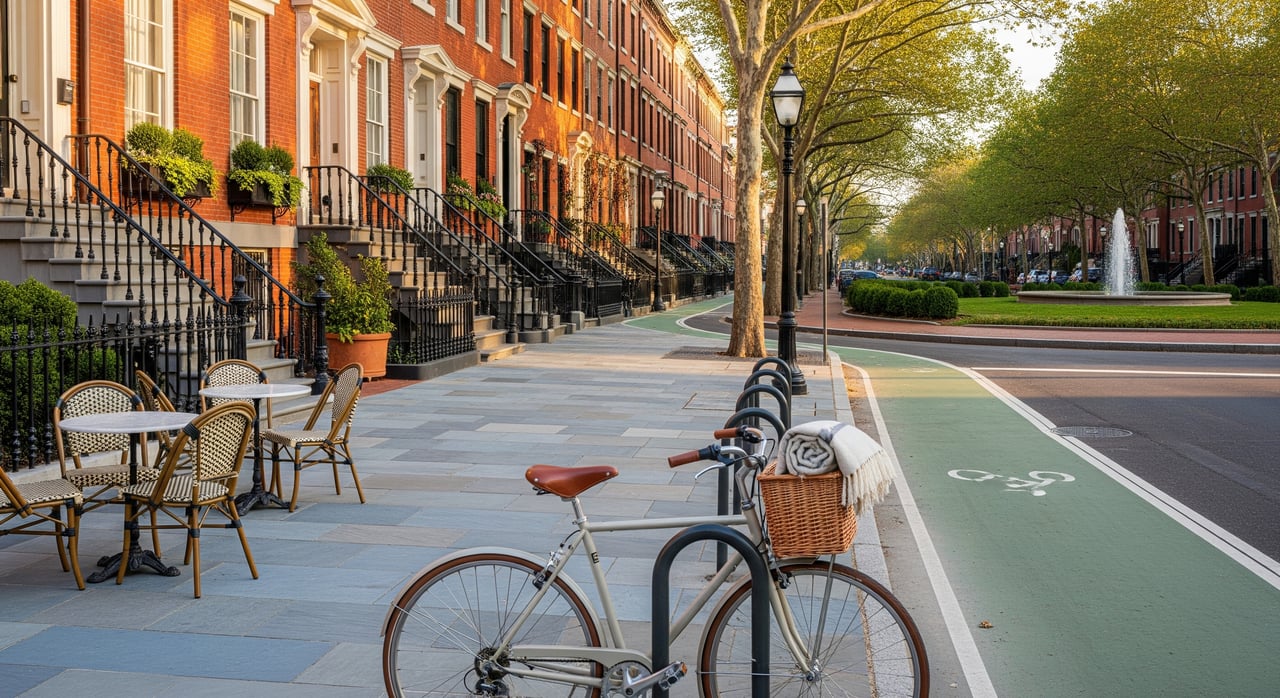
Thinking about ditching your car in Logan Circle? You are not alone. Many urban professionals choose this neighborhood for its quick commutes, walk-to-everything lifestyle, and the freedom that comes with fewer parking headaches. In this guide, you will learn how to get around, handle daily errands, and choose a home that supports a car-free routine. Let’s dive in.
Why Logan Circle works car-free
Walkability and location
Logan Circle is compact and central, which makes daily life simple without a car. Short blocks connect you to groceries, coffee, gyms, and most errands. Independent services like Walk Score rate the area among DC’s most walkable neighborhoods, reflecting how close you are to essentials.
You sit near major corridors like 14th Street NW and P Street NW, so most trips are a quick walk. If you plan your week around your feet or a bike, you will find the neighborhood layout works in your favor.
Metro access within minutes
Several Metrorail lines are reachable on foot, typically within 8 to 20 minutes depending on your block. That puts downtown, Capitol Hill, and regional connections within easy reach. Service is most frequent on weekdays during peak times, and late-night schedules vary by line. For the latest frequency and trip planning, use WMATA’s site.
Buses and DC Circulator
High-frequency Metrobus routes run along 14th Street NW and nearby north–south streets, providing reliable trips to downtown and neighborhood destinations. The DC Circulator connects key nodes like Dupont Circle and Penn Quarter, which helps for quick cross-town hops. Check route maps and times before you go so you can choose the fastest option.
Bikes and scooters at your door
You will find multiple Capital Bikeshare stations within a few blocks of most addresses in Logan Circle. Bikeshare is ideal for last-mile connections or quick errands. Dockless bikes and e-scooters also operate under DC’s shared micromobility program, so you often have a device nearby when you need it.
DC continues to expand protected bike lanes and bike-friendly routes in central neighborhoods. If you plan to bike regularly, review the latest network and projects on DDOT’s bicycle pages.
Rideshare, taxis, and regional trips
Rideshare and taxis are easy to hail for late-night returns, heavy items, or airport trips. For regional travel, you can pair Metro with rideshare to reach Union Station, L’Enfant Plaza, or the airports without the stress of parking.
Daily life without a car
Groceries and markets
Supermarkets, small grocers, and specialty food shops cluster along the 14th Street corridor and nearby blocks. Many offer online ordering, curbside pickup, or delivery through services like Instacart or Amazon, so you can plan bulk items for days you do not want to carry a lot.
Weekend farmers markets in nearby neighborhoods add fresh produce and specialty items to your routine. Scan community calendars to catch seasonal events and pop-ups.
Pharmacies and healthcare
Pharmacies and urgent care clinics are within walking distance in and around Logan Circle. For specialty care or hospital visits, a short transit ride or rideshare usually does the trick. Primary-care and dental offices are common in central DC, which helps keep routine appointments car-free.
Childcare and schools
If you are raising kids, you will find daycare, preschool, and school options across central DC. Families often pick locations based on walkability to childcare and easy transit routes. For daily logistics, many parents rely on foldable strollers, cargo bikes, or occasional rideshares.
Fitness, services, and deliveries
Gyms, yoga studios, laundromats and dry cleaners, barbershops and salons, and everyday services line nearby commercial streets. Most are an easy walk or quick bikeshare ride. Package delivery is well-supported, and many buildings have package rooms or lockers. When touring homes, confirm whether a building offers a secure package area or concierge.
Big purchases and move days
For furniture or appliances, schedule store delivery or choose white-glove services so you avoid truck rentals. If you prefer to transport items yourself, short-term rentals or rideshares with cargo space can bridge the gap. For move-ins, coordinate elevator reservations and any loading zone permits with your building in advance.
Parking and car ownership tradeoffs
Street parking and permits
Curb space in central DC is regulated and often limited. Residential Parking Permit zones, meters, and time limits vary by block, and enforcement is active. If you plan to keep a car, review rules on DDOT’s Residential Parking Permit page and confirm the zone for your address before you buy.
Garages and the true cost of a car
Garage parking is available, but monthly rates in central DC can be pricey. When you add insurance, maintenance, and permits, many residents find that occasional rideshare or short-term car rentals cost less than owning a vehicle they rarely use. Run the numbers based on your habits to see what fits your budget.
Short-term car access when you need it
Carshare memberships and peer-to-peer rentals are useful for infrequent trips or weekend getaways. Many urban residents also rely on ride-hail for late-night returns or bulky purchases. If you expect to drive only a handful of times per month, these options help you stay flexible without the fixed cost of ownership.
What to look for in a car-free home
Building features that help
When you are shopping, prioritize buildings with:
- Secure bicycle storage or a bike room
- A package room or concierge for deliveries
- In-unit or in-building laundry
- Easy curb access for ride-hail pickup and deliveries
EV charging is a plus for households that may share or occasionally keep a plug-in vehicle, but it is not essential if you plan to stay fully car-free.
Property types and parking expectations
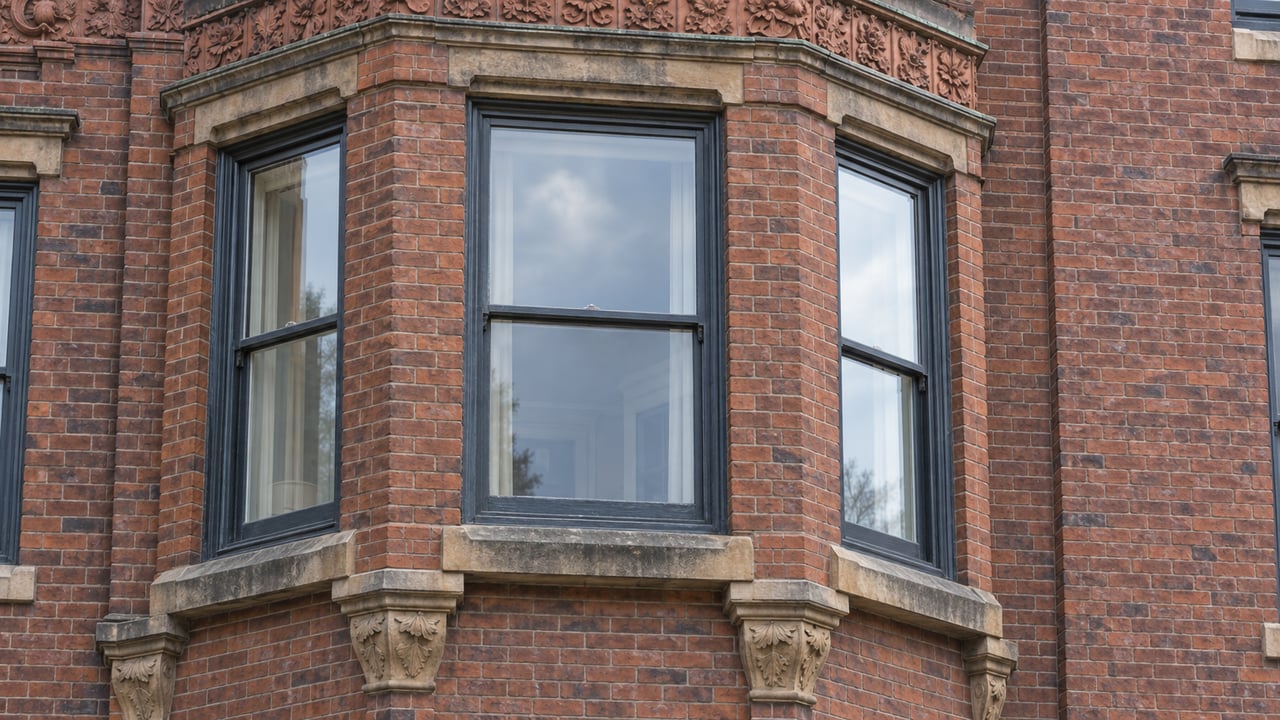
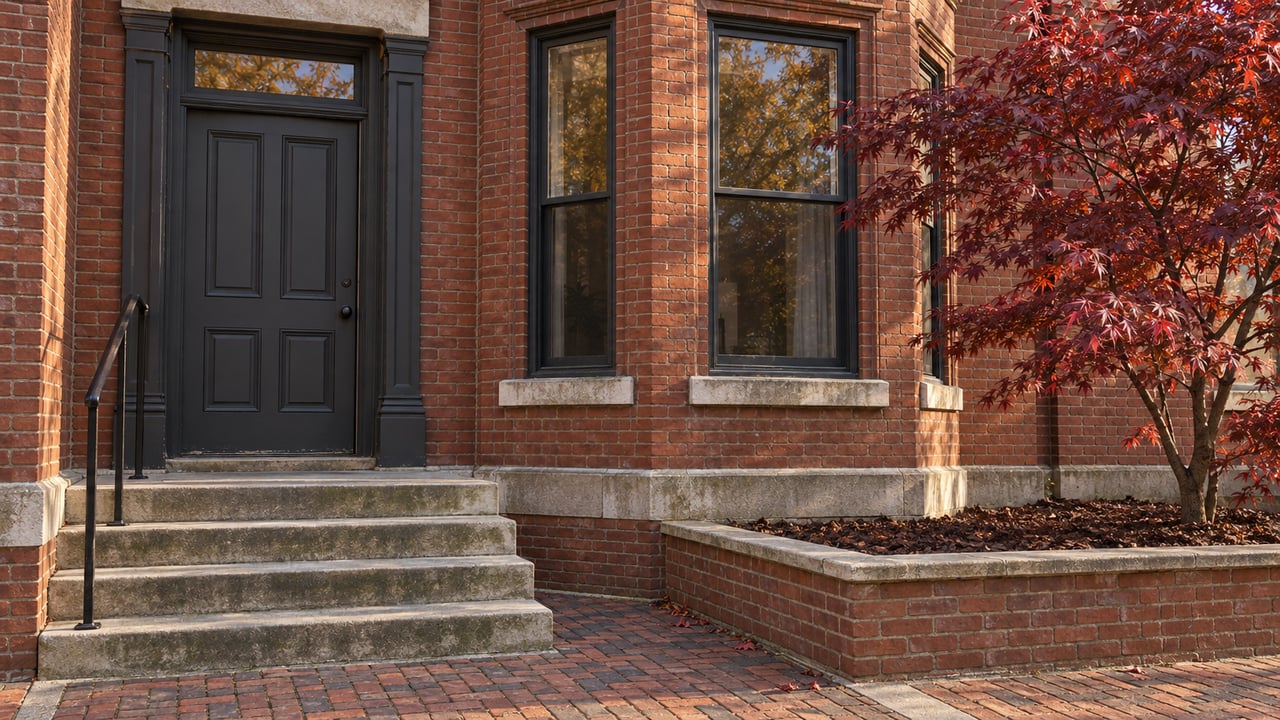
Vintage rowhouses and many condo conversions may not include private parking. Newer condos sometimes offer assigned or paid garage spaces. If your goal is car-free living, you can often save by choosing a property without a deeded spot and focusing on transit access, bikeshare proximity, and daily services.
Touring tips and cost checks
Before you make an offer, do a quick lifestyle trial:
- Walk from the property to your likely Metro station, grocery store, gym, and pharmacy at the times you will use them. Use WMATA for route checks.
- Confirm bikeshare station locations and pricing on Capital Bikeshare.
- Review bike routes and protected lanes on DDOT’s bike network pages.
- If you might keep a car, study RPP rules and hours on DDOT’s RPP page and compare the cost of garage parking to your expected rideshare and transit use.
Airport and regional travel
Reagan National Airport is usually a straightforward Metro ride via the Yellow or Blue lines, or a 15 to 30 minute rideshare depending on traffic. Dulles and BWI take longer and often require a Metro plus rideshare connection or a train. Plan ahead for flight days and give yourself a buffer for transfers.
A realistic weekly rhythm
- Weekdays: Bike or walk to morning coffee, hop on Metro or a frequent bus for work, and swing by a grocer on your way home. Most errands fit into a short evening loop.
- Weeknights: Use rideshare for late dinners if transit is running less frequently, or check schedules on WMATA so you avoid long waits.
- Weekends: Hit a farmers market, explore nearby neighborhoods by bikeshare, and schedule large-item deliveries when you will be home.
Work with a local advisor
Choosing the right home is the key to a smooth car-free lifestyle. A block or two can change your daily rhythm, from the walk to Metro to the availability of package rooms or bike storage. If you want expert guidance on condo buildings, amenity stacks, and street-by-street logistics in and around Logan Circle, reach out to Maggie Daley. You will get a consultative, neighborhood-first approach backed by full-service marketing and deep DC experience.
FAQs
How long are typical car-free commutes from Logan Circle?
- Many commutes to downtown or K Street are under 30 minutes using Metro, frequent bus routes, or bike. For specifics, plan your trip on WMATA.
Is grocery shopping practical without a car in Logan Circle?
- Yes. You can walk to supermarkets and specialty shops, use delivery for bulk items, or combine errands with bikeshare for faster trips.
How do I get to the airports without driving?
- DCA is commonly reached via the Yellow or Blue lines or a short rideshare. Dulles and BWI usually require a longer Metro plus rideshare or train connection.
What building amenities matter most for car-free living?
- Look for secure bike storage, a package room or concierge, in-unit or in-building laundry, and easy curb access for ride-hail and deliveries.
What should I know about parking if I keep a car?
- Central DC has RPP zones, meters, and time limits. Review rules on DDOT’s RPP page and compare garage costs to your likely rideshare and transit expenses.
Are bikes and scooters easy to find in Logan Circle?
- Yes. Capital Bikeshare stations are dense, and dockless bikes and scooters operate under DC’s shared micromobility program. Check DDOT for system details and bike network maps.