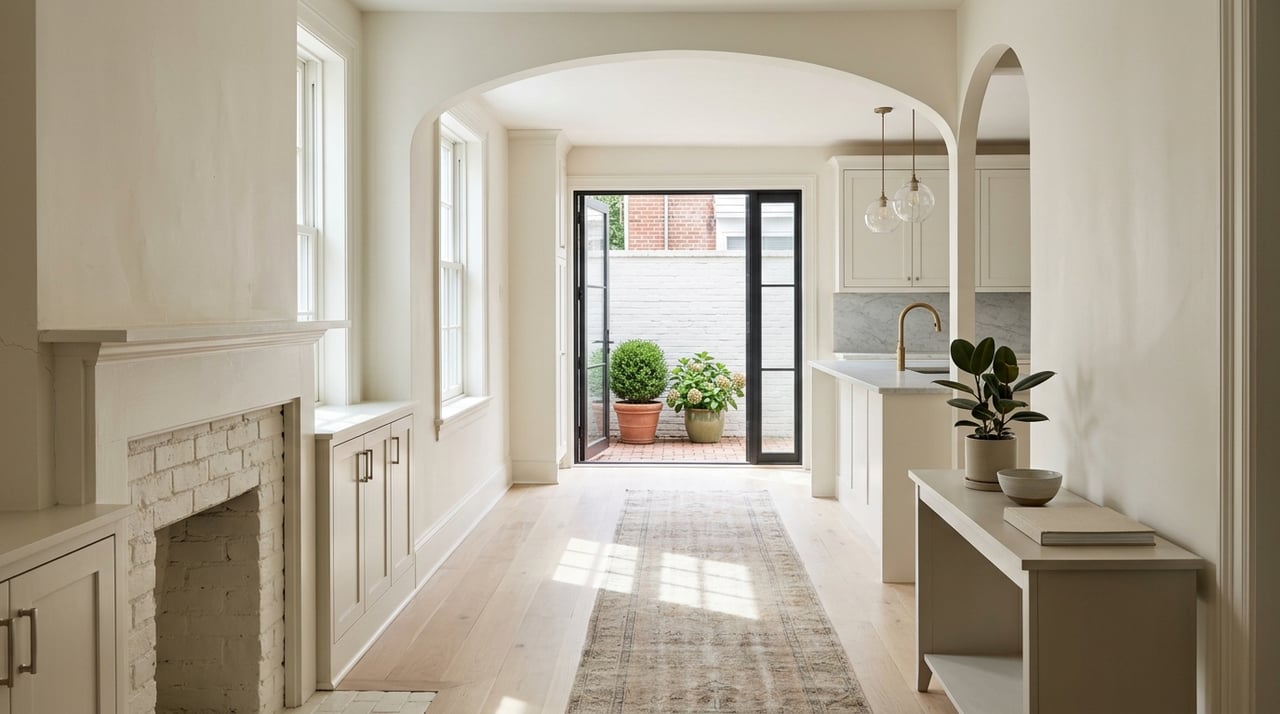
Looking at Capitol Hill rowhouses can feel deceptively simple at first. From the sidewalk, many homes share the same red-brick rhythm and historic charm, but once you step inside, the layout can change how the home lives day to day. If you are trying to decide between a more traditional floor plan, an opened-up main level, or a home with a basement or rear addition, this guide will help you focus on what matters most as you tour. Let’s dive in.
Why Capitol Hill layouts vary
Capitol Hill is not a neighborhood of one standard rowhouse plan. The Capitol Hill Historic District includes about 200 city squares and roughly 8,000 buildings, with much of its growth taking place between 1880 and 1893. That long period of development helps explain why homes can look related from the outside while offering different interior arrangements.
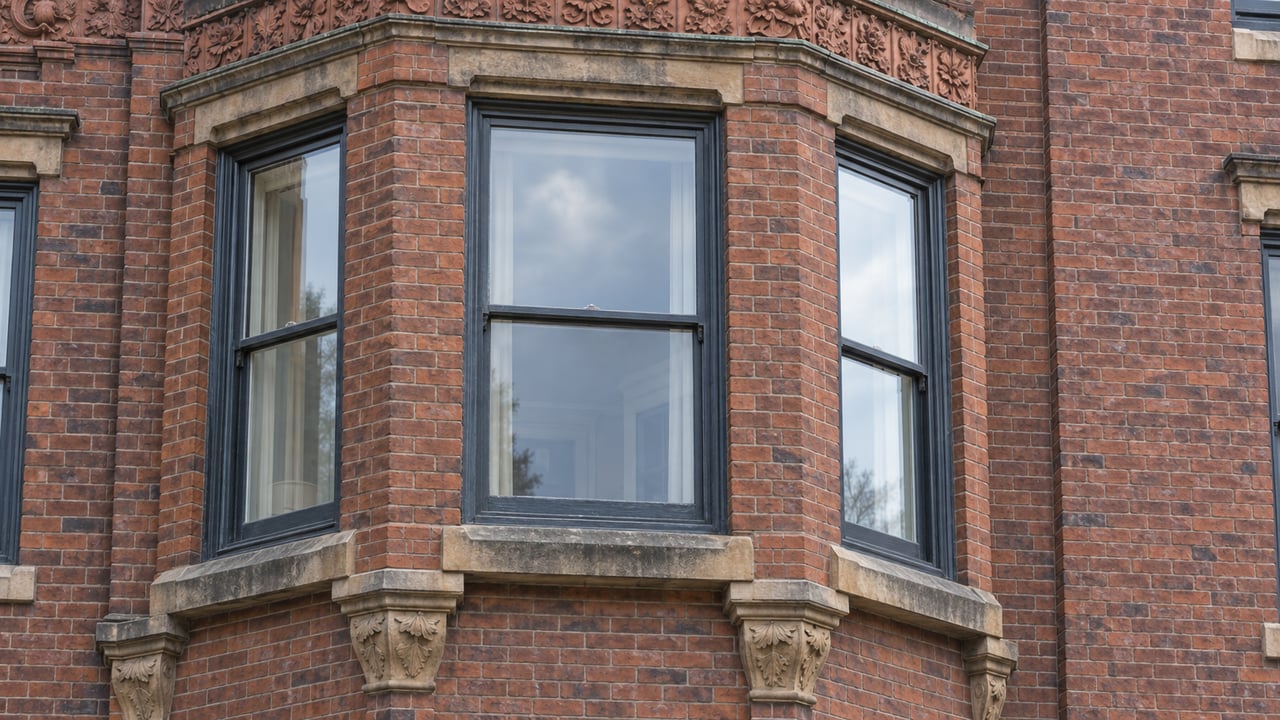
You will also see variation in exterior style, including flat-front Italianate, Queen Anne, and Romanesque Revival examples. Inside, many homes began with a classic rowhouse layout, but later renovations often changed how rooms connect and function. That means the best layout for you depends less on curb appeal alone and more on how the interior supports your everyday life.
The classic Capitol Hill rowhouse plan
Historically, rowhouses often followed a familiar sequence. The National Park Service describes a layout with a side hallway, a front living room or double parlor, a dining room behind it, a kitchen at the back or in a partially below-grade basement, and bedrooms above.
This layout tends to feel more compartmentalized than newer homes or heavily renovated properties. Instead of one large shared space, you get a series of defined rooms with clear boundaries between living, dining, cooking, and sleeping areas.
Why buyers like traditional layouts
A traditional plan can be a strong fit if you want distinct rooms and more privacy. It often works well for buyers who like a separate front room, a dedicated dining area, or a quieter setup for working from home.
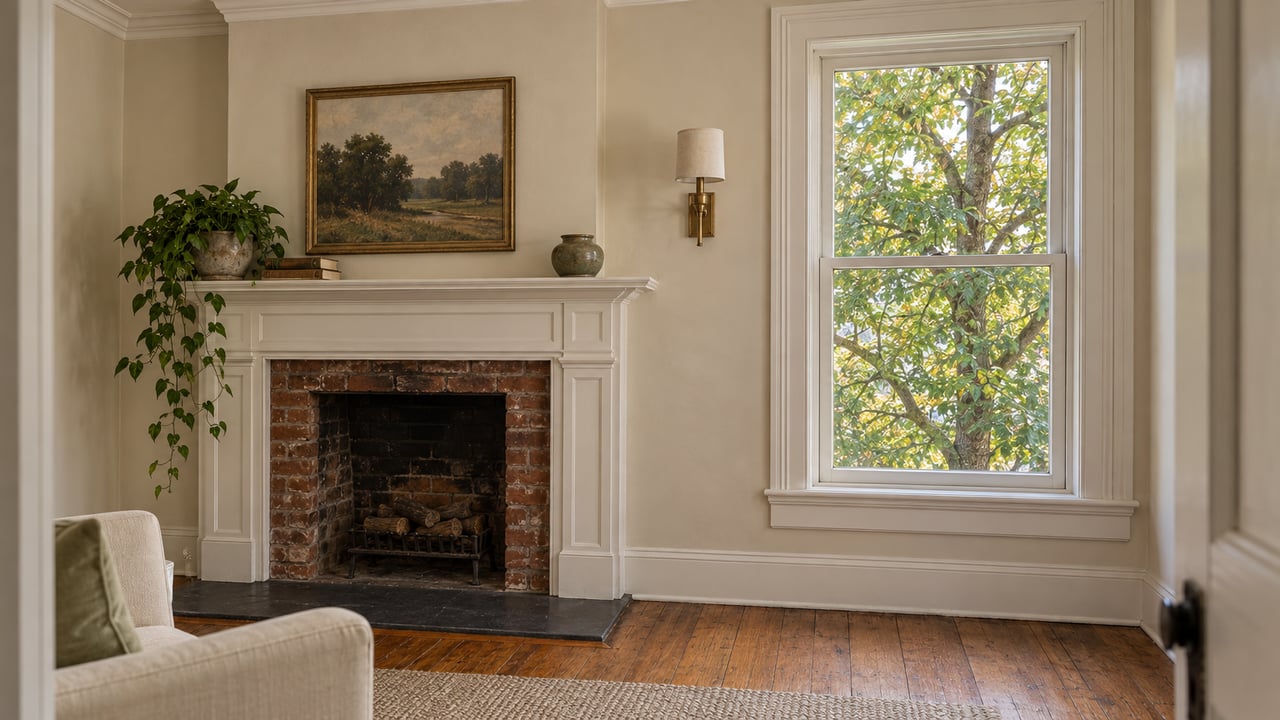
It can also appeal to buyers who value a more intact historic interior. Original room relationships and the sense of progression from front to back are part of what gives many Capitol Hill houses their character.
What to consider in a traditional plan
A more segmented layout is not automatically better or worse. The key question is whether you actually want separation between spaces or whether it will feel limiting in daily use.
If you cook often, entertain casually, or like to keep an eye on multiple activities at once, smaller separated rooms may feel less connected. On the other hand, if you want rooms that can serve different purposes without visual overlap, that same layout may feel more functional.
Opened-up main levels
Many Capitol Hill rowhouses have been renovated to create a more connected main floor. In these homes, some walls between the front and rear rooms may be removed or reduced, which can improve sightlines and create a more open flow.
This type of layout often changes how the house feels immediately. Instead of moving from one room to the next in sequence, you experience the main level as a larger shared living zone.
When an open layout makes sense
An opened-up main level can work well if you want space for cooking, gathering, and everyday living to happen in one connected area. If you host often or prefer a more modern feel inside a historic shell, this layout may be especially appealing.
It can also make a narrower rowhouse feel visually larger. Better sightlines from front to back can bring in more light and help the main floor feel less compartmentalized.
What to weigh in an open layout
The National Park Service notes that the entry and stair hall, along with the first and second rooms on the main living floor, are the most significant interior spaces and should be changed carefully. For you as a buyer, that means it is worth noticing how much of the original structure remains and whether the renovation still feels balanced.
Not every open plan feels equally successful. Some retain a sense of proportion and period character, while others can feel as if too much was removed. As you tour, ask yourself whether the space still has definition where you want it, especially around the entry, stairs, and front living area.
English basements and lower-level flexibility
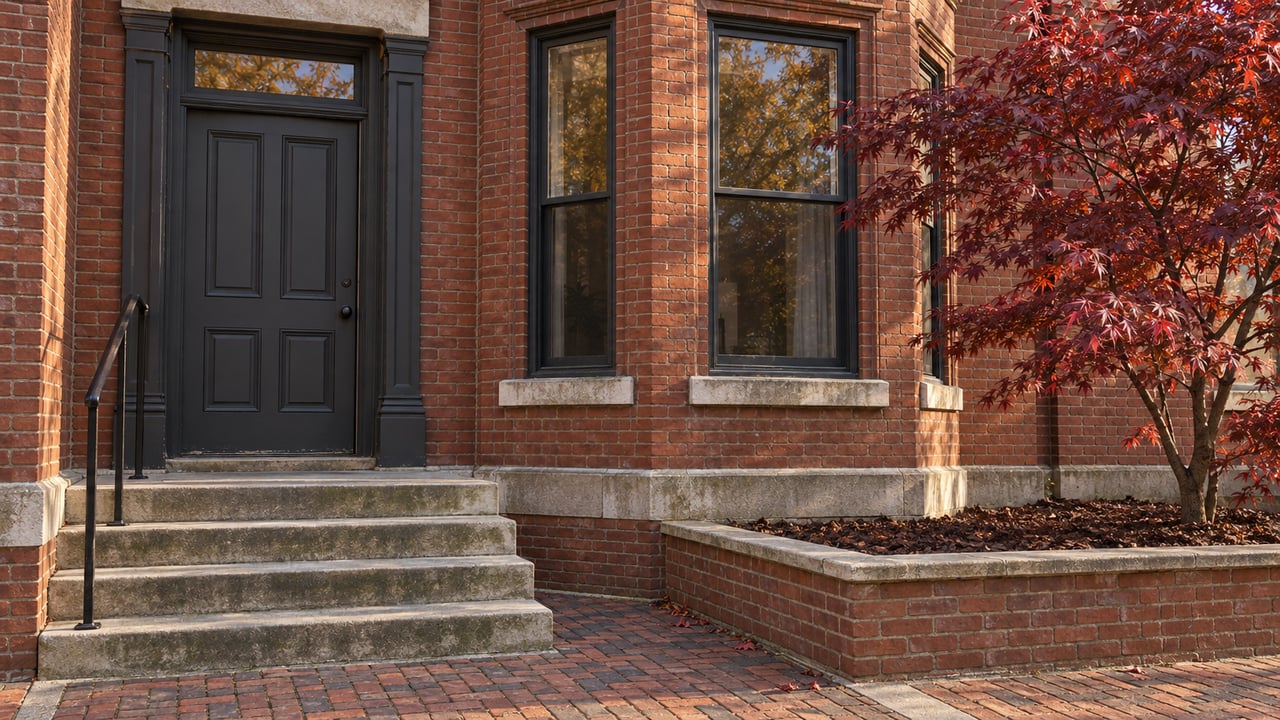
In Washington, many 19th-century rowhouses were built with a raised basement, also called an English basement. This design was intended to allow light and air into the lower level, which is one reason these spaces can offer more day-to-day usability than a fully subterranean basement.
For buyers, an English basement can add flexibility. Depending on the configuration, it may serve as guest space, a home office, bonus living area, or another practical extension of the house.
Why buyers value English basements
If you want options, a lower level can be a major advantage. You may use it for visiting friends or family, a quieter work area, or a separate zone for hobbies and storage.
Some buyers are also interested in future income potential. If that is part of your thinking, it is important to verify the legal status of any separate lower-level unit rather than assuming a basement setup can be rented as-is.
What to verify before you rely on basement value
The DC Department of Housing and Community Development defines accessory apartments as secondary dwellings with separate kitchens, baths, and a separate entrance. DC licensing rules also treat English-basement apartments as two-family rentals when they are rented.
That makes documentation especially important. Ask whether any separate entrance, apartment configuration, or rental use was permitted and whether there are occupancy records for the current setup.
Rear additions and enclosed porches
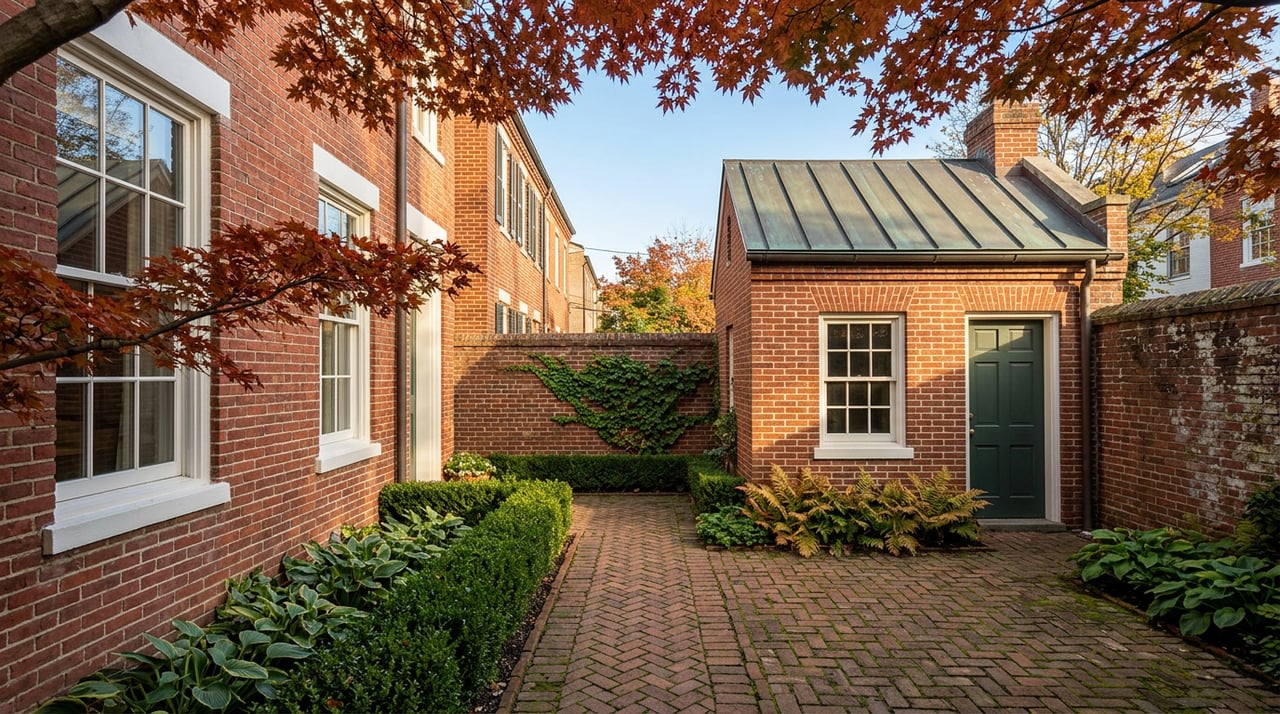
Rear additions are the most common type of addition on Washington historic rowhouses. In many cases, what is now enclosed living space may have started as an open or screened rear porch and later been incorporated into the house.
For many buyers, a rear addition is where a historic rowhouse starts to feel more generous. It can create a larger kitchen, extra family space, or a better connection between the main level and the rear of the property.
Why a rear addition can be worth it
If you want more usable square footage without changing the front facade, a rear addition can be a smart compromise. You get more interior living area while the home keeps its historic street presence.
This can be especially attractive in Capitol Hill, where original homes may otherwise have smaller kitchens or tighter rear rooms. A well-integrated addition can make the home easier to live in without losing its overall identity.
The trade-offs to check
Extra square footage usually comes with trade-offs. A rear addition may reduce yard space, change the rear elevation, or affect how much daylight reaches the center or back of the house.
As you walk through, pay attention to whether the addition feels integrated or tacked on. If it is visible from the street or alley, DC historic guidance says it should be compatible with the rear elevation, so asking about approvals and permits is wise.
Side passages and side additions
Side additions are less common than rear additions, and they are usually more visible. On Capitol Hill, preserved side spaces and passageways can matter because they help maintain light, air, access, and the historic rhythm of the streetscape.
That means a side change may have a bigger effect on how the house and lot function. If a home includes a side addition or altered passage, it deserves a closer look.
What buyers should notice
Ask yourself whether the side space still contributes to light and access in a meaningful way. A preserved passage may not seem dramatic at first, but it can affect the feel of both the interior and the outdoor space.
Because side additions require especially careful compatibility, they are worth discussing in detail during your due diligence. This is one of those features where the practical impact and the approval history both matter.
How to choose the right layout for you
The best Capitol Hill rowhouse layout is usually a trade-off. You are often balancing historic compartmentalization, modern open flow, lower-level flexibility, and the size and quality of any addition.
A helpful way to narrow your choice is to think less about labels and more about your real routines. The right home is the one that supports how you live now, not just what photographs well online.
Choose a traditional plan if you want:
- Distinct rooms with more privacy
- A stronger sense of the original house shape
- More intact historic room relationships
- Spaces that can serve separate uses
Choose an open main level if you want:
- Better sightlines across the main floor
- A larger shared space for cooking and hosting
- A more connected everyday flow
- A more modern feel inside a historic home
Choose an English basement if you want:
- Flexible lower-level space
- Room for guests, work, or storage
- A layout with possible future rental considerations
- More separation between household functions
Choose a rear-addition home if you want:
- More interior square footage
- A larger kitchen or rear living area
- Historic street presence with updated function
- A home that lives bigger than its original footprint
What to check during a tour
When you tour a Capitol Hill rowhouse, one of the most useful skills is learning to spot what is original and what was added later. That can help you understand not just the layout, but also the likely approvals, costs, and compromises behind it.
The DC Department of Buildings says permits are required for new buildings, additions, interior alterations including finished basements, porches and decks, and changes of occupancy or use. In historically designated areas, properties may also require Historic Preservation review and review by other agencies.
Smart questions to ask
- What parts of the layout are original versus added later?
- Was the basement entrance permitted, and is it visually discreet?
- Is the rear addition visible from the alley or street?
- Does the lower level have enough light and clearance for daily use?
- Are there permits or occupancy records for any conversion, addition, or change in use?
Practical tour tip
Try to identify the original public rooms first. Then look at how the current layout departs from that original sequence and ask whether those changes improve the house for your needs.
This simple habit can keep you from being distracted by finishes alone. In Capitol Hill, the smartest layout choice often comes down to whether the flow of the home truly matches your lifestyle.
If you want help comparing rowhouse layouts, reading between the lines on renovations, or deciding which trade-offs make sense for your goals, Maggie Daley offers thoughtful, neighborhood-focused guidance grounded in decades of Capitol Hill experience.
FAQs
What is the most common historic rowhouse layout in Capitol Hill?
- A common historic layout includes a side hall, a front living room or double parlor, a dining room behind it, a kitchen at the rear or below, and bedrooms on upper floors.
How do open floor plans differ from traditional Capitol Hill rowhouse layouts?
- Opened-up plans remove or reduce walls between main rooms to create better sightlines and a more connected shared living area, while traditional plans keep rooms more distinct.
What is an English basement in a Capitol Hill rowhouse?
- An English basement is a raised basement level designed to allow in more light and air, and it can provide flexible lower-level living space.
What should buyers ask about a Capitol Hill rowhouse basement apartment?
- Buyers should ask whether the lower-level setup, separate entrance, and any rental use were legally established and whether permits or occupancy records exist.
Are rear additions common on Capitol Hill rowhouses?
- Yes. Rear additions are the most common type of addition on Washington historic rowhouses, and many enclosed rear spaces began as porches.
What permits might matter when buying a renovated Capitol Hill rowhouse?
- Buyers should review permits for additions, interior alterations, finished basements, porches, decks, and any change of occupancy or use, especially in historically designated areas.