If you want a Washington, DC neighborhood where daily life can happen mostly on foot, Dupont Circle is hard to ignore. You may be drawn to the historic architecture, the Red Line access, or the fact that a quick coffee run can easily turn into dinner plans, gallery time, or an errand or two. This guide will help you understand what living in Dupont Circle actually feels like, from the housing mix to the pace of the streets, so you can decide whether it fits your lifestyle. Let’s dive in.
Dupont Circle at a Glance
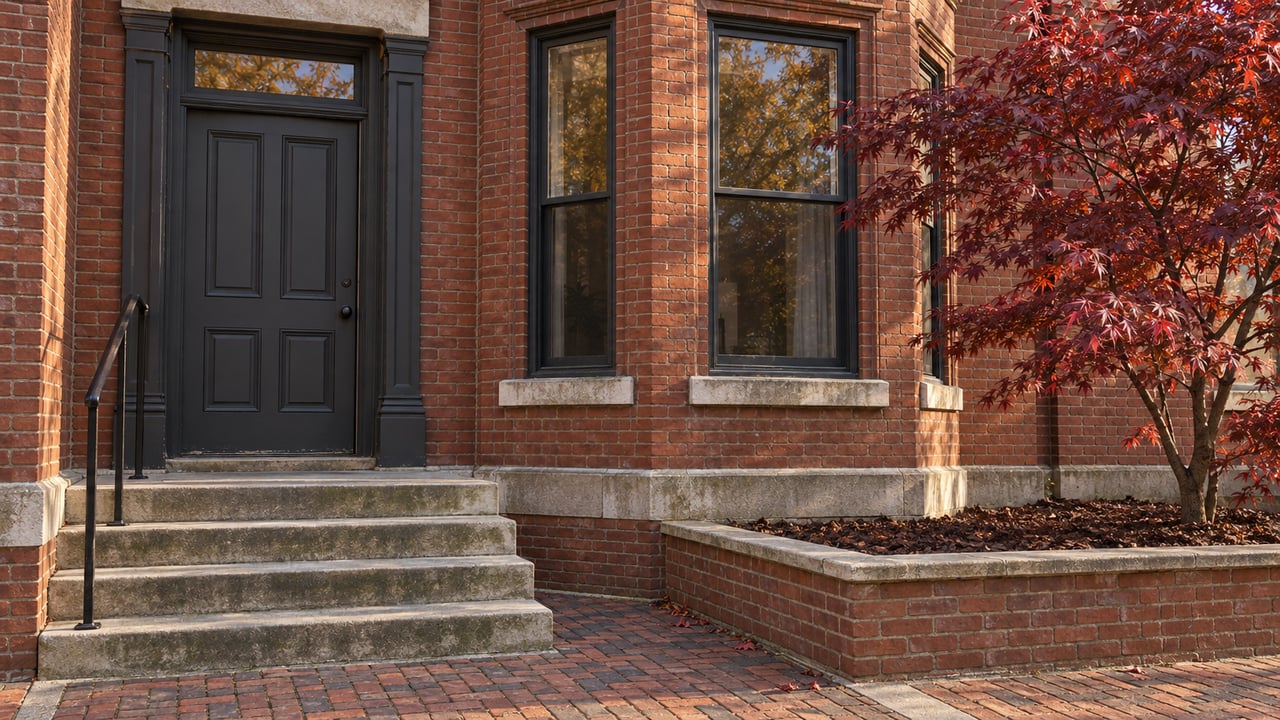
Dupont Circle sits in Ward 2 and blends a historic residential district with one of the city’s most active commercial areas. The DC Office of Planning describes the area as home to grand Victorian townhomes and stand-alone mansions, many of which are occupied by embassies and chanceries.
At the same time, the neighborhood is more than the iconic traffic circle itself. According to the Dupont Circle BID, the area serves more than 25,000 people in and around the neighborhood. That helps explain why it often feels lively, layered, and busy throughout the day.
Daily Life in Dupont Circle
Walking Is Part of the Lifestyle
One of the clearest things you notice about Dupont Circle is how easy it is to get around without a car. The Dupont Circle BID describes it as one of DC’s most walkable neighborhoods, and that shapes the rhythm of everyday life.
You can often handle groceries, coffee, dining, and basic services within a short walk. In a neighborhood like this, errands and social plans tend to blend together, which makes daily life feel convenient and connected.
Metro Access Shapes the Routine
WMATA’s Dupont Circle station sits on the Red Line and includes bike racks, bikeshare access, and an accessible entrance at Q Street. The station does not have parking, which reinforces the neighborhood’s transit-first feel.
If you like the idea of commuting by Metro, walking to meet friends, or using a bike for short trips, Dupont Circle can feel especially practical. If you prefer a car-centered routine with easy station parking, this may feel less convenient.
Activity Lasts Beyond Office Hours
Dupont Circle stays active for much of the day because of its dense mix of homes, offices, restaurants, shops, and services. The BID reports more than 110 restaurants, 130 services, 40 shops, and 70 embassies in the neighborhood.
The Office of Planning also notes that the area south of the Circle includes about 70,000 workers, while the area north of the Circle functions as a neighborhood-serving retail hub. In real life, that means lunch crowds, after-work traffic, and weekend activity often overlap.
Housing in Dupont Circle
Historic Character Is a Big Part of the Appeal
Dupont Circle Historic District was established in 1976 and later expanded in 1984 and 2005. Its period of significance runs from 1875 to 1931, and the district nomination describes a largely residential area developed in the late 19th and early 20th centuries.
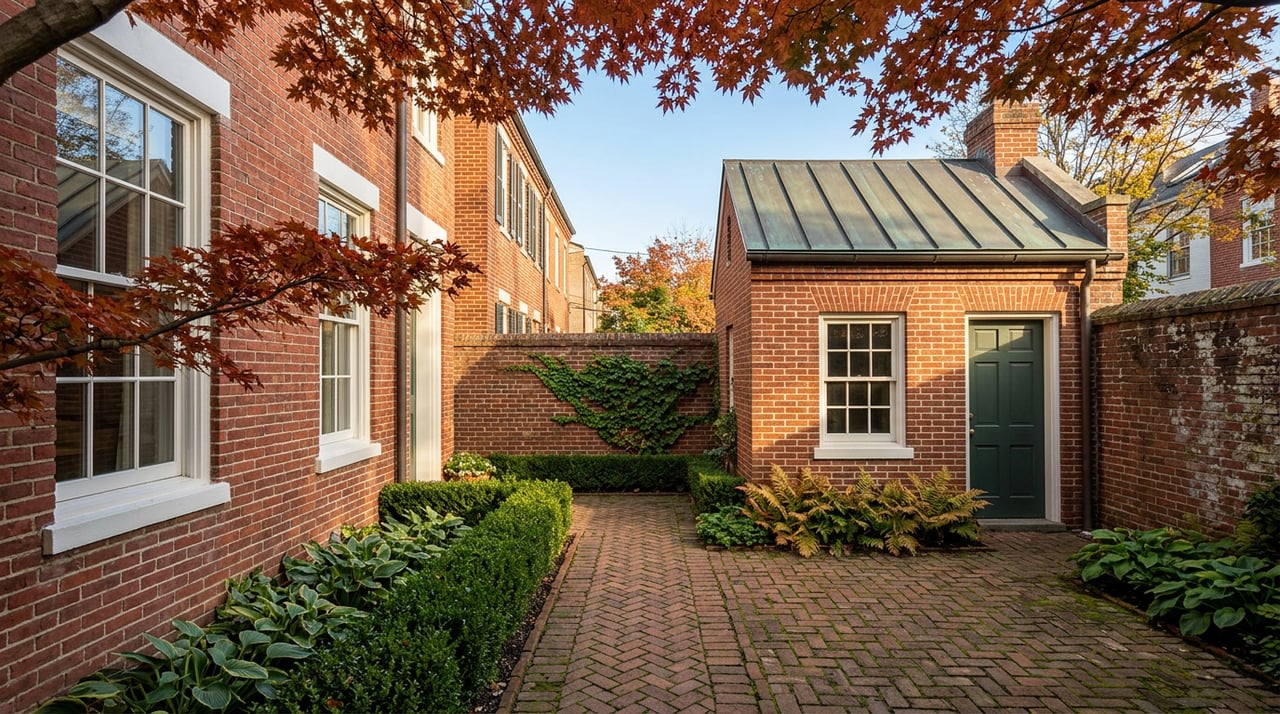
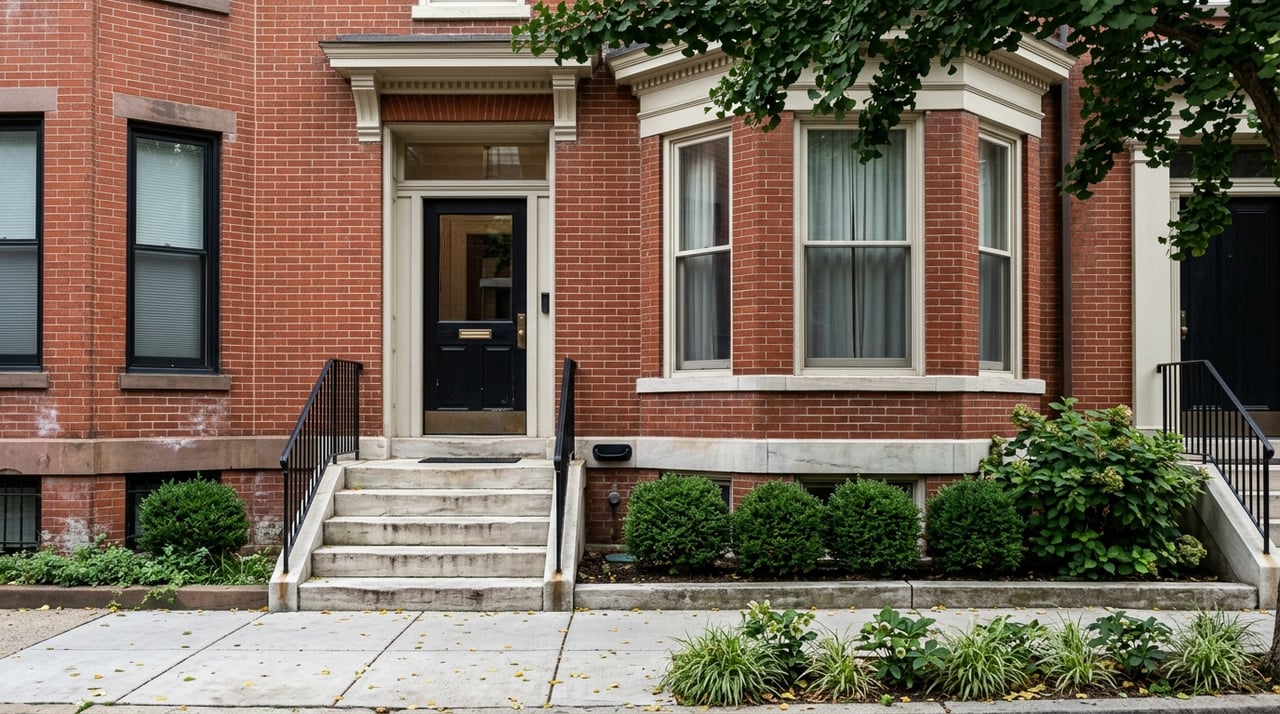
You will see palatial mansions and freestanding houses along diagonal avenues, along with three- to four-story rowhouses on grid streets. Low-scale commercial buildings along Connecticut Avenue add to the neighborhood’s classic DC feel.
Condos and Apartments Are Common
Even with all that historic character, Dupont Circle’s housing mix is not just about single-family homes. The historic district nomination notes that many rowhouses have been renovated for single-family, apartment, and office use, and the immediate area around the Circle includes some five- and six-story apartment buildings.
A 2010 planning profile for the Dupont Circle and Connecticut Avenue-K Street cluster found that about 70% of housing units were in buildings with 20 or more units. That helps explain why the neighborhood often feels condo- and apartment-heavy, even though it is known for beautiful historic houses.
What That Means for Buyers and Renters
In practical terms, Dupont Circle offers two housing experiences at once. You get the visual appeal of landmark architecture and townhouse-lined streets, but you also get a market that often supports low-maintenance condo and apartment living.
If you want a large lot, yard space, or a more detached feel, your options will usually be more limited here. If you want central access and a home that supports a lock-and-leave lifestyle, Dupont Circle can be a strong match.
Parks, Culture, and Neighborhood Feel
The Circle Works Like a Shared Living Room
Dupont Circle itself is a federal park located at the intersection of Massachusetts, Connecticut, and New Hampshire Avenues, along with P Street and 19th Street NW. The National Park Service lists benches, pets allowed, public transit, scenic views, and trash receptacles among its amenities.
That may sound simple, but it says a lot about how people use the space. It functions as a place to sit, meet up, pass through, and take a break in the middle of a busy neighborhood.
Arts and Culture Are Easy to Reach
Cultural life is one of the neighborhood’s defining features. The Dupont Circle BID’s First Friday Art Walk runs monthly from 6 to 8 p.m. and features galleries, embassies, and cultural centers.
The Dupont-Kalorama Museum Walk also highlights destinations such as The Phillips Collection, Heurich House Museum, Dupont Underground, and the National Museum of American Jewish Military History, all within easy walking distance of the Metro station. For residents, that means culture is not a special trip across town. It can be part of an ordinary weeknight or weekend.
History Still Shapes the Neighborhood
Dupont Circle also has a notable LGBTQ history. The National Park Service notes that the neighborhood became a welcoming place for DC’s gay community in the 1970s, and Capital Pride continues to bring large crowds to the Circle for annual events.
That history remains part of the neighborhood’s identity today. It contributes to Dupont Circle’s reputation as a socially engaged area with a wide mix of residents and visitors.
Who Tends to Like Living Here
Dupont Circle is often a strong fit if you want your routine to revolve around walking, Metro, dining, and quick access to the rest of central DC. It can work especially well for renters and condo buyers who value convenience and an urban pace.
You may also appreciate Dupont Circle if character matters to you. The neighborhood offers architecture and streetscapes that feel distinctly Washington, while still giving you the practical advantages of dense city living.
For some buyers, that combination is the main draw. You are not choosing between charm and convenience quite as much as you might in other neighborhoods.
Trade-Offs to Know Before You Move
Expect Energy, Not Isolation
Dupont Circle is lively and compact rather than quiet and car-centered. The commercial density, office presence, and constant foot traffic are part of what make the neighborhood appealing, but they are also part of the trade-off.
If you enjoy a sense of motion around you, that can feel exciting and convenient. If you want a more residential pace with less street activity, another neighborhood may feel like a better fit.
Car Use May Feel Secondary
Because the Metro station has no parking and the neighborhood is built around walking and transit, Dupont Circle tends to reward residents who are comfortable relying less on a car. That does not mean you cannot own one, but it does mean the neighborhood experience is not centered on driving.
For many people, that is a major advantage. For others, especially those who prioritize easy parking or frequent car trips, it is something to weigh carefully.
Why Dupont Circle Stands Out
What makes Dupont Circle memorable is the combination of historic beauty and daily convenience. You can live among Victorian architecture, embassy buildings, and classic DC rowhouses while also being steps from Metro, restaurants, services, and cultural institutions.
That mix gives the neighborhood a distinct rhythm. It feels established and active at the same time, which is a big reason so many people are drawn to it.
If you are considering a move to Dupont Circle, it helps to look beyond the postcard image of the fountain and tree-lined streets. The real question is whether you want a home base that feels connected, walkable, and busy in the best urban sense of the word.
If that sounds like your kind of neighborhood, working with a local advisor can make it much easier to sort through the condo, townhouse, rental, and investment options that fit your goals. To talk through what makes sense for your move in Dupont Circle or elsewhere in central DC, schedule a consultation with Maggie Daley.
FAQs
What is daily life like in Dupont Circle, DC?
- Daily life in Dupont Circle tends to center on walking, Metro access, dining, errands, and steady neighborhood activity from morning into the evening.
What types of homes are common in Dupont Circle?
- Dupont Circle includes historic mansions, classic rowhouses, condos, and apartment buildings, with a large share of housing in multi-unit buildings.
Is Dupont Circle a good fit if you do not want to drive often?
- Yes. Dupont Circle is especially practical for people who prefer to get around by foot, Metro, or bike rather than rely on a car.
What gives Dupont Circle its neighborhood character?
- Its character comes from a mix of historic architecture, embassy presence, cultural institutions, the central park space, and a dense commercial environment.
What is the main trade-off of living in Dupont Circle?
- The main trade-off is that Dupont Circle is active and compact, so you are choosing urban energy and convenience over a quieter, more car-centered setting.