If you are trying to picture daily life on Capitol Hill, start with the weekend. This is where the neighborhood’s character becomes easy to see in real time, from market stalls and tree-lined walks to coffee stops and casual browsing along local retail corridors. Whether you are thinking about buying, selling, or leasing in the area, a weekend on the Hill shows why so many people are drawn to its steady, lived-in rhythm. Let’s dive in.
Why Capitol Hill Feels Easy on Weekends
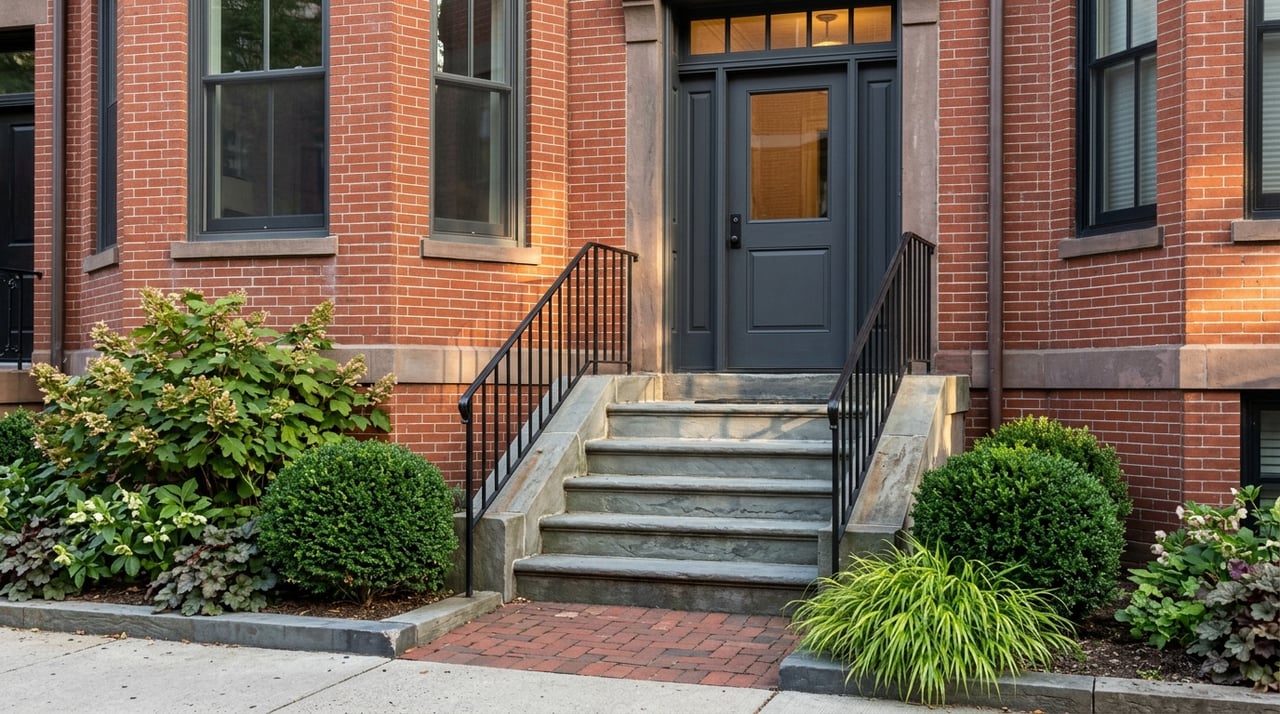
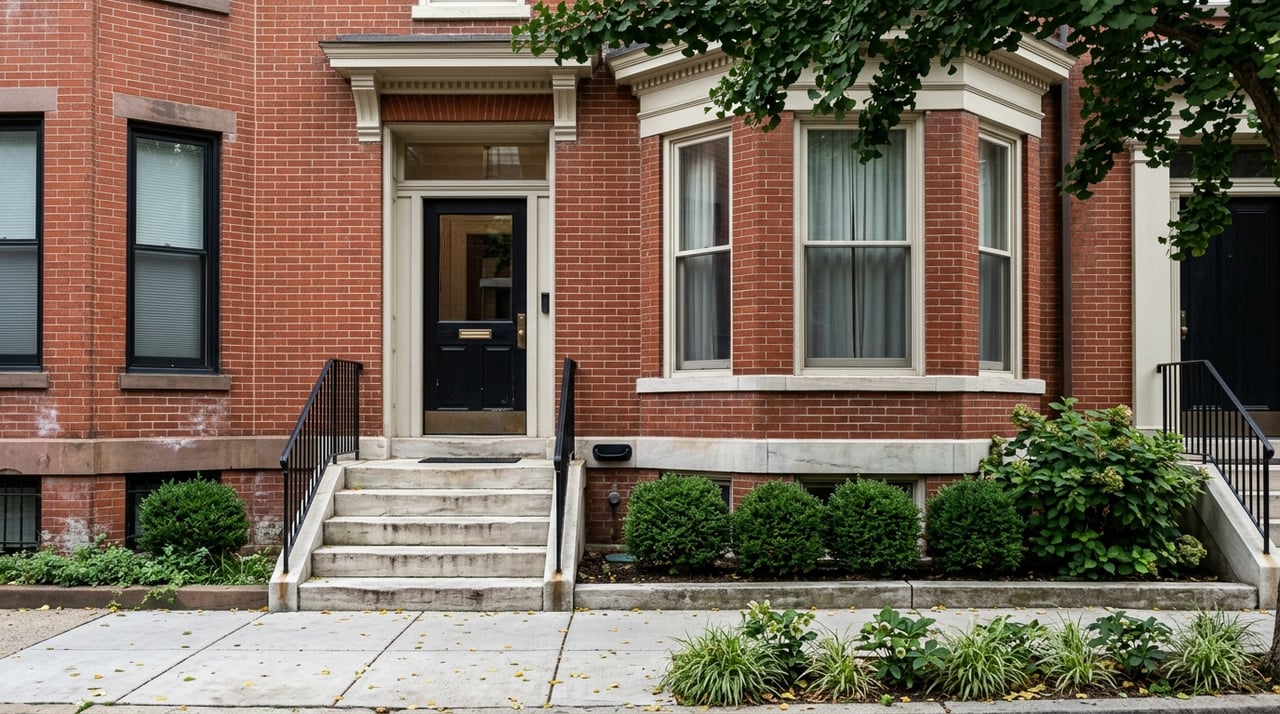
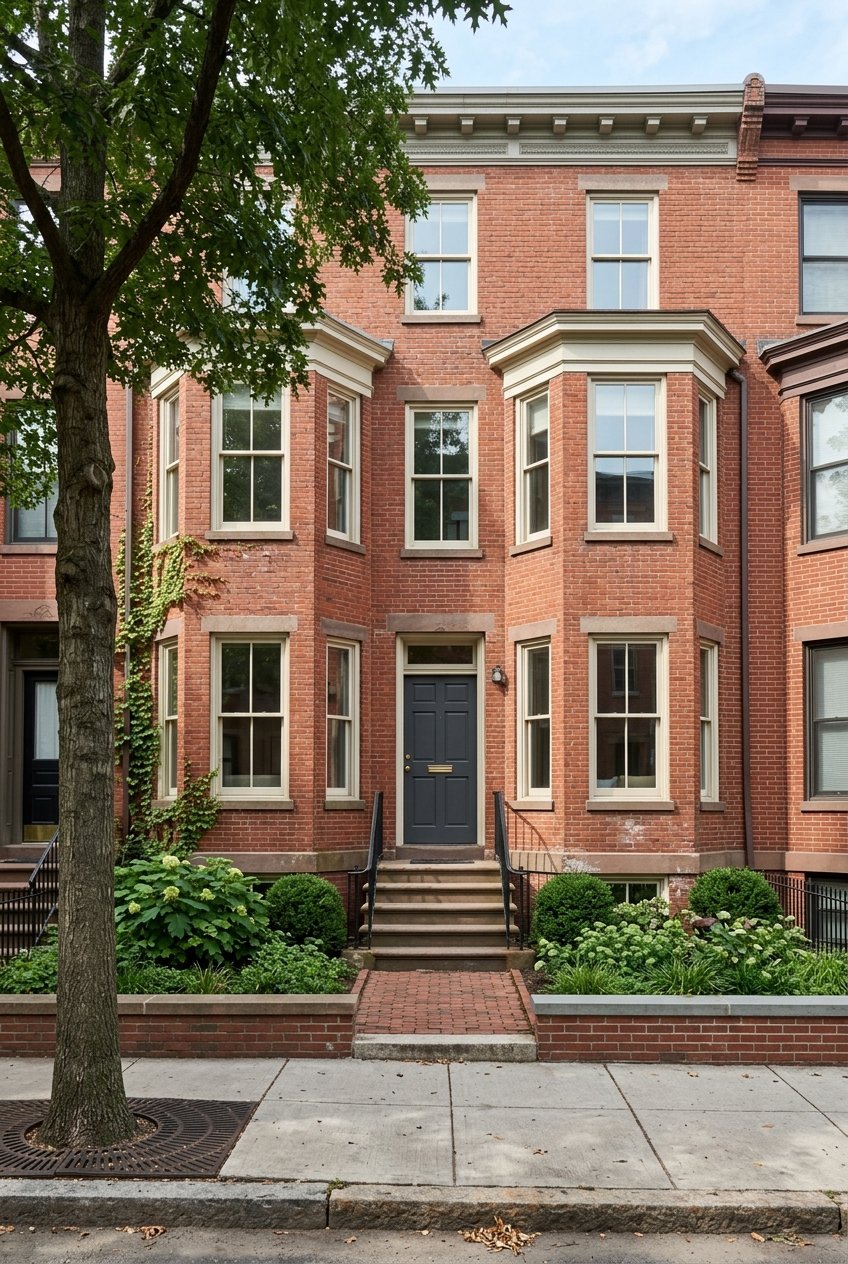
Capitol Hill has a weekend pattern that feels both urban and local. The DC Office of Planning describes it as a self-contained community with a small-town feel, shaped by rowhouses, corner stores, historic schoolhouses, alleys, and neighborhood shopping districts.
That setting matters when you are thinking about lifestyle, not just location. The same planning document notes that the neighborhood’s scale, wide sidewalks, street trees, and street network make walking practical, and that many households can treat car ownership as an option rather than a necessity.
Capitol Hill is also one of DC’s most historic residential areas. According to the DC Office of Planning, it is the city’s largest residential historic district, with about 8,000 structures dating mostly from the early 1800s through the 1940s.
For buyers, that can help explain the neighborhood’s lasting appeal. For sellers, it helps tell a clear story about why homes here are tied to an established, repeatable lifestyle that people can imagine themselves enjoying right away.
Eastern Market Sets the Weekend Pace
If there is one place that anchors a Capitol Hill weekend, it is Eastern Market. It is DC’s oldest continually operating public fresh food market and remains one of the neighborhood’s strongest gathering points.
The official market information lists the indoor market as open Tuesday through Saturday from 8 a.m. to 6 p.m. and Sunday from 8 a.m. to 5 p.m. The outdoor market operates Saturday and Sunday from 9 a.m. to 4 p.m., plus Tuesday from 12 p.m. to 4 p.m.
Inside South Hall, merchants offer produce, flowers, baked goods, meats, poultry, cheese, and deli items. On weekends, the open-air farmers’ line adds local produce year-round, which gives the area a strong neighborhood feel from the start of the day.
What Makes Eastern Market So Popular
Eastern Market works because it is more than a place to shop. Official sources describe it as a community hub, and that shows up in the mix of regular errands, casual conversations, and weekend browsing.
The flea market adds another layer to the experience. Washington.org says the Flea Market at Eastern Market has been part of Capitol Hill for more than 40 years and runs every Sunday from 9 a.m. to 4 p.m. at 7th and C Streets SE, with antiques, locally made arts and crafts, imported goods, and Made in DC small businesses.
That combination makes the market easy to revisit. You can go for groceries one week, handmade gifts the next, or simply to enjoy the activity and see what is in season.
Getting There Is Straightforward
Part of Eastern Market’s appeal is access. The official market site lists the Eastern Market Metro Station on the Blue, Orange, and Silver lines, along with nearby bus service, Capital Bikeshare, and parking.
For anyone evaluating Capitol Hill as a place to live, that matters. A neighborhood becomes more useful when your weekend routine can include transit, walking, biking, and quick errands without a lot of planning.
Parks Add Space Between Stops
Capitol Hill weekends are not built around one giant park. Instead, the neighborhood benefits from a network of green spaces that fit naturally into a walk from one stop to the next.
The National Park Service groups Capitol Hill Parks as a connected system of large parks, smaller squares, and triangles east of the U.S. Capitol. That network includes Lincoln Park, Stanton Park, Marion Park, Seward Square, Twining Square, the Maryland Avenue Triangles, the Pennsylvania Avenue Medians, and many smaller public spaces.
This layout gives the neighborhood breathing room. It also supports the kind of flexible weekend that many buyers look for, where you can combine errands, outdoor time, and a coffee stop without needing to drive across town.
Lincoln Park, Stanton Park, and Marion Park
Lincoln Park is the largest Capitol Hill park and one of Washington’s oldest public parks. The National Park Service says it was designated as public space on the original 1791 L’Enfant Plan and includes monuments to Abraham Lincoln and Mary McLeod Bethune.
Stanton Park offers a different kind of stop. It covers about four acres and includes a playground, formal walkways, and flower beds, which makes it useful for both a short break and a longer outdoor visit.
Marion Park adds another easy option. It is described by the National Park Service as one of the oldest Capitol Hill parks, with a playground and tree-shaded spots to sit or picnic.
Why the Park Network Matters
These spaces help define the neighborhood’s rhythm. Instead of treating green space as a special destination, Capitol Hill folds it into everyday life.
That can be especially meaningful if you are comparing neighborhoods. A chain of usable parks and public squares often creates a stronger daily experience than a single major destination that you visit only occasionally.
Cafes and Shops Keep the Day Moving
A great neighborhood weekend is usually built on small choices. On Capitol Hill, that means having enough cafes, bookstores, and neighborhood shops nearby that you can keep walking and find your next stop naturally.
The Capitol Hill BID directory shows a dense mix of local businesses around Eastern Market and Barracks Row. That includes cafes, booksellers, kitchenware, flowers, games, hardware, and other neighborhood-serving stores.
This variety gives Capitol Hill an easy browsing culture. You do not need a full itinerary to enjoy the area, because the retail mix supports both quick errands and slower, more relaxed afternoons.
A Few Notable Local Stops
The BID listing notes that Peregrine Espresso’s Eastern Market cafe opened in 2008. Le Bon Café is described as a long-time meeting place for residents, tourists, and Congressional staffers, while Hill’s Kitchen is an independent gourmet kitchenware store in a renovated townhouse built in 1884.
The BID directory also includes businesses such as Capitol Hill Books, East City Bookshop, Labyrinth Games & Puzzles, Little District Books, Frager’s Hardware, Roots and Blooms Flower Shop, and Eastern Market Pottery.
Taken together, these businesses help explain why Capitol Hill feels layered rather than one-note. You can get coffee, pick up flowers, browse for a book, and stop for household basics without leaving the neighborhood.
What Buyers Can Learn From a Capitol Hill Weekend
For buyers, a weekend visit can reveal more than a listing search ever will. It shows how the neighborhood functions when people are actually using it.
Capitol Hill offers a compact pattern that many people value: market, park, coffee, shops, and home, all within a walkable setting. The DC Office of Planning supports that picture with its description of the neighborhood’s sidewalks, street trees, and practical walkability.
That kind of routine can be a real deciding factor. If you want a neighborhood where daily life feels established and easy to repeat, Capitol Hill makes that case well.
What Sellers Can Highlight About the Lifestyle
For sellers, weekend life helps make the value of Capitol Hill easier for buyers to understand. The neighborhood’s appeal is not only about architecture or location on a map.
It is also about how the area lives. Historic housing stock, neighborhood retail, transit access, and a connected system of public green spaces create a lifestyle story that feels concrete rather than abstract.
When buyers can picture themselves spending Sunday morning at Eastern Market, walking through Lincoln Park, and stopping at a nearby cafe before heading home, the neighborhood becomes more than a search result. It becomes a place they can imagine belonging.
If you are preparing to buy, sell, lease, or evaluate an investment property in Capitol Hill, that neighborhood context can shape smarter decisions. Working with someone who understands how these block-by-block patterns influence demand can make the process much more focused.
If you want guidance grounded in decades of Capitol Hill experience, Maggie Daley offers a consultative, full-service approach for buyers, sellers, landlords, and investors across central DC.
FAQs
What is open on weekends at Eastern Market in Capitol Hill?
- The indoor market is open Sunday from 8 a.m. to 5 p.m., and the outdoor market is open Saturday and Sunday from 9 a.m. to 4 p.m.
Which parks are most useful to know on Capitol Hill weekends?
- Lincoln Park, Stanton Park, and Marion Park are three key examples, offering open space, shaded seating, walkways, and playground areas within the Capitol Hill park network.
Where do cafes and shops cluster on Capitol Hill?
- Much of the cafe-and-shop activity is centered around Eastern Market and Barracks Row, where the Capitol Hill BID lists coffee spots, bookstores, kitchenware, flowers, hardware, and other local businesses.
Why does Capitol Hill feel so walkable on weekends?
- The DC Office of Planning says the neighborhood’s scale, topography, wide sidewalks, street trees, and connected street pattern make walking practical for many households.
Why do Capitol Hill weekends matter to home buyers and sellers?
- Weekend activity helps show how the neighborhood functions in real life, giving buyers a clearer sense of daily lifestyle and helping sellers highlight the area’s established appeal.