If you picture your weekend starting with fresh coffee, a basket of produce, and the buzz of vendors setting up along 7th Street SE, Eastern Market might be your kind of neighborhood. You want a place that feels grounded in history yet easy for daily errands and commuting. In this guide, you’ll get a clear view of what life looks like around the market, from weekday routines to housing types, commute options, and practical tradeoffs. Let’s dive in.
Why Eastern Market feels like a village center
Eastern Market sits at the heart of Capitol Hill, a short walk from the U.S. Capitol and surrounded by blocks of historic rowhouses. The indoor market building and the outdoor weekend vendors act as both a daily resource and a community hub. You’ll find a lively mix of restaurants, cafes, and small shops clustered near 7th–8th Street SE, often referred to as Barracks Row. The result is a neighborhood that pairs classic architecture with a steady, welcoming rhythm.
A day in the life near Eastern Market
Weekday mornings
Weekday mornings start early with commuters heading to Metro and downtown offices. Coffee shops and bakeries see a steady stream as neighbors grab breakfast on the way to work. You’ll notice dog walkers, joggers, and families moving toward nearby schools. Streets feel active near the commercial corridors, while residential blocks stay quieter.
Midday and errands
By midday, the market and Barracks Row fill with lunch-goers, and the sidewalks feel lively but comfortable. Small retailers, pharmacies, and service businesses handle errands without much fuss. Many residents work from home at least part of the week, so you’ll see a mix of laptops and lunch meetings on patios.
Evenings on the Hill
Evenings bring dinner crowds to neighborhood restaurants and laid-back bars. The scene skews toward social dinners and family routines rather than late-night destinations. Residential blocks calm down earlier, while the main corridors keep a gentle hum.
Weekends: peak energy
Saturday is prime time. The farmers market and indoor vendors draw locals and visitors for produce, meats, prepared foods, and specialty items. On Sundays, the outdoor arts and flea markets expand into nearby streets, bringing in artists, antique hunters, and curious tourists. Expect more foot traffic, more energy, and a friendly neighborhood buzz.
Everyday errands and services
Eastern Market gives you fresh groceries and specialty foods within a short walk. Larger grocery stores are close for weekly stock-ups. Daily needs like hardware, dry cleaning, pharmacies, and small boutiques cluster along the commercial corridors. Healthcare clinics and medical offices are accessible in and around Capitol Hill, with additional options a short transit trip away.
Parks and outdoor life
You’ll find small neighborhood greens and pocket parks for dog walking, playground time, and informal meetups. If you want bigger runs or bike rides, the National Mall, riverside trails, and larger parks are a quick bike or transit hop away. It’s easy to turn weekday evenings or weekend mornings into regular outdoor time.
Getting around and commuting
Metro and buses
The Eastern Market Metro station serves the Blue, Orange, and Silver lines, offering direct rail access to downtown, federal buildings, and key transfer points. Several bus routes knit Capitol Hill to surrounding neighborhoods. Service levels vary by time of day, so you’ll plan around WMATA schedules.
Biking and walking
The area is very walkable for errands, dining, and transit. You’ll see on-street bike lanes on select corridors and bike-share stations nearby. Many residents choose biking for quick trips to the Mall and central employment districts.
What to expect for commute times
Ride time by Metro to central downtown and the federal core is often under 20 minutes, depending on your exact destination and transfers. Door-to-door commutes by transit commonly range from about 20 to 45 minutes when you include walking and wait times. Driving can vary widely with traffic and parking, which is why many locals prioritize rail or bike for predictability.
Housing around Eastern Market
What you’ll find
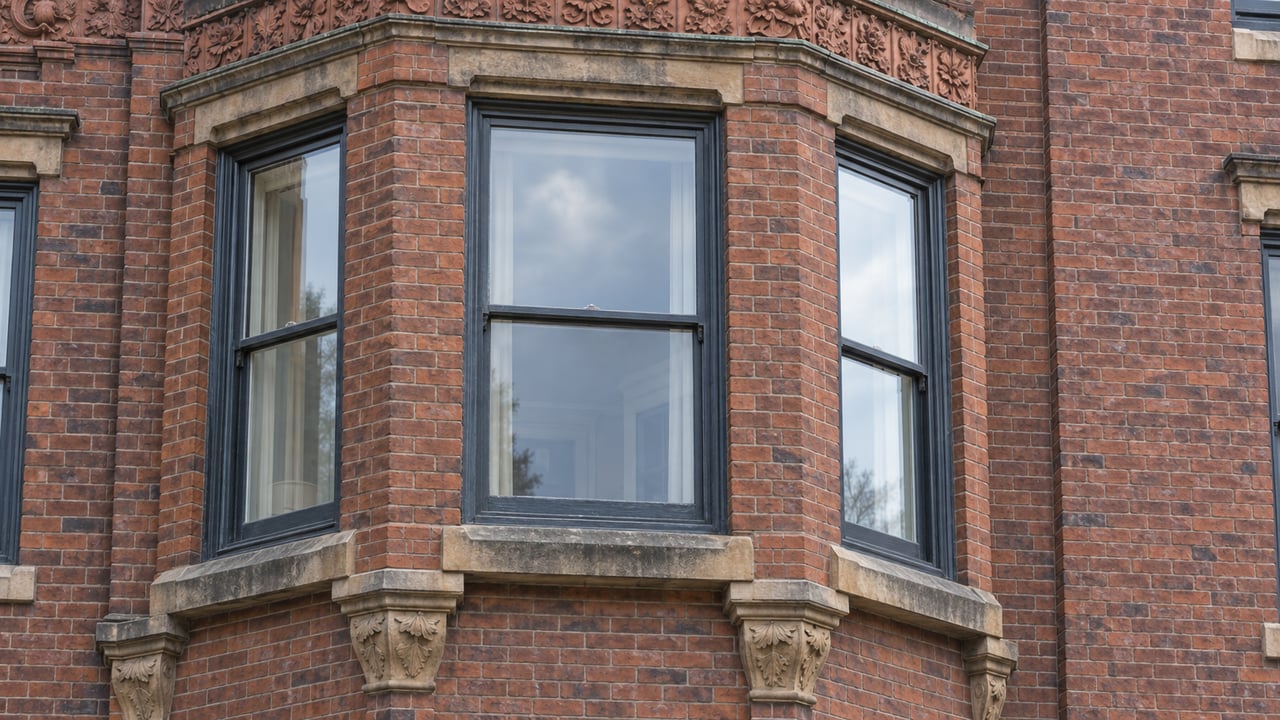
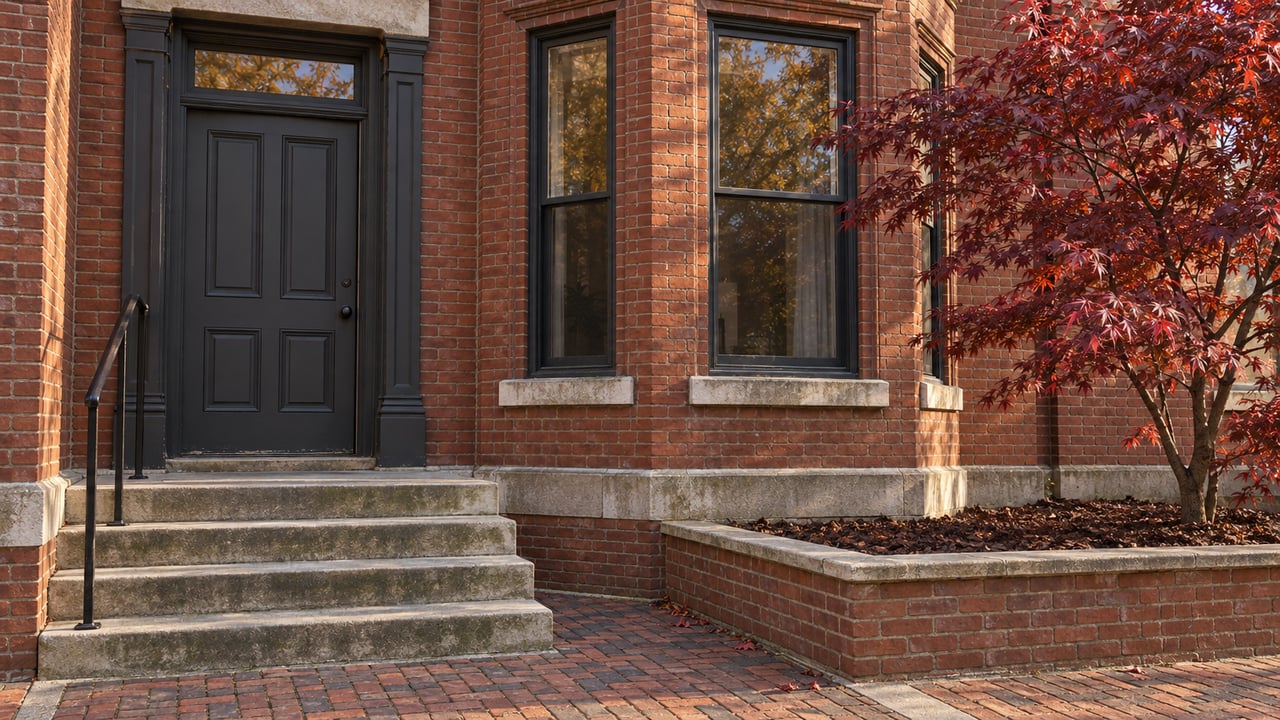
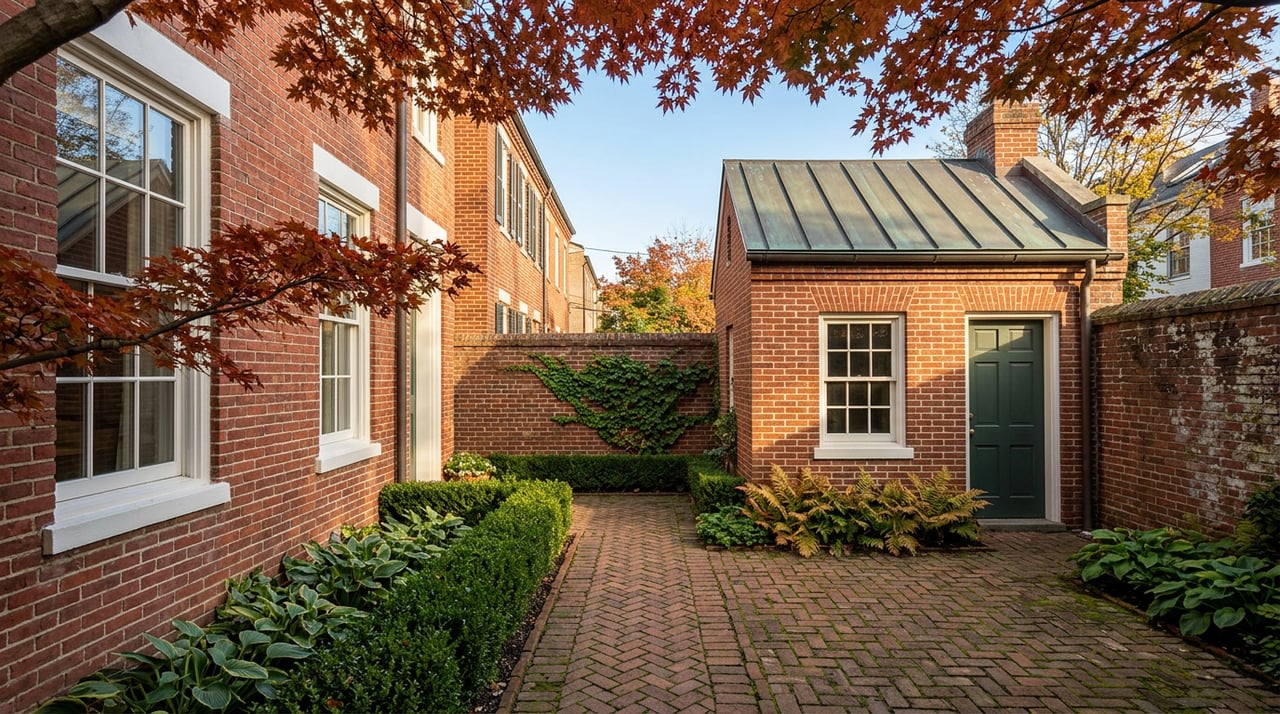
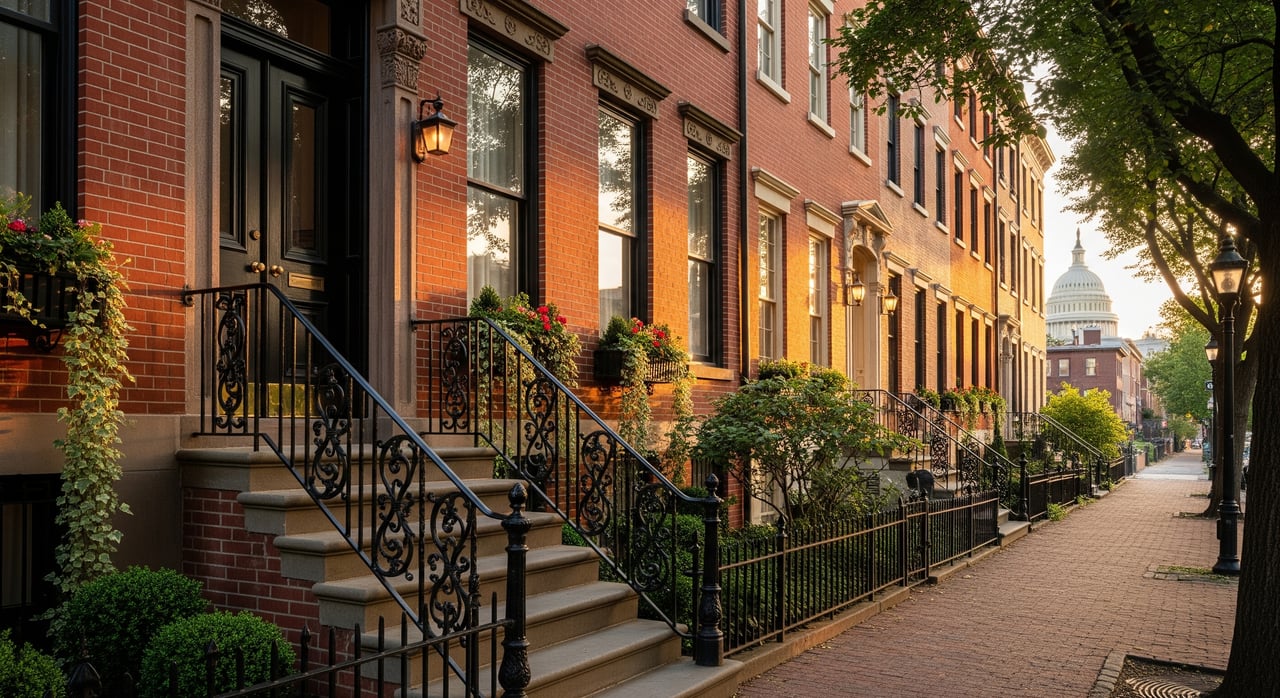
The housing stock is dominated by brick rowhouses that are typically two to three stories. You’ll also see low-rise condo conversions, boutique apartment buildings, and carriage-house-style units on alleys. A few single-family detached homes appear on side streets, but they are less common.
Renovations and features
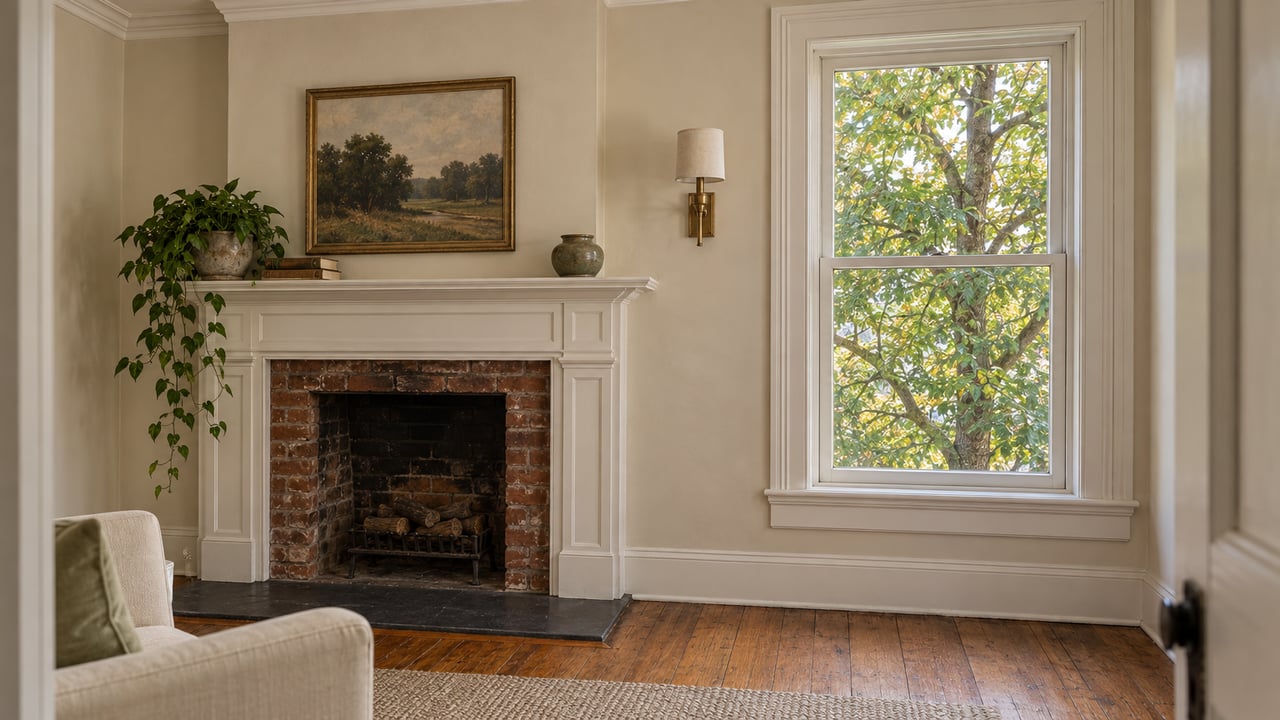
Interiors often preserve period details like moldings and fireplaces while adding popular updates such as open-plan kitchens and finished basements. Rear yards tend to be modest, and some homes include alley-access parking or garages. Renovation quality varies by property, so it’s important to compare on a block-by-block basis.
Practical tradeoffs
- Parking: On-street parking is limited on many blocks, and private off-street spaces are not universal. Resident permit rules vary, so check block-specific regulations.
- Outdoor space: Many homes have smaller rear yards. Rooftop decks or roof access sometimes fill the gap for outdoor living space.
- Historic review: Much of Capitol Hill falls within historic districts, so exterior changes and some renovations may require review by the Historic Preservation Office. This can affect timelines and plans.
- Building systems: Older homes may have legacy electrical or plumbing that you will want to update. Budget for inspections and contractor estimates if renovations are on your list.
Is the market competitive here?
Capitol Hill is a sought-after market, especially for well-located and updated homes near Eastern Market. Inventory, days on market, and pricing shift with the season. If you are focused on a specific street or renovation level, be prepared to act quickly and weigh tradeoffs such as parking or yard size.
Schools and family resources
The neighborhood is served by DC Public Schools, with nearby charter and private options. Boundaries and enrollment policies can change, so verify current school assignments directly with DCPS and school-specific resources. Childcare and family services are commonly available within the neighborhood or a short transit ride away.
Community, governance, and safety
Advisory Neighborhood Commissions weigh in on zoning, public space, and community priorities. The Capitol Hill business and market organizations coordinate programming like farmers markets and seasonal events. Perceptions of safety vary by block and time of day; as with any urban neighborhood, residents recommend standard precautions. For current trends, review official crime mapping and open data resources.
How to test-drive the neighborhood
- Visit at four times: a weekday morning, weekday evening, Saturday morning, and Sunday afternoon.
- Do a practice commute during your usual travel window.
- Check parking rules on the specific block you are considering.
- Walk the market area and Barracks Row to see how foot traffic feels at different hours.
- Attend an ANC or neighborhood meeting to learn about upcoming events and any local projects.
Ready to explore homes around Eastern Market with a local guide who has lived and worked on Capitol Hill for decades? Connect with Maggie Daley for a thoughtful, data-informed plan tailored to your goals.
FAQs
How busy is Eastern Market on weekends?
- Saturdays and Sundays are the busiest times, with farmers market vendors on Saturday and arts and flea market stalls on Sunday that expand into adjacent streets.
What are typical commute times from Eastern Market to downtown?
- Metro ride times to central downtown are often under 20 minutes, with door-to-door trips commonly about 20 to 45 minutes depending on walking and wait times.
Are many homes near Eastern Market in a historic district?
- Yes, much of Capitol Hill is within designated historic districts, so exterior changes and some renovations may require review by the Historic Preservation Office.
How difficult is parking around Eastern Market?
- On-street parking is limited on many blocks, and not all homes have off-street spaces, so you should confirm permit rules and typical availability for your specific block.
What housing types are most common around Eastern Market?
- Two to three-story brick rowhouses are most common, with additional options that include low-rise condo conversions, boutique buildings, and some carriage-house-style units.
Does living near Eastern Market mean lots of late-night noise?
- The commercial corridors are active, especially on weekends, but late-night crowds are generally smaller than downtown areas. Residential blocks are typically quieter in the evenings.