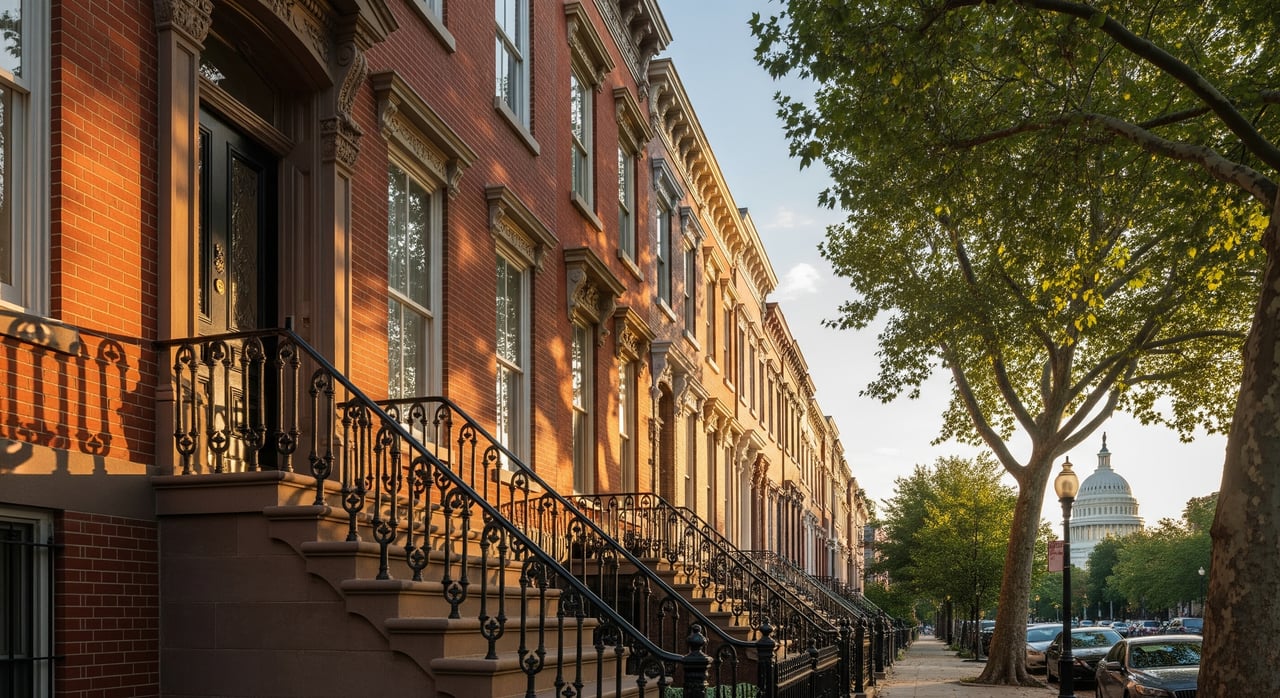
Planning to replace windows, add a dormer, or refresh your front steps on Capitol Hill? If your home sits in the historic district, the rules can feel complex. The good news is that once you understand what triggers review, who decides, and the typical timeline, the process becomes manageable. This guide walks you through what needs approval, how to plan your project, and where to get official answers so you can move forward with confidence. Let’s dive in.
Historic district basics
Capitol Hill is a designated historic district, which means exterior changes visible from public space are reviewed for compatibility with neighborhood character. The District’s Historic Preservation Office (HPO), within the Office of Planning, administers the program, and the Historic Preservation Review Board (HPRB) decides significant cases at public hearings. You can learn more about program roles on the DC Office of Planning’s Historic Preservation page.
You still need building permits. Historic review is separate from construction and code review by the DC Department of Buildings (DOB). If a project needs zoning relief, the Office of Zoning and the Board of Zoning Adjustment handle that track. Neighborhood voices like the Capitol Hill Restoration Society and your ANC often comment, which can influence outcomes.
What needs approval
Exterior changes that need review
- Window replacement or altering window openings on street-visible elevations.
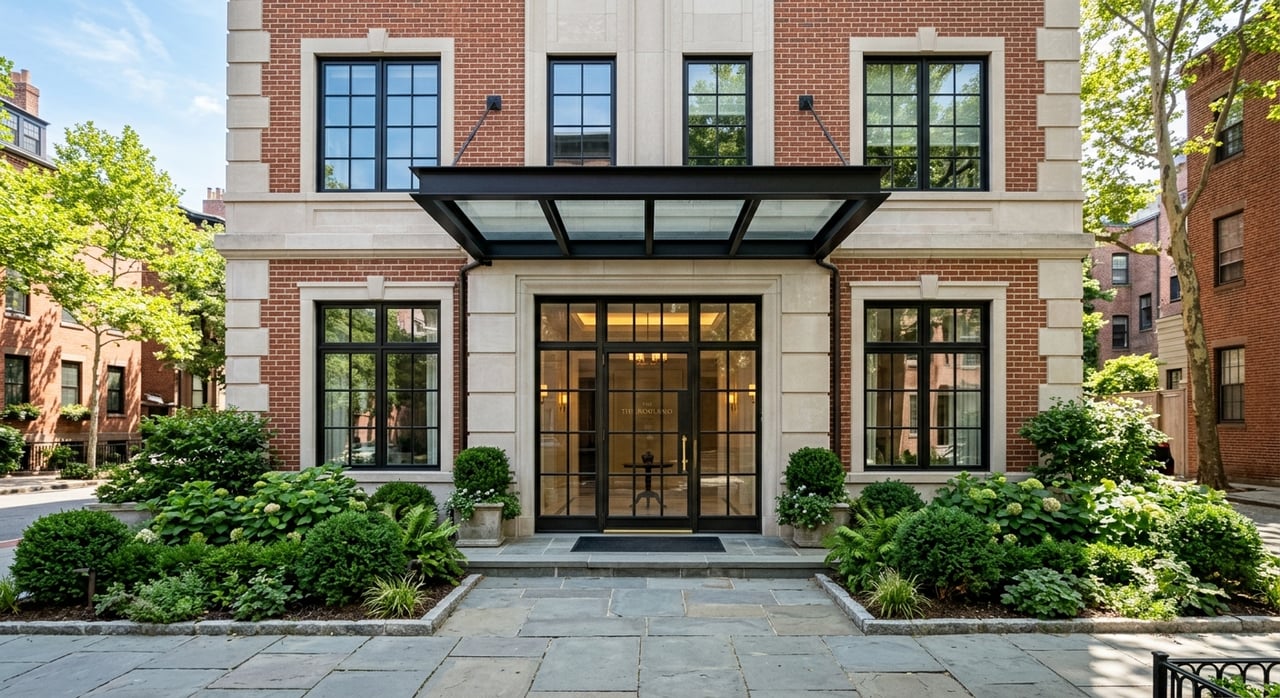
- Changes to front facades including doors, porches, stoops, cornices, and masonry on visible sides.
- Roof alterations or additions visible from public space, including raising rooflines or adding dormers.
- New additions visible from the street or public alley.
- Front fences or hardscape visible from the sidewalk.
- Partial or full demolition of a contributing building or character-defining feature.
- Work affecting historic materials such as unpainted masonry, original wood trim, slate roofs, or cast iron.
Work often handled administratively
- Routine maintenance and in-kind repairs using matching materials and profiles.
- Interior work that does not change the exterior appearance.
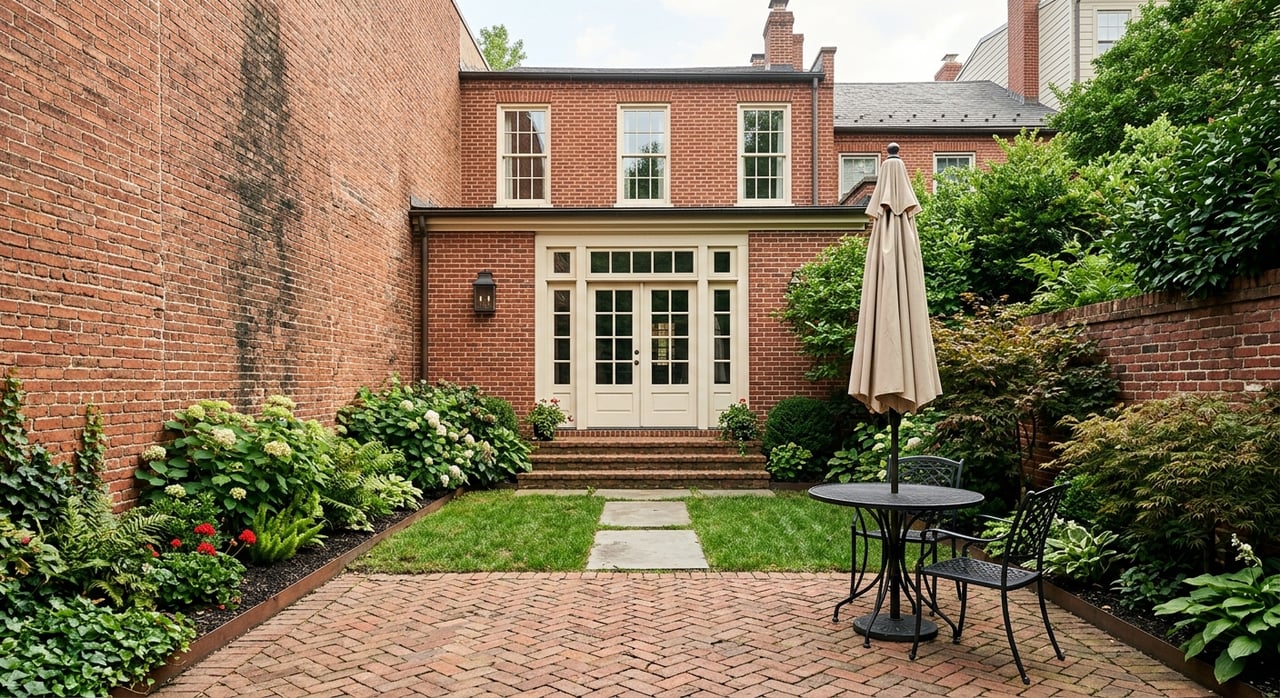
- Some rear or alley changes that are not visible from public space. Visibility, not location, is what matters.
- Emergency repairs to address hazards, with prompt notification to HPO and follow-up documentation.
Public visibility explained
“Visible from public space” refers to what can be seen from streets, sidewalks, and public alleys. If a neighbor or passerby can see the change from a public right-of-way, it typically triggers review. Rear work that is completely screened and not visible may qualify for administrative approval.
Properties are classified as contributing or non-contributing within the district. Contributing buildings usually face stricter scrutiny for visible changes, while non-contributing buildings may have more flexibility. For general context on historic listings, the National Park Service’s National Register of Historic Places offers background.
How review works
Most projects follow one of two paths. Many minor or routine projects can be approved administratively by HPO staff, which is faster and requires lighter documentation. Larger changes go to the Historic Preservation Review Board agendas for a public hearing and formal decision.
Historic approval usually comes before DOB will issue a building permit. If you need zoning relief, that track can run in parallel and may add time through the Office of Zoning and the BZA. Neighbors and groups like the Capitol Hill Restoration Society or your ANC may submit comments that the reviewers consider.
What to submit
- Current photos from the street and adjacent views.
- Site plan and scaled elevations showing proposed changes.
- Material samples and product specs for windows, porch elements, and roofing.
- Paint or color information if relevant.
- A short statement explaining how the design fits the historic character and guidelines.
After approval, you still apply for permits with the DC Department of Buildings. Starting work before approvals can lead to stop-work orders, required restoration, and potential penalties. After-the-fact approvals are sometimes possible but are risky and costly.
Typical timelines
Actual timelines vary by project and workload, but these ranges are common.
- Preliminary research and outreach to HPO, CHRS, and contractors: 1 to 3 weeks
- HPO staff administrative review: often 2 to 6 weeks from submission
- HPRB public review: often 8 to 16 weeks, including filing deadlines and staff reports
- Zoning relief if needed: often 3 to 6 months for BZA scheduling and notices
- DOB building permits: typically 4 to 12 weeks, longer for complex structural or MEP scopes
Rule of thumb for planning:
- Small facade repairs or in-kind replacements: plan 2 to 3 months to become permit-ready.
- Window replacements, porch changes, or visible roof work: plan 3 to 6 months.
- Additions or demolition, or any zoning case: plan 6 to 12 months or more.
Planning roadmap
- Confirm your property’s status and whether it is contributing or non-contributing. HPO staff can verify and share district documentation.
- Schedule an early conversation with HPO to test feasibility and scope. Touch base with CHRS and your ANC to understand local expectations.
- Assemble photos, measured drawings, and product information with your contractor or architect.
- Determine whether your proposal can be handled administratively or needs HPRB review. HPO staff can advise.
- Submit to HPO and respond quickly to comments. Adjust materials or details if requested.
- If HPRB review is required, prepare for the hearing and neighbor outreach.
- After historic approval, file with DOB for building permits, and with the Office of Zoning if relief is required.
- Begin construction only after all permits are issued. Keep approvals on site for inspections.
- For emergencies, notify HPO and DOB immediately and follow guidance for emergency permits and documentation.
Tips and common pitfalls
- Start early to account for review, permit, and potential zoning timelines.
- Hire contractors who know Capitol Hill’s standards and submittal norms.
- Document existing conditions. Clear photos and measurements speed decisions.
- For windows, expect a repair-first approach. If replacing, match historic profiles, muntin patterns, and sightlines. Stock units that change profiles are often not approved on front elevations.
- For masonry, avoid painting previously unpainted brick and use compatible mortar for repointing.
- For additions, designs that are subordinate in scale and minimally visible from public space tend to fare better.
- Do not start work before approvals. After-the-fact fixes are expensive and uncertain.
- Budget for contingencies such as custom materials or structural surprises found during renovation.
Buying with permits in mind
If you are shopping on Capitol Hill, include historic review in your planning. Ask whether past work was permitted and approved, and confirm if the property is contributing or non-contributing. Build timeline expectations into your move plan, especially if you hope to renovate soon after closing.
When in doubt, go straight to the source. The DC Office of Planning’s Historic Preservation page explains program basics and contacts. For upcoming hearings and decisions, check HPRB information and agendas. For permits, start with the Department of Buildings. For zoning details and relief processes, visit the Office of Zoning. Neighborhood insights and case examples are available from the Capitol Hill Restoration Society.
Ready to map out a project or purchase with realistic timing, scope, and resale goals? Let’s talk through your options and craft a plan that fits your timeline and budget. Reach out to Maggie Daley to schedule a consultation.
FAQs
What is reviewed in the Capitol Hill Historic District?
- Exterior changes visible from streets, sidewalks, and public alleys are reviewed for compatibility, including windows, porches, facades, visible roof work, and additions.
Who reviews my application in Washington, DC?
- HPO staff handle many minor cases administratively, while larger or more significant proposals go to the Historic Preservation Review Board at a public hearing.
How long do historic approvals and permits take?
- Staff reviews often take 2 to 6 weeks, HPRB cases 8 to 16 weeks, zoning relief 3 to 6 months, and DOB permits 4 to 12 weeks depending on complexity.
Do I need permits after HPRB approval?
- Yes. Historic approval does not replace building permits, so you still apply to the DC Department of Buildings for construction and inspections.
What if my rear work is not visible from the street?
- If the change is not visible from public space, it may qualify for administrative approval, but HPO still needs to confirm visibility and scope.
How do I confirm if my home is contributing or non-contributing?
- Contact HPO with your address to verify classification and request district documentation or past decisions that may guide your proposal.